You are currently viewing SemiWiki as a guest which gives you limited access to the site. To view blog comments and experience other SemiWiki features you must be a registered member. Registration is fast, simple, and absolutely free so please,
join our community today!
WP_Term Object
(
    [term_id] => 157
    [name] => EDA
    [slug] => eda
    [term_group] => 0
    [term_taxonomy_id] => 157
    [taxonomy] => category
    [description] => Electronic Design Automation
    [parent] => 0
    [count] => 4538
    [filter] => raw
    [cat_ID] => 157
    [category_count] => 4538
    [category_description] => Electronic Design Automation
    [cat_name] => EDA
    [category_nicename] => eda
    [category_parent] => 0
    [is_post] =>
)
IPC-2581: The Standard for PCB Data Exchangeby Tom Dillinger on 02-19-2018 at 12:00 pmCategories: Cadence, EDA
The motivations to establish an industry standard data format are varied:
[LIST=1]
- solidify a “de facto” standard, transitioning its evolution and support from a single company to an industry consortium;
- aggregate disparate sources of design and manufacturing data into a single representation, with documented semantics;
…
Read More
DVCon turns 30 this year which is a very big deal. My oldest child also turns 30 this year which really puts things in perspective looking back at what we have all accomplished during that time. DVCon originally started as a user’s group at the 1988 Design Automation Conference in Anaheim California and the rest as they say is history.… Read More
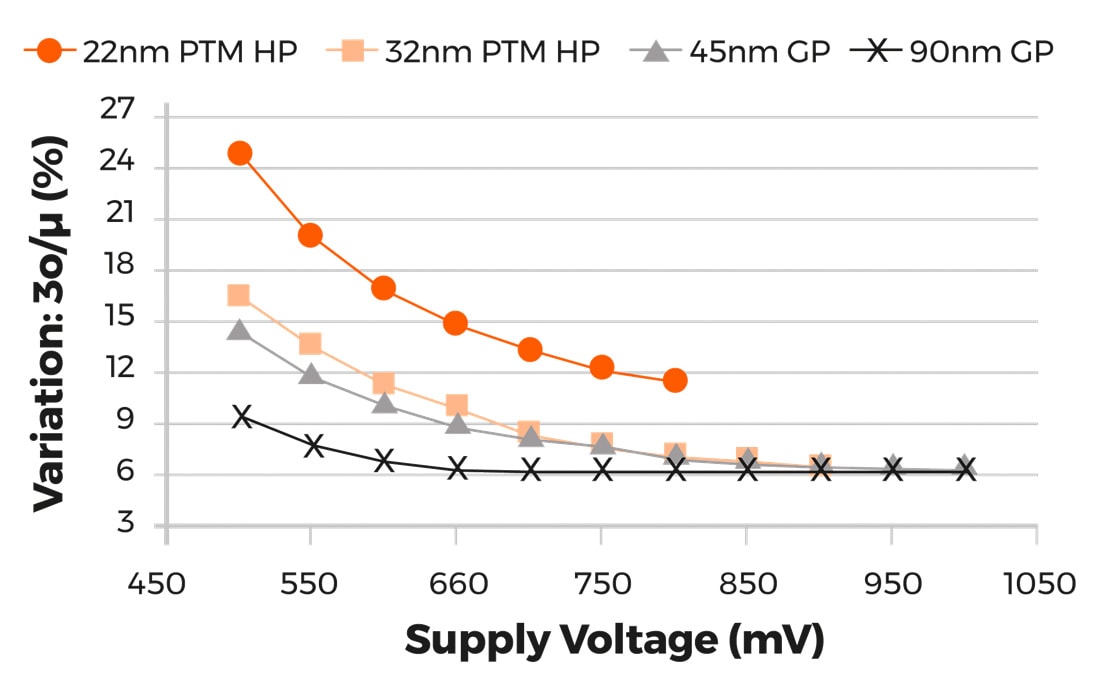
At Intel back in the late 1970’s we wanted to know what process corner each DRAM chip and wafer was trending at so we included a handful of test transistors in the scribe lines between the active die. Having test transistors meant that we could do a quick electrical test at wafer probe time to measure the P and N channel transistor… Read More
Performance verification is among the most challenging of objectives in any SoC verification plan. It’s difficult to start effectively until quite late in the development cycle, at which point you don’t have a lot of time left to develop extensive performance-oriented testbenches. So many teams adapt functional tests to this… Read More
According to the Economist, “The world’s most valuable resource is no longer oil, but data”. Is this the case?Data is the by-product ofmany aspects of recent technology dynamics and is becoming the currency of today’s digital economy. All categories in Gartner’s Top10 Strategic Technology Trends for 2018 (Figure… Read More
I attend a lot of events on machine learning and write about it regularly. However, I learned some exciting new information about machine learning in a very surprising place recently. Every year for the last few years I have attended the HSPICE SIG dinner hosted by Synopsys in Santa Clara. This event starts with a vendor fair featuring… Read More
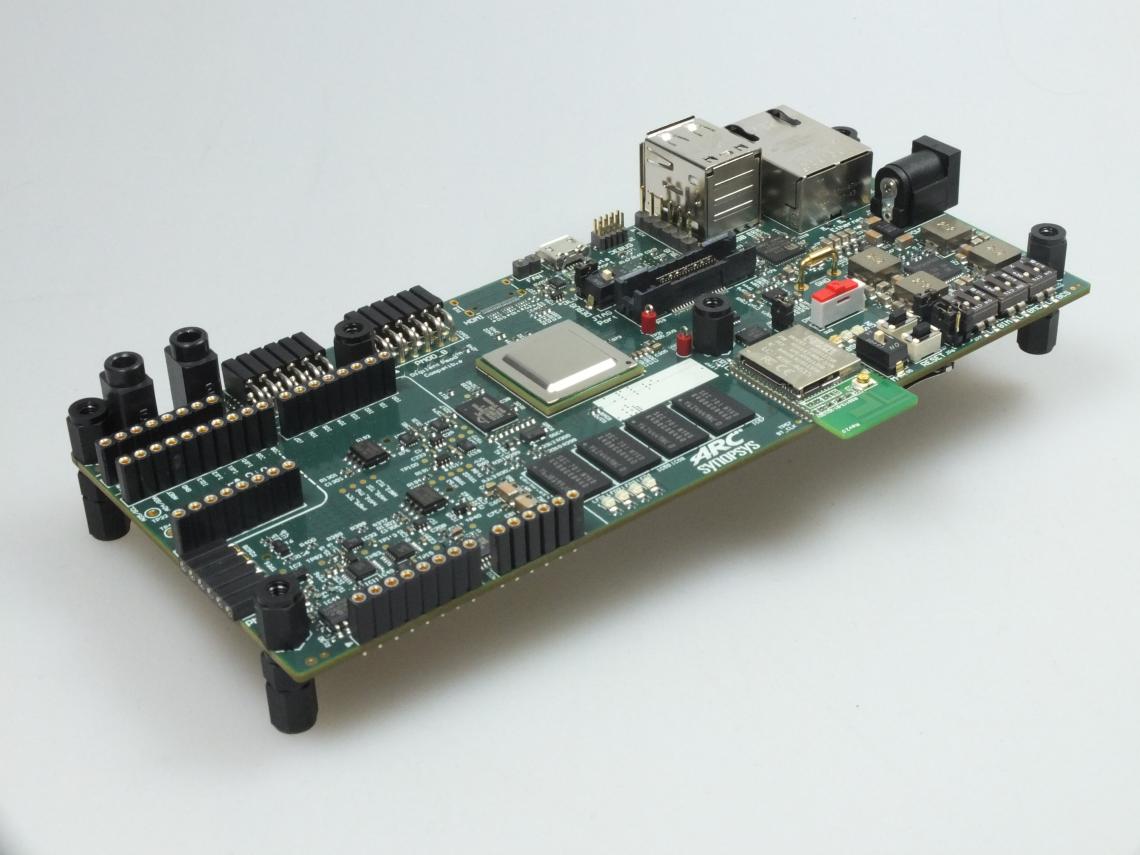
When I think of an IP development kit, I imagine software plus a hardware model I can run on a prototyper or, closer to the kits offered by semi companies, software plus a board hosting an FPGA implementation of the IP along with DDR memory, flash and a variety of interfaces. These approaches work well for IP providers because hardware… Read More
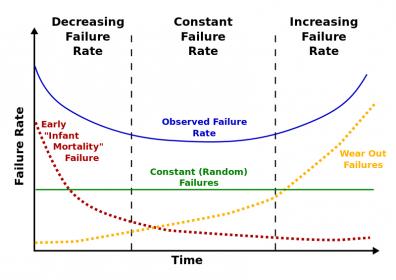
In case you missed the TSMC event, ANSYS and TSMC are going to reprise a very important topic – signing-off reliability for ADAS and semi-autonomous /autonomous systems. This topic hasn’t had a lot of media attention amid the glamor and glitz of what might be possible in driverless cars. But it now seems like the cold light of real … Read More
How could we differentiate between deep learning and machine learning as there are many ways of describing them? A simple definition of these software terms can be found here. Let’s look into Artificial Intelligence (AI), which was coined back in 1956. The term AI can be defined as human intelligence exhibited by machines.… Read More
I am very sorry but I have to break the flow of sharing initiatives, to reiterate the reason for these articles and maybe amplify the message these articles should promote.
I got a few inquiries from LinkedIn connections, who read the previous articles, with a very interesting point of view. This proves that after 5 articles some … Read More











The silent killer of analog reliability: Why SPICE misses floating net