You are currently viewing SemiWiki as a guest which gives you limited access to the site. To view blog comments and experience other SemiWiki features you must be a registered member. Registration is fast, simple, and absolutely free so please,
join our community today!
            WP_Term Object
(
    [term_id] => 25
    [name] => Rambus
    [slug] => rambus
    [term_group] => 0
    [term_taxonomy_id] => 25
    [taxonomy] => category
    [description] =>
    [parent] => 178
    [count] => 6
    [filter] => raw
    [cat_ID] => 25
    [category_count] => 6
    [category_description] =>
    [cat_name] => Rambus
    [category_nicename] => rambus
    [category_parent] => 178
    [is_post] =>
)

WP_Term Object
(
    [term_id] => 25
    [name] => Rambus
    [slug] => rambus
    [term_group] => 0
    [term_taxonomy_id] => 25
    [taxonomy] => category
    [description] =>
    [parent] => 178
    [count] => 6
    [filter] => raw
    [cat_ID] => 25
    [category_count] => 6
    [category_description] =>
    [cat_name] => Rambus
    [category_nicename] => rambus
    [category_parent] => 178
    [is_post] =>
)
By Tim Messegee, Senior Director of Solutions Marketing at Rambus
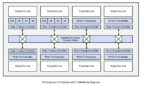
PCI Express (PCIe), PCIe switches, Time Division Multiplexing (TDM), Network Interface Cards (NICs), and SmartNICs are all well-established technologies that have formed the backbone of computing and networking systems for years. More recently, SuperNICs… Read More
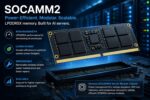
As artificial intelligence systems become larger and more demanding, memory is becoming one of the most important constraints in server design. Modern AI workloads do not only require powerful GPUs and accelerators; they also require enormous amounts of data to move quickly and efficiently between memory and compute engines.… Read More
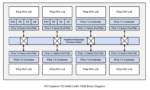
PCI Express (PCIe), PCIe switches, Time Division Multiplexing (TDM), Network Interface Cards (NICs), and SmartNICs are all well-established technologies that have formed the backbone of computing and networking systems for years. More recently, SuperNICs have emerged as the next generation of networking devices optimized… Read More
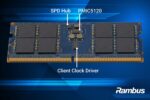
The rapid emergence of AI-enabled personal computers is driving unprecedented demand for higher memory bandwidth, improved signal integrity and greater system reliability. To address these requirements, Rambus has introduced a complete client memory interface chipset for Clocked Unbuffered Dual In-Line Memory Modules… Read More
The rapid proliferation of LLMs and other AI applications, and of high-end GPU platforms that run them, is putting intense pressure on the performance requirements for memory technologies. Designers need to be keenly aware of how to make the most of their memory and controller choices, which can be moving targets given the rapid… Read More
For more than a decade, progress in artificial intelligence has been framed almost entirely through the lens of compute. Faster GPUs, denser accelerators, and higher TOPS defined each new generation. But as generative and agentic AI enter their next phase, that framing is no longer sufficient. The most advanced AI systems today… Read More