




This is the 5[SUP]th[/SUP] TSMC Open Innovation Platform Ecosystem Forum and it is not to be missed. Please note that the location has moved from the San Jose Convention Center to the Santa Clara Convention Center which is literally right across the street from the new Levi’s Stadium. If you haven’t been to the new stadium you really… Read More
 SEMICON West's Autonomous Fab Vision Needs a Decision-Escalation DesignBy Gleb Tsipursky SEMICON West 2026's smart-manufacturing agenda…Read More
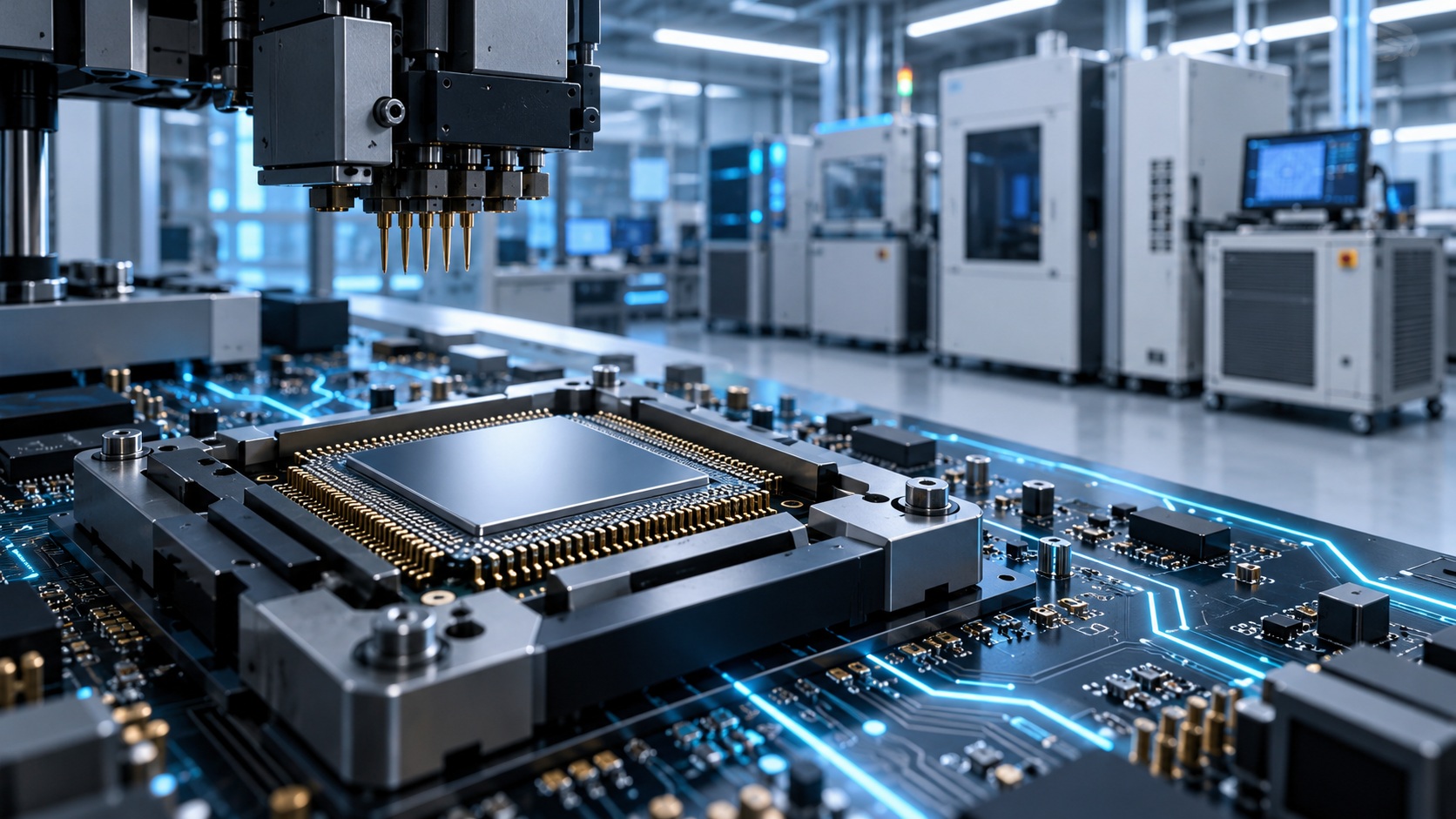 Teradyne Targets Edge AI Test Costs With UltraFLEXplus S SeriesTeradyne has introduced the UltraFLEXplus S series, extending…Read More
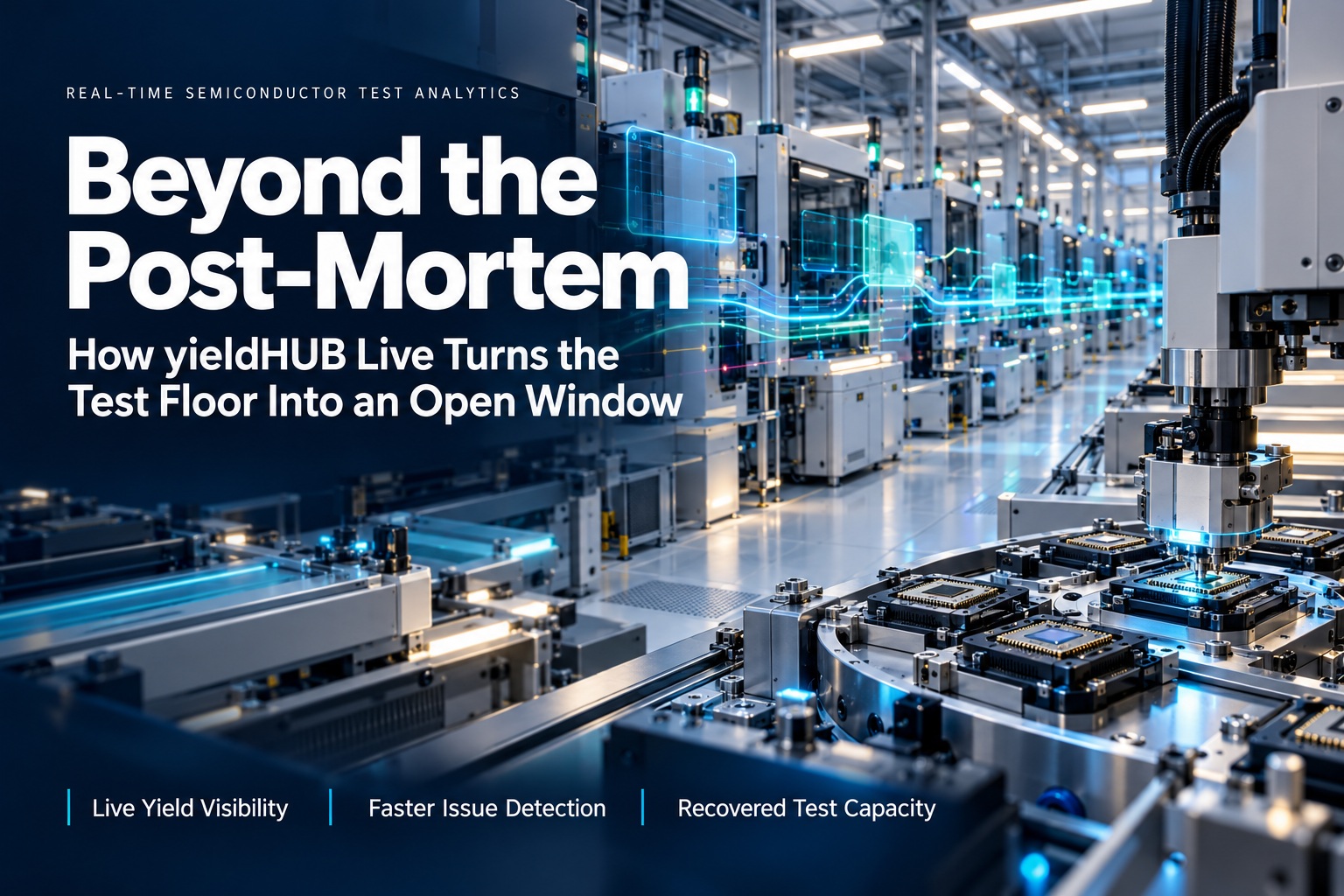 Beyond the Post-Mortem: How yieldHUB Live Turns the Test Floor Into an Open WindowAt SEMICON West 2026 I sat down with…Read More
 Why America’s Semiconductor Manufacturing Capacity MattersAmerica’s semiconductor future will be shaped by its…Read More
ClioSoft SOS v7.0: Faster, Smarter and Stronger

System-on-chips (SoCs) are now everywhere, whether they are processors, microcontrollers or FPGAs, and what matters more these days is how quickly these large and complex chips adapt to the specific needs of the OEM application or the “system.” So time-to-market window is shrinking, and conversely, the use of … Read More
Just One Month to SEMICON Taiwan
SEMICON Taiwan is the first week of September in the Taipei Nangang Exhibition Center. To be precise it is September 2nd to 4th. Last year there over 26,000 people attended. This year it is the 20th anniversary show. SEMICON Taiwan attracts the world’s leading technology companies who design, develop, manufacture, and supply … Read More
Foolproof Your IP before it Stumbles in Higher-up Design
SoC designs are increasingly becoming assemblies of a large number of IP blocks. A well integrated assembly can lead to a successful PPA (Power, Performance and Area) optimized design. However, it is equally important that each IP block is optimized, robust, and integrable in the design. The complexity of an IP and its integration… Read More
How to prevent execution surprises for Cortex-M7 MCU?
ARM Cortex-A series processor core (A57, A53) are well known in the high performance market segments, like Application Processor for smartphone, Set-Top-Box or networking. If you look at the electronic market you realize that multiple applications are cost sensitive and doesn’t need such high performance processor core. … Read More
Ultra-low Voltage: Is Your Slack Really Positive? Are You Sure?
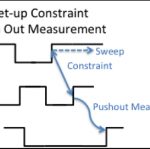
During synthesis and static timing the main figure of merit is “slack”. If a signal arrives with time to spare before it is needed (often measured against the setup time before a clock changes at a register) then the slack is positive. Positive slack is generally a good thing, although it can indicate over-design if … Read More
CEVA in More than 6 Billion Chips!
One of the IP companies that I track is CEVA, the largest licensor of DSP cores. CEVA is the fifth largest IP company behind ARM, Synopsys, Imagination Technologies, and Cadence (Lattice acquired Silicon Image). CEVA is actually a combination of companies which started with the DSP Group and Parthus Technologies in 2002 and RiveriasWaves… Read More
An Open Letter to Qualcomm CEO
Dear Steve,
Let me first clarify about myself that I am a humble blogger at Semiwiki and admire your company as the #1 Semiconductor Fabless Company and #4 in terms of overall semiconductor sales of the top10 semiconductor companies in the world as per 2014 data. Also, I must mention another point of admiration that your company is… Read More
Acoustic Resonators for RF: MEMS with No Moving Parts
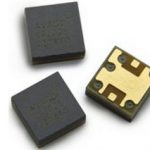
There is an annual conference known officially as the Sensors and Actuators Workshopand informally as Hilton Head since it is held on Hilton Head island in South Carolina. Coventor talked to some of the top researchers last year about RF filters and decided to develop a simulation solution that would better serve both the researchers… Read More
China (and Cupertino) Are Killing Korea in Mobile
Samsung, #1 in the mobile phones based on unit shipments, has two big problems in mobile. Apple’s iPhone; and China in general and Huawei in particular in the Android world where they live. They have just announced their fifth quarter of decline. Revenue was down 8% year on year but operating profit declined 38%. They sold … Read More
ChipAgent Raises $134Million and Why it Matters