




California’s influence on the global automotive industry remains intact at the start of 2017 in spite of the state’s strict licensing for autonomous vehicle testing on public roads. California managed to chase Uber away with that licensing requirement, but in the process the state has established a benchmark for… Read More
 Agentrys a New Paradigm for Semiconductor Engineering at 2026 DACAgentrys is pioneering Agentic Design Automation (ADA), a new…Read More
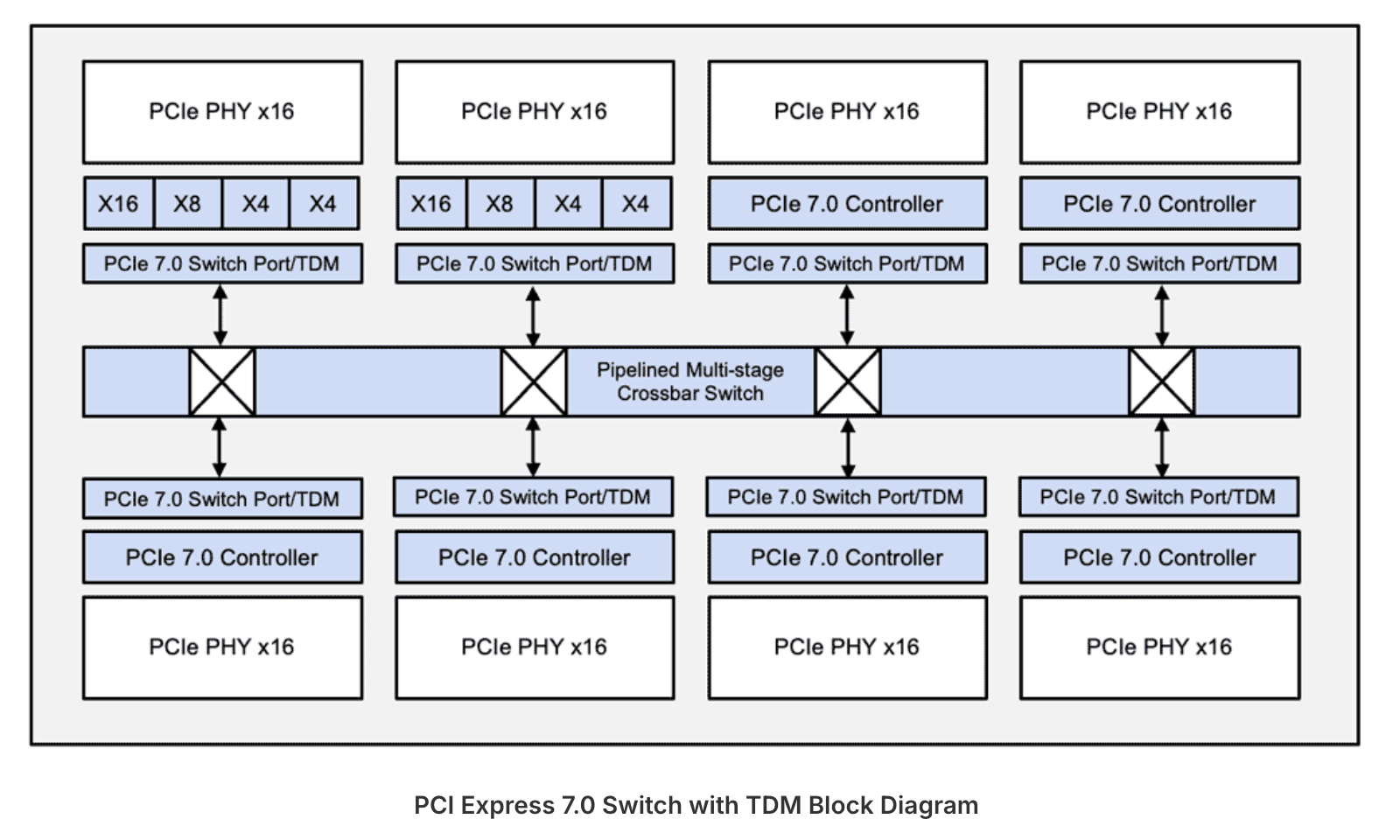 PCIe 7 Switch IP with Time Division Multiplexing: Powering the Next Generation of AI ConnectivityPCI Express (PCIe), PCIe switches, Time Division Multiplexing…Read More
 DAC 2026 See Analog Bits TSMC N2P IP portfolio and meet with its engineering experts!Analog Bits, Inc. is an established provider of…Read More
 Perforce Enabling Innovation Without Introducing Risk at DAC 2026Perforce delivers a DevOps Tech Stack for teams…Read More
 Arteris at DAC 2026 Connecting Innovation for Silicon SuccessThe semiconductor industry has entered a new era…Read More
It’s All About the Models
The world-renowned statistician, Professor George Box, said, “Essentially, all models are wrong, but some are useful.” — that quote was the theme for one of the technical talks at the recent MOS-AK Workshop, held at UC-Berkeley. … Read More
Three Interesting Things from TSMC!
First, the TSMC Museum of Innovation is now open and it’s quite impressive. Located right below Fab 12, it is definitely worth an hour of your time. Second, Morris Chang was on the investor call which made it much more interesting, especially his comments on the recent Report to the President on U.S. semiconductor leadership. Third,… Read More
Getting Ready for Bluetooth-5 Verification

Bluetooth has been very successful for many years, but arguably trapped in a niche, at least for us consumers, as a short-range wireless alternative to a wire connection – to connect your phone to a car or speakers for example. (In fairness I should add that the 4.2 version has improved range and Bluetooth has already become quite … Read More
Making the Move from 28nm to FinFET!
If you click FinFET in the SemiWiki.com Latest News: navigation bar at the top of this page you will get a list of 86 blogs that have been viewed more than 600,000 times. If you go to the last blogs on the list, meaning the first blogs to be published, you will see a three part series, “Introduction to FinFET Technology” written by Tom Dillinger… Read More
Cyber Risks Compound with Technology Adoption

Just how reliant are we on computing infrastructure? Sometimes it takes just a little outage to get a taste of the interwoven dependency we don’t readily see.
It can be small. The international travelers landing in U.S. airports on January 3rd, one of the busiest travel days of the year, found themselves stuck in long lines due to … Read More
Analog, Low-power Optimization at SMIC

Talking with actual IC designers is always fascinating to me, because these engineers are the unsung heroes that enable our modern day world of consumer and industrial electronics. Too often we only hear from the CEO or other C-level executives in the press about their own companies, products, services and vision. I recently had… Read More
Tool Trends Highlight an Industry Trend for AMS designs
Archaeologists often use tools found in digs as a major indicator of trends in civilizations. The same could be said for trends in design, though we don’t have to reconstruct these design trends – we tend to see them ahead of us.
The trend in this case is the growing importance of sensors in designs and there’s no better example of that… Read More
Netspeed Gemini NoC Provides Coherent Fabric in Mobileye’s Next-generation EyeQ5 SoC

Last week I wrote about NetSpeed’s network on chip (NoC) IP technology and design environment NocStudio. This week we see a real life application of this technology announced at CES by Imagination Technologies and NetSpeed. The companies have announced that Mobileye will use Imagination and NetSpeed IP in their next-generation… Read More
Analog Bits and TSMC!
As a long time semiconductor IP professional I can tell you for a fact that it is one of the most challenging segments of semiconductor design. Given the growing criticality of semiconductor IP, the challenges of being a leading edge IP provider are increasing and may be at a breaking point. The question now is: What does it take to … Read More
TSMC CoWoS versus Intel EMIB Semiconductor Packaging