




Webinars are a very effective communications channel in a fast paced industry like semiconductor design. If you sign-up in advance and you can’t make the live version, you will be automatically notified when the replay is available so you can watch it at your leisure. I’m guilty of this for sure, because of my hectic… Read More
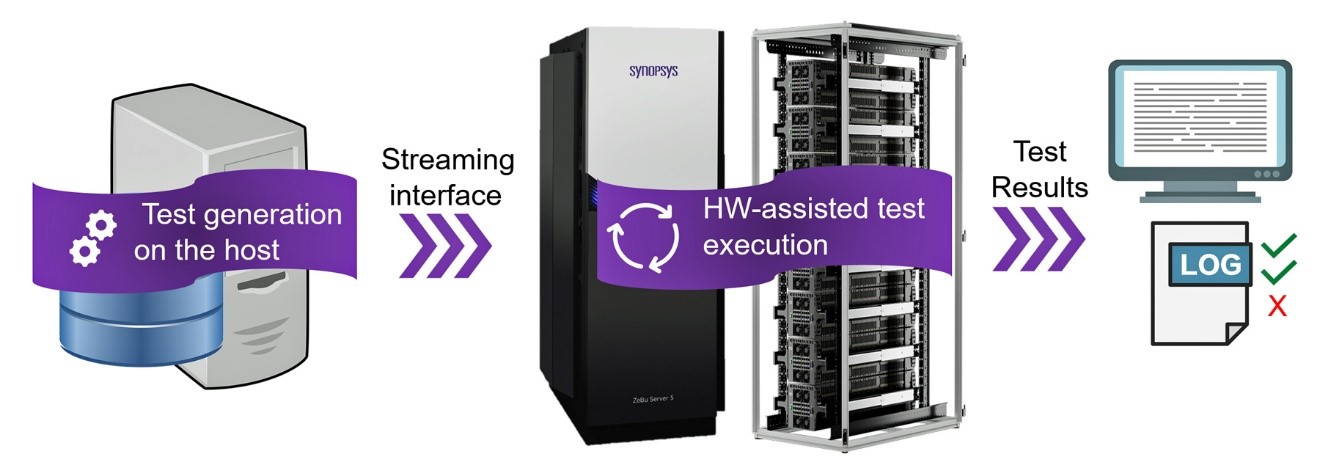 When Software Outruns Silicon: Hardware-Assisted Test Generation to the RescueFor the past decade, the semiconductor industry has…Read More
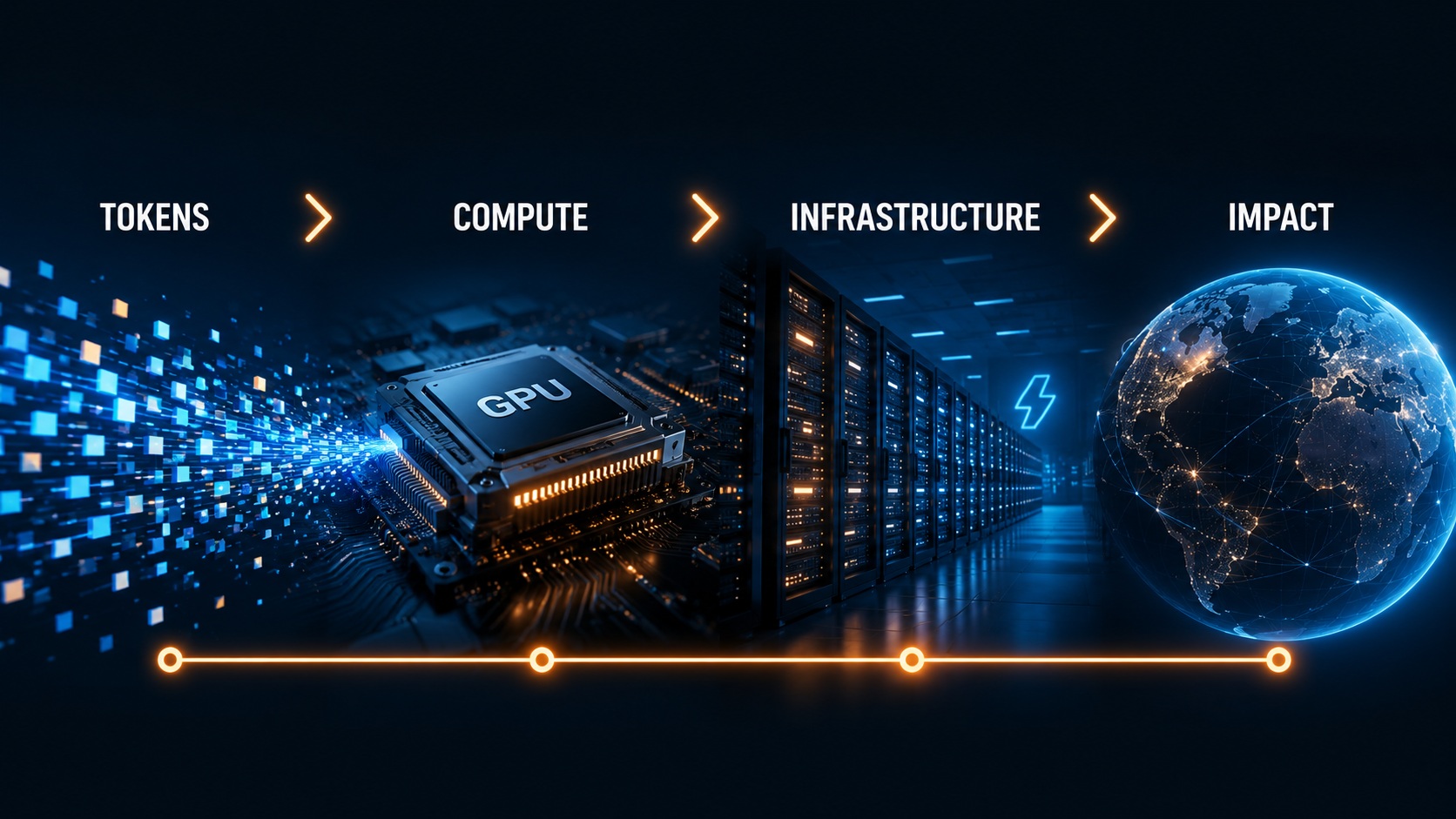 From Tokens to Infrastructure: Why Compute, Memory, and Power Will Determine the Future of AIBased on Dylan Patel’s SEMI Industry Strategy Symposium…Read More
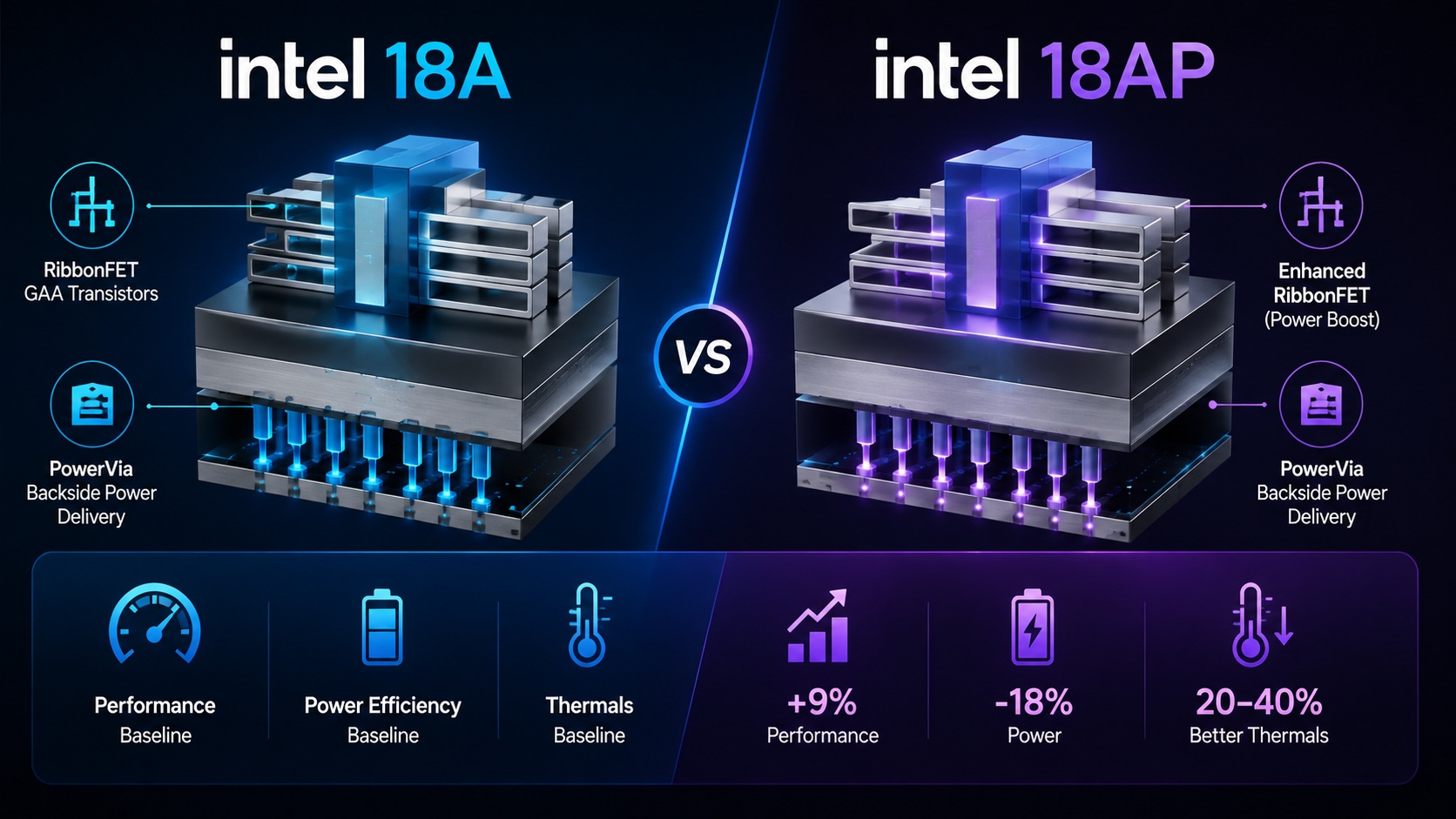 Intel 18A vs Intel 18A-P: What Is the Difference and Why Does It Matter?Intel’s 18A process technology has become one of…Read More
 WEBINAR: Why Google Cloud NetApp Volumes Matter for Modern EDA WorkloadsIn this webinar, Google Cloud and NetApp explore…Read More
 How to Free Yourself from Inconsistent Engineering Documentation Before It’s Too LateEmbedded systems programs often fail because critical engineering…Read More
Semiconductor and EDA 2017 Update!
It really is an exciting time in semiconductors. The benchmarks on the new Apple A11 SoC and the Nvidia GPU are simply amazing. Even though Moore’s Law is slowing, the resulting chips are improving well above and beyond expectations, absolutely.
As I have mentioned before, non-traditional chip companies such as Apple, Amazon,… Read More
Walden Rhines on the Automotive Electronics Landscape
Mentor President and CEO Walden Rhines gave a comprehensive overview of the automotive electronics landscape at the Mentor Integrated Electrical Solutions Forum (IESF) in Plymouth, Mich., this week. A key focal point of Rhines’ comments was the twin industry disruptors: EVs and AVs.
A Texas Instruments alum, Rhines described… Read More
This is a Different GLOBALFOUNDRIES!
Having followed GF since its inception, I agree with CTO Gary Patton, what we are seeing today truly is a different GLOBALFOUNDRIES! Our first GF blog was published on 9/13/2009 and we have done a total of 173 GF related blogs that have collected more than 1.5M views thus far. 72 of those blogs were written by me so I have followed this… Read More
Intrinsix Fields Ultra-Low Power Security IP for the IoT Market
As the Internet-of-Things (IoT) market continues to grow, the industry is coming to grips with the need to secure their IoT systems across the entire spectrum of IoT devices (edge, gateway, and cloud). One need only look back to the 2016 distributed denial-of-service (DDoS) attacks that caused internet outages for major portions… Read More
Clock Gating Optimization
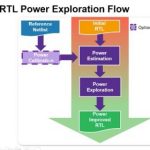
You can save a lot of power in a design by gating clocks. For much of the time in a complex multi-function design, many (often most) of the clocks are toggling registers whose input values aren’t changing. Which means that those toggles are changing nothing functionally yet they are still burning power. Why not turn off those clock… Read More
IoT SoCs Demand Good Data Management and Design Collaboration
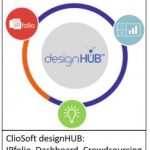
Design data management has always been important. Board designers have known this for decades as they had to have ways to keep all their discreet components organized and understood. Sourcing components is not easy as it means hours of reading and reviewing specifications, finding reliable sourcing partners and understanding… Read More
Open Silicon Delivers Silicon-Verified HBM2 IP-Subsystem on TSMC 16nm FF+
Open Silicon hosted a webinar today focusing on their High Bandwidth Memory (HBM) IP-subsystem product offering. Their IP-subsystem is based on the HBM2 standard and includes blocks for the memory controller, PHY and high-speed I/Os, all targeted to TSMC 16nm FF+ process. The IP-subsystem supports the full HBM2 standard with… Read More
Yield Analysis is a Critical Driver for Profitability
One of the most important aspects of any manufacturing effort is the yield of the process. Today, the investment in facilities, equipment and materials is so high that consistently high yields are vital to the profitability of the semiconductor manufacturer. Furthermore, the engineers must get to that consistent high yield … Read More
Improved Memory Design, Characterization and Verification
My IC design career started out with DRAM design, characterization and verification back in the 1970’s, so I vividly recall how much SPICE circuit simulation was involved, and how little automation we had back in the day, so we tended to cobble together our own scripts to help automate the process a bit. With each new process… Read More
Why Huawei Says It Will Match TSMC’s Most Advanced Chips by 2031