




I got really involved in testability back at CrossCheck in the 1990’s when they designed a way for Gate Arrays to have 100% observability without any Design For Test (DFT) requirements on designers. The Japanese Gate Array companies loved this approach and their customers enjoyed the highest test coverage without being… Read More
 UX in Agentic Systems. Innovation in VerificationA switch this month to principles behind building…Read More
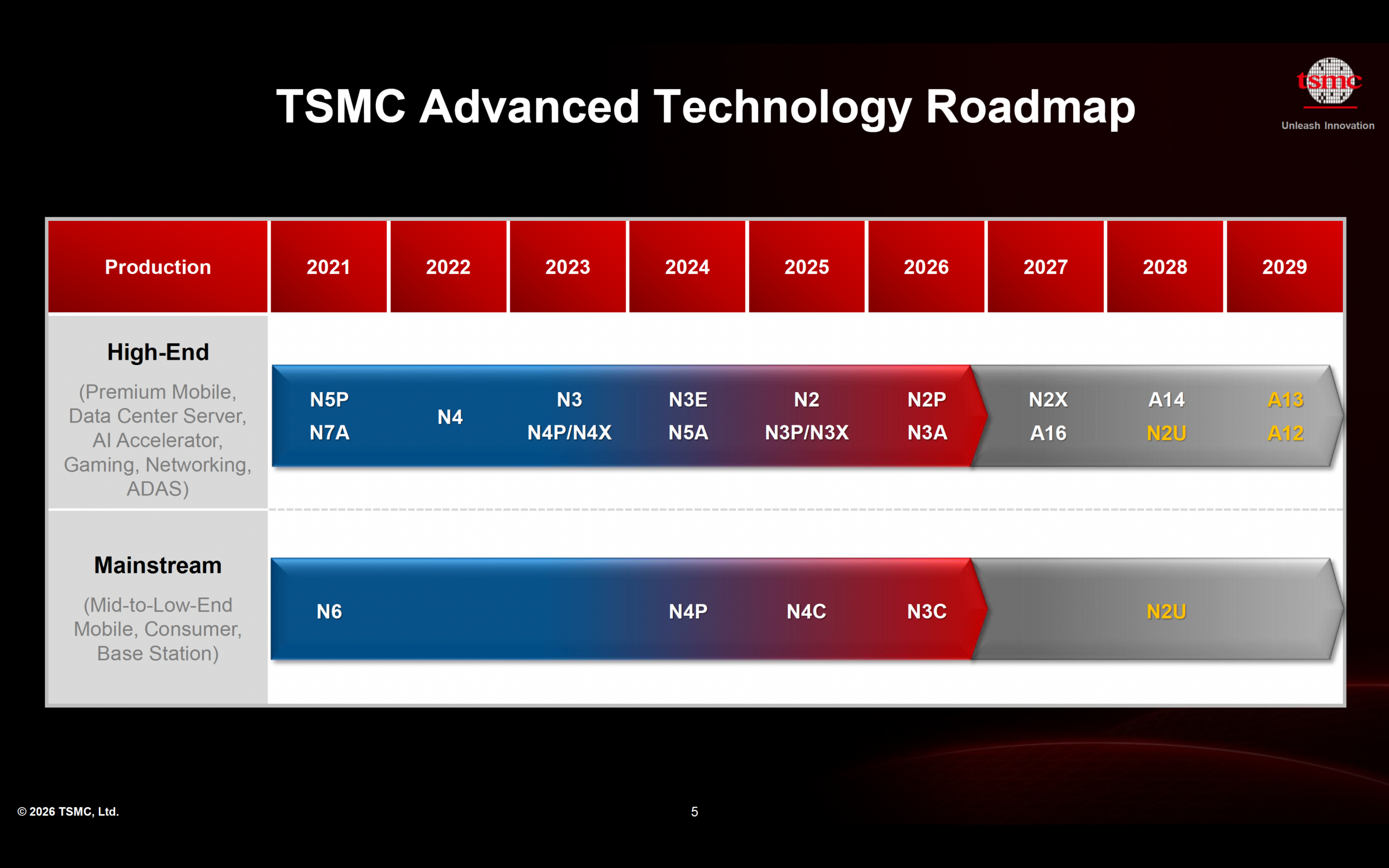 The Shift to System-Level AI Drives Next-Generation SiliconAt its 2026 Technology Symposium, TSMC delivered a…Read More
 All in One Bluetooth Audio: A Complete Solution on a TSMC 12nm Single DieThe rapid evolution of wireless audio has placed…Read More
 Closing the Reality Gap: A New Architecture for 1.8-Tb/s Chiplet GovernanceBy Dr. Moh Kolbehdari Dr. Moh Kolbehdari is…Read More
 SemiWiki Q&A with Julie Rogers, Executive Director, ESD AllianceThe Electronic System Design Alliance (ESD Alliance), a SEMI…Read More
A Comprehensive Automated Assertion Based Verification
Using an assertion is a sure shot method to detect an error at its source, which may be buried deep within a design. It does not depend on a test bench or checker, and can fire automatically as soon as a violation occurs. However, writing assertions manually is very difficult and time consuming. To do so require deep design and coding… Read More
TSMC’s OIP: Everything You Need for 16FF+ SoCs
Doing a modern SoC design is all about assembling IP and adding a small amount of unique IC design for differentiation (plus, usually, lots of software). If you re designing in a mature process then there is not a lot of difficulty finding IP for almost anything. But if you are designing in a process that has not yet reached high-volume… Read More
Dealing with FPGA IP in all its forms
One of the recurring themes I see here in the pages of SemiWiki and elsewhere is this pitched, bordering on religious battle between Altera and Xilinx. Just because both are FPGA technologies, the tendency is to put them in the same bucket, drawing direct comparisons between them. Some folks say there is no comparison; Xilinx has… Read More
ADAS Going Mainstream One Chip at a Time
Advanced Driving Assistance Systems (ADAS) are an essential element in the vision of autonomous or semi-autonomous vehicles, and they are becoming available today. The ADAS automotive technology raises driving safety by detecting obstacles around the vehicle such as other vehicles and pedestrians, as well as traffic signs… Read More
SEMI ISS: Samsung, the Keynote That Wasn’t
At the SEMI International Strategy Symposium last month, one of the keynotes was by Jim Elliot, the CVP of Memory Marketing for Samsung. Unfortunately, due to some personal emergency, he wasn’t able to make it. But he did allow the slides of the presentation he would have given to be put up on the SEMI website. So here, for the… Read More
How Well is HSPICE Tracking Current Design Trends?
For about 5 years now Synopsys has held an HSPICE SIG event in conjunction with DesignCon. It features a small vendor faire with companies that partner with Synopsys on HSPICE flows. They also have a dinner with industry/customer speakers and provide an update on HSPICE development. Lastly there is a Q&A where customers get… Read More
UVM Debugging Made Easy & Productive in Questa
As design complexity and size is increasing, SoC verification has become one of the most difficult and time consuming tasks in the design closure.UVM (Universal Verification Methodology, an accellera initiative) is one of the best verification methodologies that support common language, coherent strategy, clarity and transparency… Read More
Using NoCs to Reduce Power
Earlier this week I moderated a webinar at Sonics entitled NoC 102: Using SonicsGN to Address Low Power Requirements. Drew Wingard, the CTO of Sonics, presented it. It goes without saying that power is a major concern in SoC design, not just with chips for battery powered devices but also tethered devices. A major cost of ownership… Read More
TSMC vs Samsung!
One of the trending topics in Taiwan last week is the escalating conflict between Samsung and TSMC. This time however it is of a legal nature which has been a long time coming for the semiconductor industry. Reverse engineering has been an integral part of the semiconductor business since the beginning, as has intellectual property… Read More
Solving the EDA tool fragmentation crisis