You are currently viewing SemiWiki as a guest which gives you limited access to the site. To view blog comments and experience other SemiWiki features you must be a registered member. Registration is fast, simple, and absolutely free so please,
join our community today!
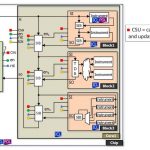
Just as important as block RAMs, IO and DSP48’s is what interconnect or fabric is going to be used when considering SoC FPGA designs. I think Xilinx has found the winning combination. What is paramount to the new SoC FPGA methodologies is not only the challenge of moving huge amounts of data around; we are now to consider data… Read More
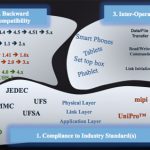
The tech standards cycle almost always goes like this: Problems or limits develop with the existing way of doing things. Innovators attempt to engineer solutions, usually many of them. Chaos ensues when customers figure out nothing new works with anything else. Competitors sit down and agree on a specification where things work… Read More
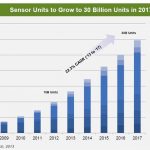
Last year, I said that the launch of ARC based complete sound system IP by Synopsys ring the bell for the opening of a new IP market segment, the “Subsystem IP”. This week, Synopsys has announced the availability of the DesignWare® Sensor IP Subsystem, a complete and integrated hardware and software solution for sensor control applications.… Read More
IP: Make or Buy?by Paul McLellan on 07-30-2013 at 2:02 pmCategories: Arasan, IP
A couple of weekends ago I moderated a panel session for the Chinese American Semiconductor Professional Association. No, I had no idea such an organization existed either (at least partially because I’m not Chinese). Dan Nenni was meant to be doing it but he went off to Las Vegas, so I ended up getting the job. On a Saturday … Read More
Through my contacts at SemiWiki I was introduced to a mixed signal IP company named SilabTech, and then decided to interview the founder and CEO, Sujoy Chakravarty.
Sujoy Chakravarty, CEO and Founder
… Read More
A SemiWiki member mentioned CircuitLaba few months back so I took a look at it today and share my first impressions.… Read More
At the onset of SoCs with multiple functionalities being packed together at the helm of technologies to improve upon performance and area; power, which was earlier neglected, has become critical and needs special attention in designing SoCs. And there comes reliability considerations as well due to multiple electrical and … Read More
The US Executive Forum hosted by the Global Semiconductor Alliance is coming up on September 25th at the beautiful Rosewood Sand Hill Hotel in Menlo Park. Over 150 executives from the semiconductor and technology industry will attend creating a truly unique opportunity to listen to some of the world’s foremost speakers… Read More
Lynn Conway’s Storyby Paul McLellan on 07-28-2013 at 12:08 amCategories: General
If you are my age, you know that the most influential book in that era on VLSI design was Carver Mead and Lynn Conway’s textbook, blah VLSI blah. Nobody can remember exactly what its title was, it was just referred to as Mead and Conway. In my opinion it was the most influential book on semiconductor design ever. It opened up VLSI… Read More
RTL coding using languages like Verilog and VHDL have been around since the 1980’s and for almost as long a time we’ve been hearing about High Level Synthesis, or HLS that allows an SoC designer to code above the RTL level where you code at the algorithm level. The most popular HLS languages today are C, C++ and SystemC.… Read More












ASML and TSMC’s 12-Inch Photomask Initiative: Technical Significance