You are currently viewing SemiWiki as a guest which gives you limited access to the site. To view blog comments and experience other SemiWiki features you must be a registered member. Registration is fast, simple, and absolutely free so please,
join our community today!
            WP_Term Object
(
    [term_id] => 24
    [name] => TSMC
    [slug] => tsmc
    [term_group] => 0
    [term_taxonomy_id] => 24
    [taxonomy] => category
    [description] =>
    [parent] => 158
    [count] => 670
    [filter] => raw
    [cat_ID] => 24
    [category_count] => 670
    [category_description] =>
    [cat_name] => TSMC
    [category_nicename] => tsmc
    [category_parent] => 158
    [is_post] =>
)

WP_Term Object
(
    [term_id] => 24
    [name] => TSMC
    [slug] => tsmc
    [term_group] => 0
    [term_taxonomy_id] => 24
    [taxonomy] => category
    [description] =>
    [parent] => 158
    [count] => 670
    [filter] => raw
    [cat_ID] => 24
    [category_count] => 670
    [category_description] =>
    [cat_name] => TSMC
    [category_nicename] => tsmc
    [category_parent] => 158
    [is_post] =>
)
The 32nd VLSI Design/CAD Symposium just occurred in a virtual setting. The theme of the event this year was “ICs Powering Smart Life Innovation”. There were many excellent presentations across analog & RF, EDA & testing, digital & system, and emerging technology. There were also some excellent keynotes, and this… Read More
The annual VLSI Symposium provides unique insights into R&D innovations in both circuits and technology. Indeed, the papers presented are divided into two main tracks – Circuits and Technology. In addition, the symposium offers workshops, forums, and short courses, providing a breadth of additional information.
At… Read More
Apple’s Orphan Siliconby Paul Boldt on 07-11-2021 at 6:00 amCategories: TSMC
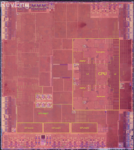
Apple’s recent Spring Loaded Event brought us M1-based iMacs. After the MacBook Air and 13” MacBook Pro in the fall, iMacs are the third Mac to jettison Intel processors. With this transition Apple’s T2 chip enters End of Life status, so to speak. The T2 is a bit of an enigma and now it does not have much time left.
We know it performs… Read More
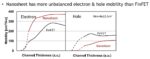
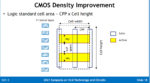
At the 2021 Symposium on VLSI Technology and Circuits in June a short course was held on “Advanced Process and Devices Technology Toward 2nm-CMOS and Emerging Memory”. In this article I will review the first two presentations covering leading edge logic devices. The two presentations are complementary and provide and excellent… Read More
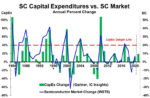
Semiconductor manufacturers are expanding capital spending in 2021 and beyond to help alleviate shortages. In addition, many governments around the world are proposing funding to support semiconductor manufacturing in their countries.
The United States Senate this month approved a bill which includes $52 billion to fund… Read More
At the recent TSMC Technology Symposium, TSMC provided a detailed discussion of their development roadmaps. Previous articles have reviewed the highlights of silicon process and packaging technologies. The automotive platform received considerable emphasis at the Symposium – this article specifically focuses on the… Read More
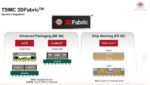
The recent TSMC Technology Symposium provided several announcements relative to their advanced packaging offerings.
General
3DFabricTM
Last year, TSMC merged their 2.5D and 3D package offerings into a single, encompassing brand – 3DFabric.
2.5D package technology – CoWoS
The 2.5D packaging options are divided into the CoWoS… Read More
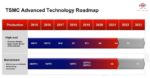
Recently, TSMC held their annual Technology Symposium, providing an update on the silicon process technology and packaging roadmap. This article will review the highlights of the silicon process developments and future release plans.
Subsequent articles will describe the packaging offerings and delve into technology … Read More
While there is a lot of excitement around the semiconductor shortage narrative and the fabs all being full, both 200mm and 300mm, there is one big plot hole and that is the FinFET era.
Intel ushered in the FinFET era only to lose FinFET dominance to the foundries shortly thereafter. In 2009 Intel brought out a 22nm FinFET wafer at the… Read More
The TSMC Symposium kicked of today. I will share my general thoughts while Tom Dillinger will do deep dives on the technology side. The event started with a keynote by TSMC CEO CC Wei followed by technology presentations by the TSMC executive staff.
C.C. Wei introduced a new sound bite this year that really resonated with me and that… Read More