


Following Moore’s Law down to 10 or even 7 nm labeled feature size demands US $ hundreds of millions of up-front investment, a very large design team and two or more years of development time. These parameters suggest that it only makes sense for very high volume applications to continue on the shrink path to increase SoCs’ functionalities.… Read More
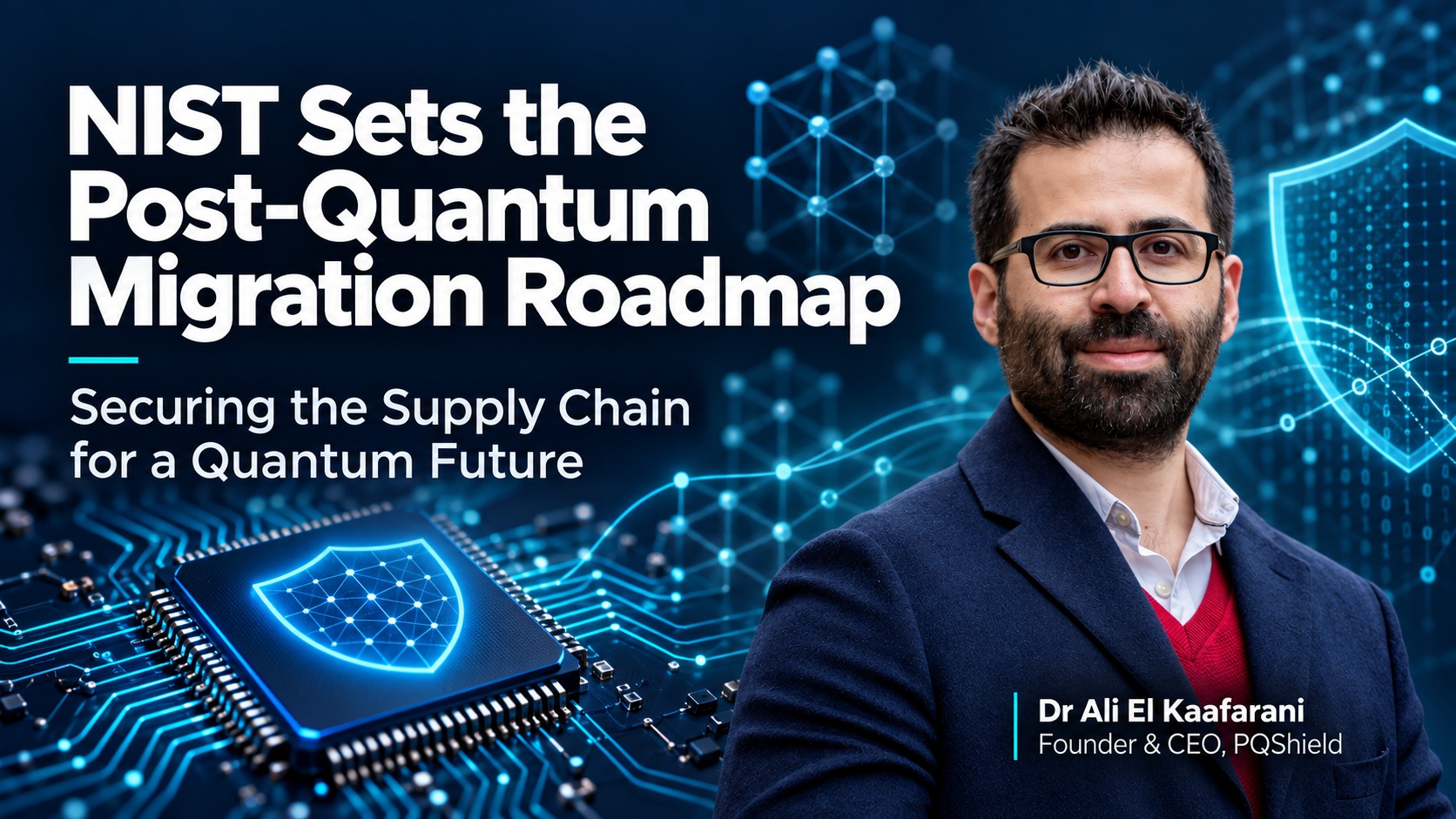 NIST Sets a Clearer Course for the Post-Quantum Security TransitionNIST’s report, Transition to Post-Quantum Cryptography Standards, gives…Read More
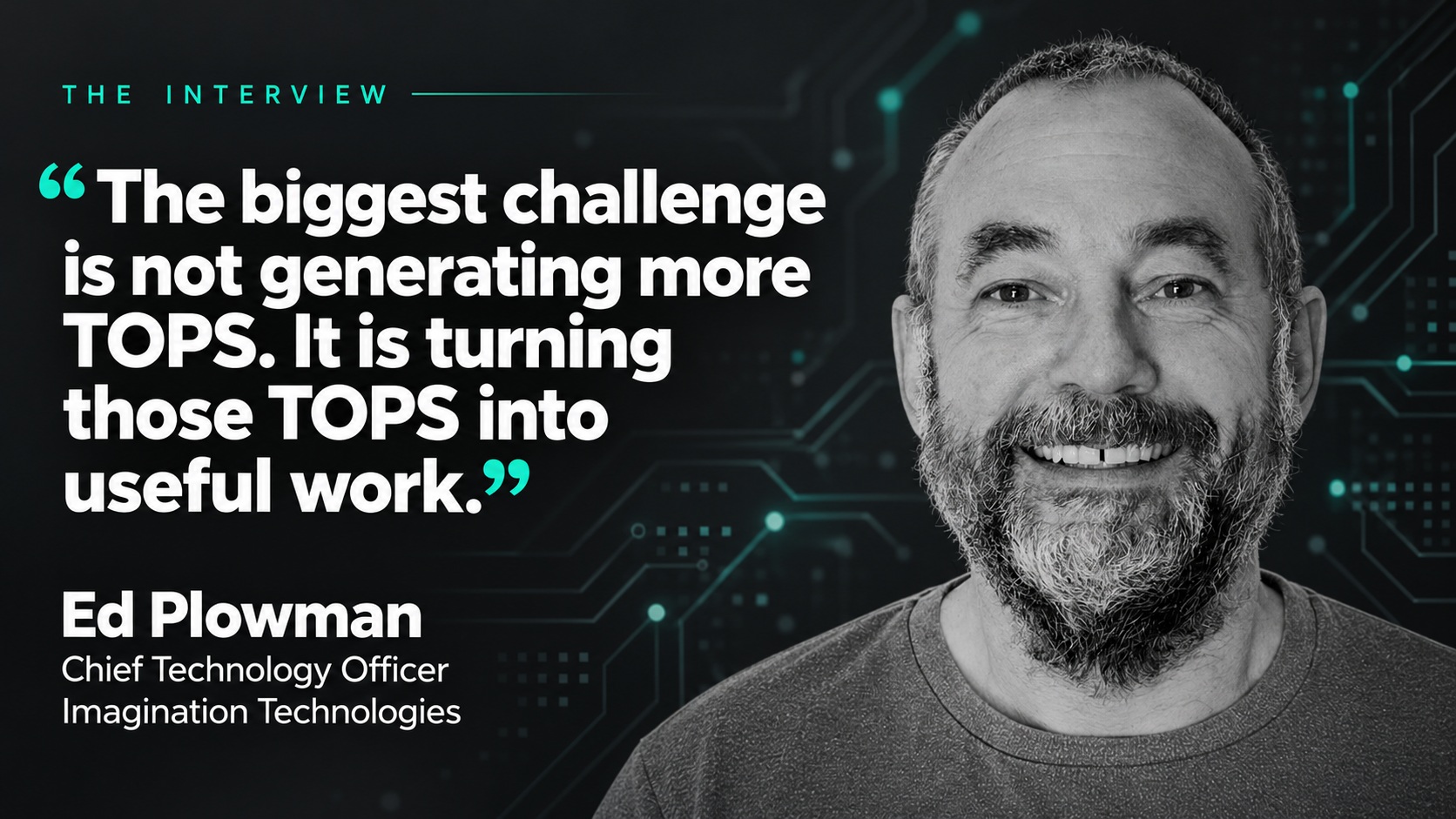 CTO Interview with Ed Plowman of Imagination TechnologiesEd Plowman is Chief Technology Officer at Imagination…Read More
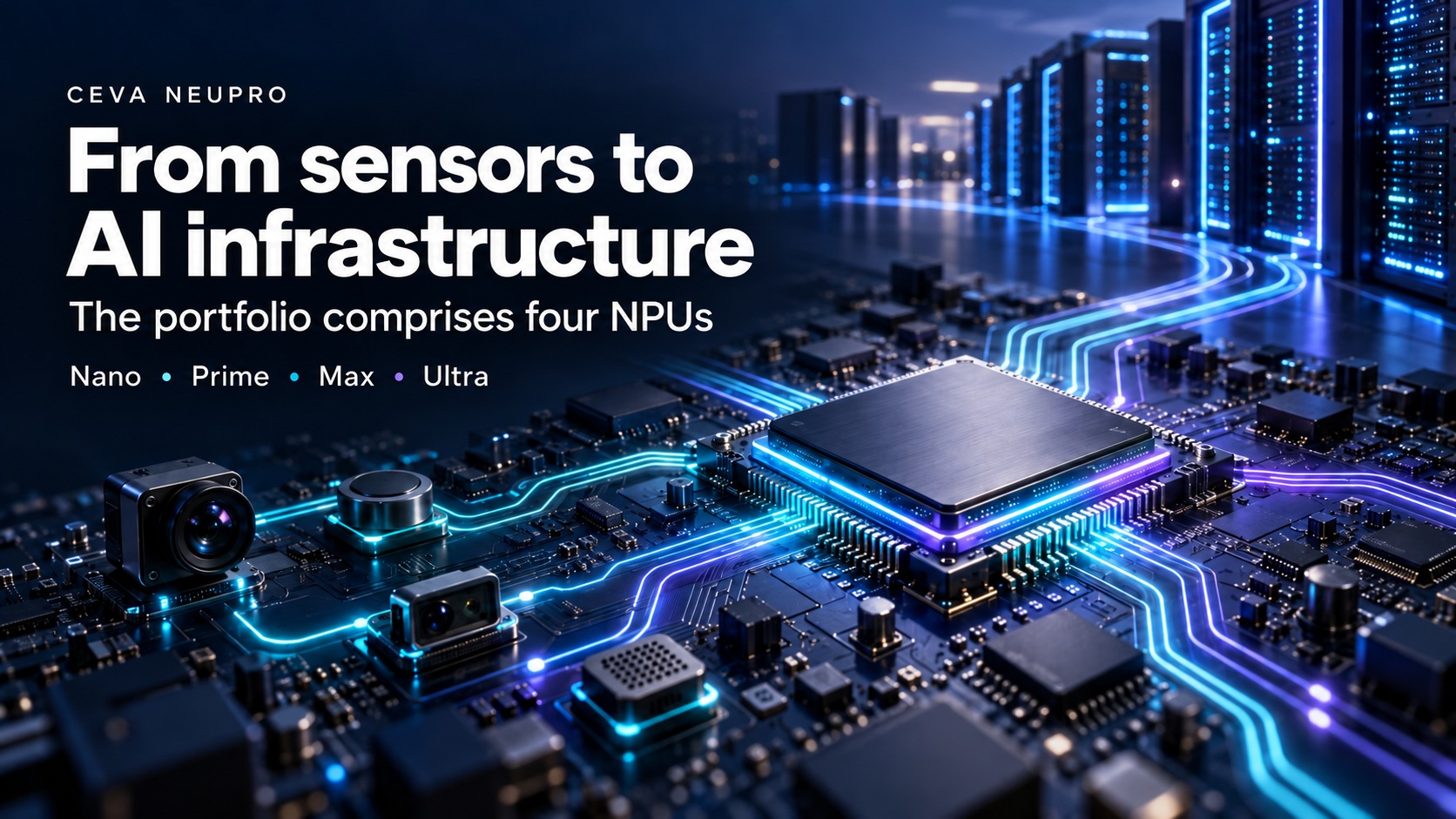 Ceva’s next NeuPro generation opens new possibilities across AICeva is broadening the possibilities for AI silicon…Read More
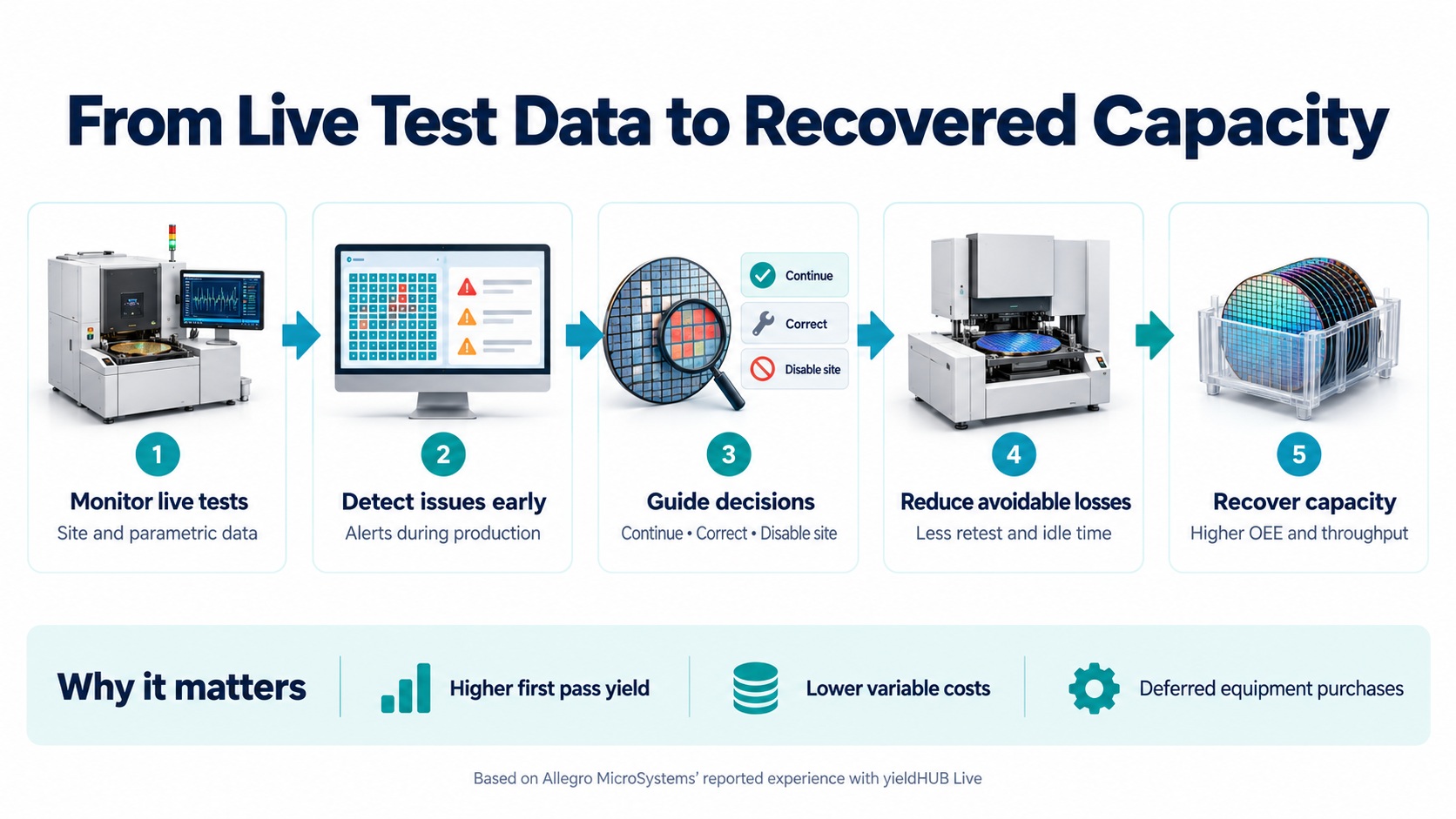 How Allegro MicroSystems Increased OEE by Several Percentage Points with yieldHUB LiveAllegro MicroSystems’ experience with yieldHUB Live shows how…Read More
 Interview with Sweta Gupta, VP of Engineering of Analog BitsSweta Gupta is the Vice President of Engineering…Read More

EDAC Name Changing for ESDA, but what about IP ?
The EDA Consortium (EDAC) has changed name for Electronic Systems Design Alliance (ESD Alliance). That’s a good reminder that IC are developed (thanks to Design Automation) to be integrated into a System. A wide design ecosystem support system development, including embedded software, design intellectual property (IP), … Read More
Self-contained low power Wi-Fi IP for IoT apps
The emerging theme of fit-for-purpose IoT parts gained yet another perspective, this time with ARM and CEVA chiming in on a low-power Wi-Fi approach outlined in a new webinar. It was a rather unique event with an abbreviated 25-minute presentation and an extended 35-minute Q&A that added a lot of insight.… Read More
Wearables Mean Continuous Growth in the Internet of Things Ecosystem
The Internet of Things encompasses a wide range of connected services, technologies, and hardware devices. Yet, for consumers, it is the growing number of portable and wearable devices that will be their main interface with IOT tech. The wearable device market is rapidly evolving, especially when it comes to smart watches and… Read More
“Thinking Outside the Chip”
While pushing Moore’s Law’s boundaries in the world of 2D packaging, companies are starting to explore nontraditional approaches towards designing integrated circuit chips. 2D packaging is currently the most used method in designing chips in the industry, and while it leads in efficiency of power and performance, it lacks … Read More
EUV is coming but will we need it?
I have written multiple articles about this year’s SPIE Advanced Lithography Conference describing all of the progress EUV has made in the last year. Source power is improving, photoresists are getting faster, prototype pellicles are in testing, multiple sites around the world are exposing wafers by the thousands and more. … Read More
Making PLM Actually Work for for IC Design

The topic of Product Lifecycle Management (PLM) conjures up images of usage on airplanes, tanks and cars. That’s because it was developed decades ago to help make product development and delivery more efficient for big expensive manufactured products. It worked well for its intended markets by combining and managing all the … Read More
Multiple Facets of Cyber Security Workshop!
Security is one of the new categories we track and it is keeping SemiWiki very busy. Security in itself, as a result of the FBI vs Apple comedy routine, but also security across the EDA, IP, ARM, Mobile, IoT, and Automotive categories. … Read More
2.5D supply chain takes HBM over the wall
SoC designers have hit the memory wall head on. Although most SoCs address a relatively small memory capacity compared with PC and server chips, memory power consumption and bandwidth are struggling to keep up with processing and content expectations. A recent webinar looks at HBM as a possible solution.… Read More
Neural Networks Poised to Make Big Changes in Our World
Probably the most interesting thing about Neural Networks is how they can be used for complex recognition tasks that we as people can easily perform but we might have a lot of trouble explaining how. One very good example of a problem that Neural Networks can tackle is determining when people are making a fake smile. Intuitively we… Read More
The $725 Million Chip Development: Why Execution Risk, Not IP Cost, Now Dictates Advanced-Node Survival