




I strongly recommend giving a listen to John McElroy’s panel discussion podcast featuring Julia Steyn (pictured on the right, above), vice president of urban mobility and Maven for General Motors along with John Voelcker of Green Car Reports and Rebecca Lindland of Kelley Blue Book. Steyn offered up a mountain of substance regarding… Read More
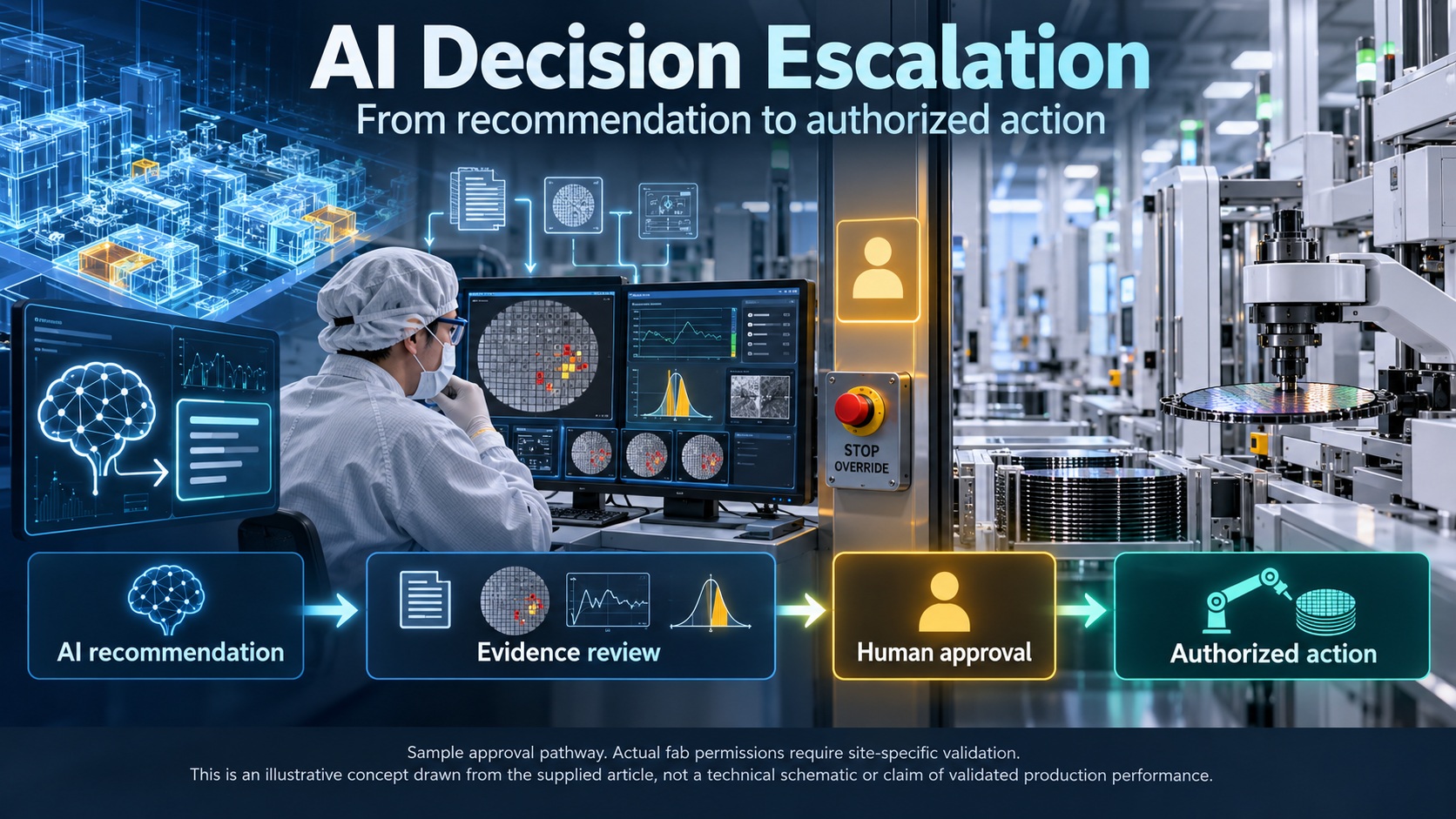 SEMICON West's Autonomous Fab Vision Needs a Decision-Escalation DesignBy Gleb Tsipursky SEMICON West 2026's smart-manufacturing agenda…Read More
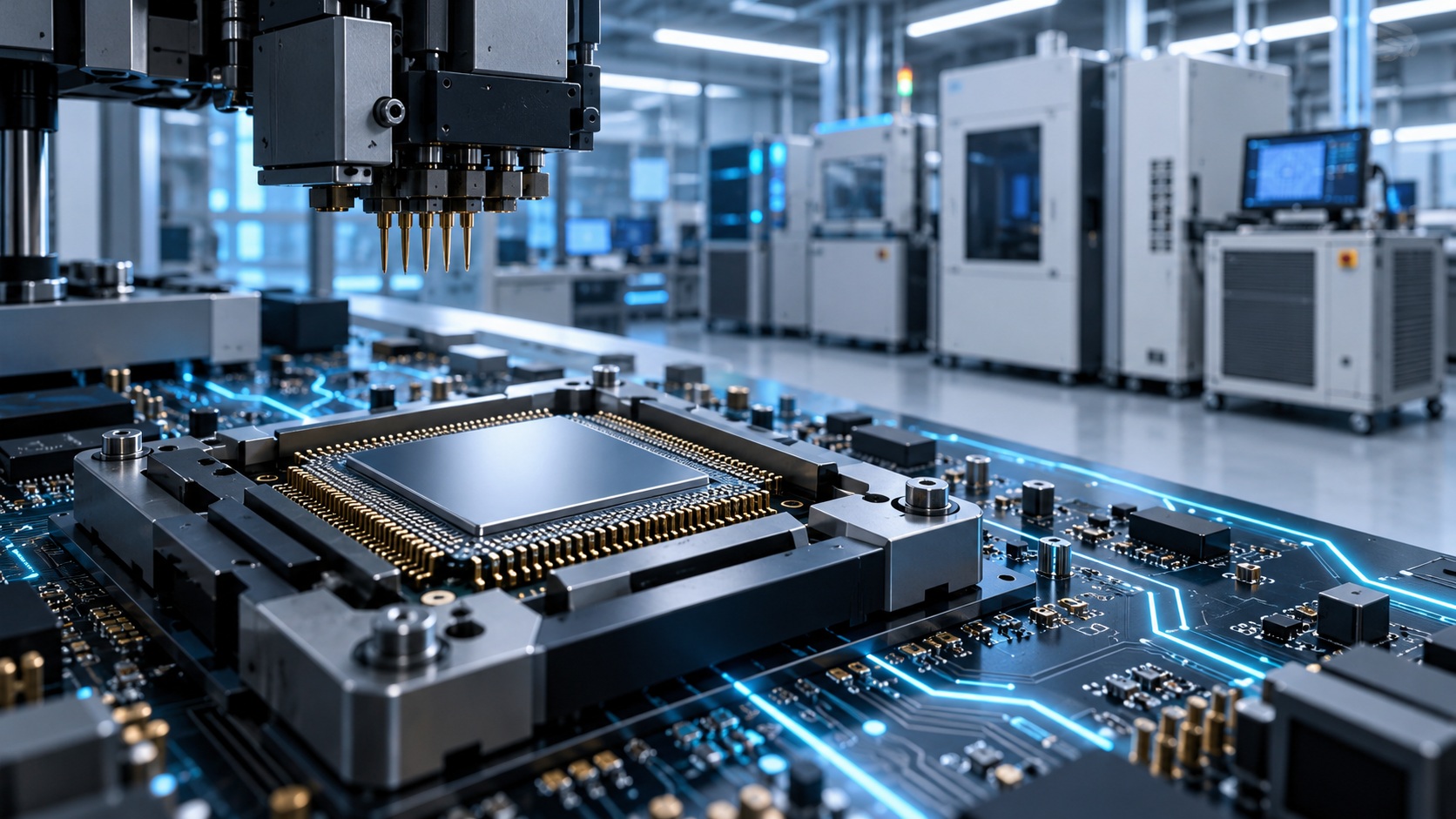 Teradyne Targets Edge AI Test Costs With UltraFLEXplus S SeriesTeradyne has introduced the UltraFLEXplus S series, extending…Read More
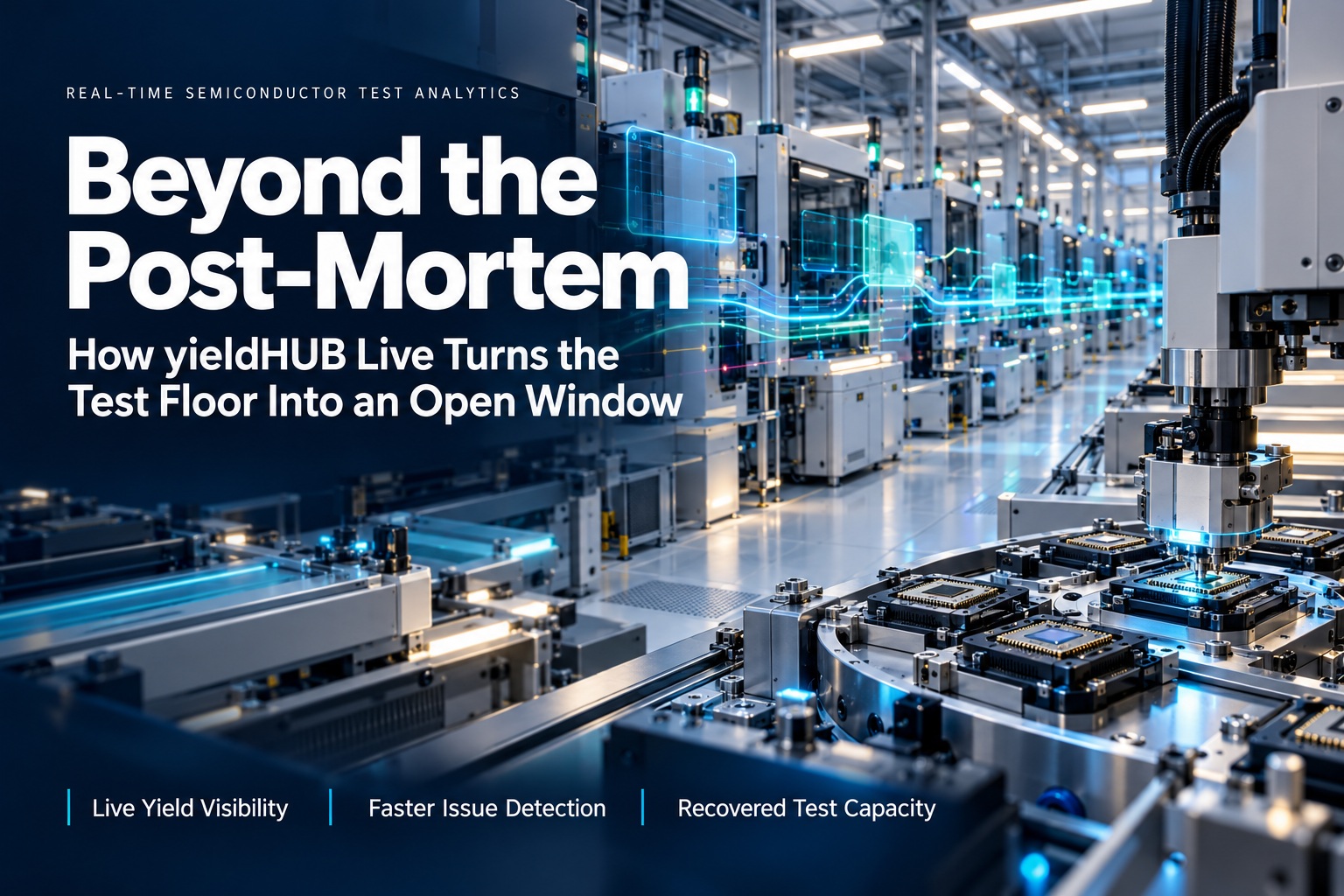 Beyond the Post-Mortem: How yieldHUB Live Turns the Test Floor Into an Open WindowAt SEMICON West 2026 I sat down with…Read More
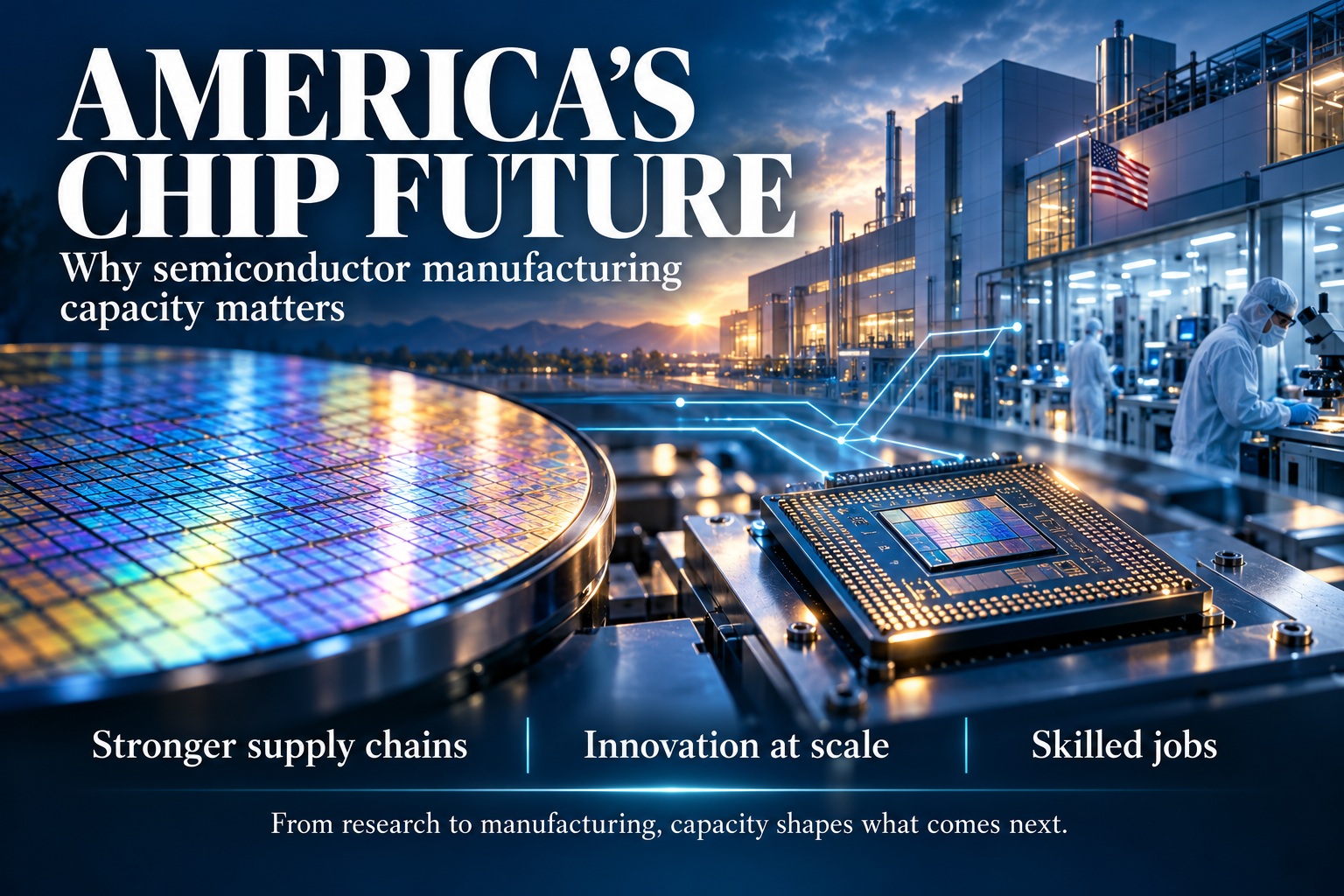 Why America’s Semiconductor Manufacturing Capacity MattersAmerica’s semiconductor future will be shaped by its…Read More
What is Deep Learning?
Deep learningis an emerging topic in artificial intelligence (AI). A subcategory of machine learning, deep learning deals with the use of neural networks to improve things like speech recognition, computer vision, and natural language processing. It’s quickly becoming one of the most sought-after fields in computer… Read More
Why are Top Brass from NXP, Qualcomm, Skyworks Keynoting Upcoming IEEE SOI-3D-SubVt (S3S) Conference? (San Francisco, Oct.’16)
By Fred Allibert
The IEEE S3S Conference (10-13 October 2016 at the San Francisco Airport Hyatt Regency) brings together 3 key technologies that will play a major role in tomorrow’s industry: SOI, 3D integration, and Subthreshold Microelectronics. The numerous degrees of freedom they allow enable the ultra-low power operation… Read More
Bacteriography
I recently found a couple of articles which caught my interest, both on roles bacteria can play in electronics. The first has to do with a method to form semiconductor-like structures on a sheet of graphene. Graphene is an excellent conductor but in sheet form but conducts more or less equally in all directions. So the first problem… Read More
Customized PMICs with OTP in automotive and IoT
Power. Every device needs it. Managing it properly can make all the difference between a device people enjoy using and one that is more hassle than it is worth. What happens between the battery and the processor is the job of the power management integrated circuit (PMIC).
Why are PMICs gaining so much attention? Increased power … Read More
Statistical Simulation Provides Insight into 6T SRAM Optimization

ARM’s Azeez Bhavnagarwala recently gave a talk hosted by Solido on the benefits of variation aware design in optimizing 6T bit cells. Azeez sees higher clock rates, increasing usage of SRAM per processor and the escalating number of processors, shown in the diagram below, as trends that push designers toward 6T. Six Transistor… Read More
Tesla: After the Crash
The funny thing about pitching new cars to the general public these days is that no one really wants to think about ever getting into a crash. There was a time when General Motors counted on OnStar as a deciding factor in selling cars because of its post-crash prophylaxis of automatically summoning assistance.
A couple decades of … Read More
MediaTek is on the Move with TSMC!
MediaTek (MTK) recently made the news for announcing their first leading edge SoC (Helio X30), a 32% increase in quarter over quarter sales, and an expected 30% increase for the year. Both of which deserve a closer look as we move into the second half of 2016 which should be very strong for MTK TSMC, and the fabless semiconductor ecosystem.… Read More
The Perfect Wearable SoC…?
Power is Everything
During Apollo 13 after the oxygen tank in the service module exploded forcing the crew to use the lunar module as a life boat to get back home, John Aaron – an incredibly gifted NASA engineer who was tasked with getting the Apollo 13 crew back home safely – flatly stated “Power is everything…we’ve… Read More
IoT Standardization and Implementation Challenges
The rapid evolution of the IoT market has caused an explosion in the number and variety of IoT solutions. Additionally, large amounts of funding are being deployed at IoT startups. Consequently, the focus of the industry has been on manufacturing and producing the right types of hardware to enable those solutions. In current model,… Read More
ChipAgent Raises $134Million and Why it Matters