




Well it comes as no surprise to those that use and design them, that PLL’s are a world unto themselves and very complicated indeed. With PLL’s we are talking about analog designs that rely on ring oscillators or LC tanks. They are needed on legacy nodes, like the ones that IoT chips are based on, and they are crucial for high speed advanced… Read More
 Intel’s 14A Is Winning the Race Against DefectsIntel’s next-generation 14A manufacturing process is showing unusually…Read More
 GenAlpha Brings a Practical Approach for Analog AI to DAC 2026Agentic AI was everywhere at DAC 2026. Various…Read More
 Exploiting agentic automation cost-effectively. Innovation in VerificationFrontier models (Claude, etc.) are very powerful but…Read More
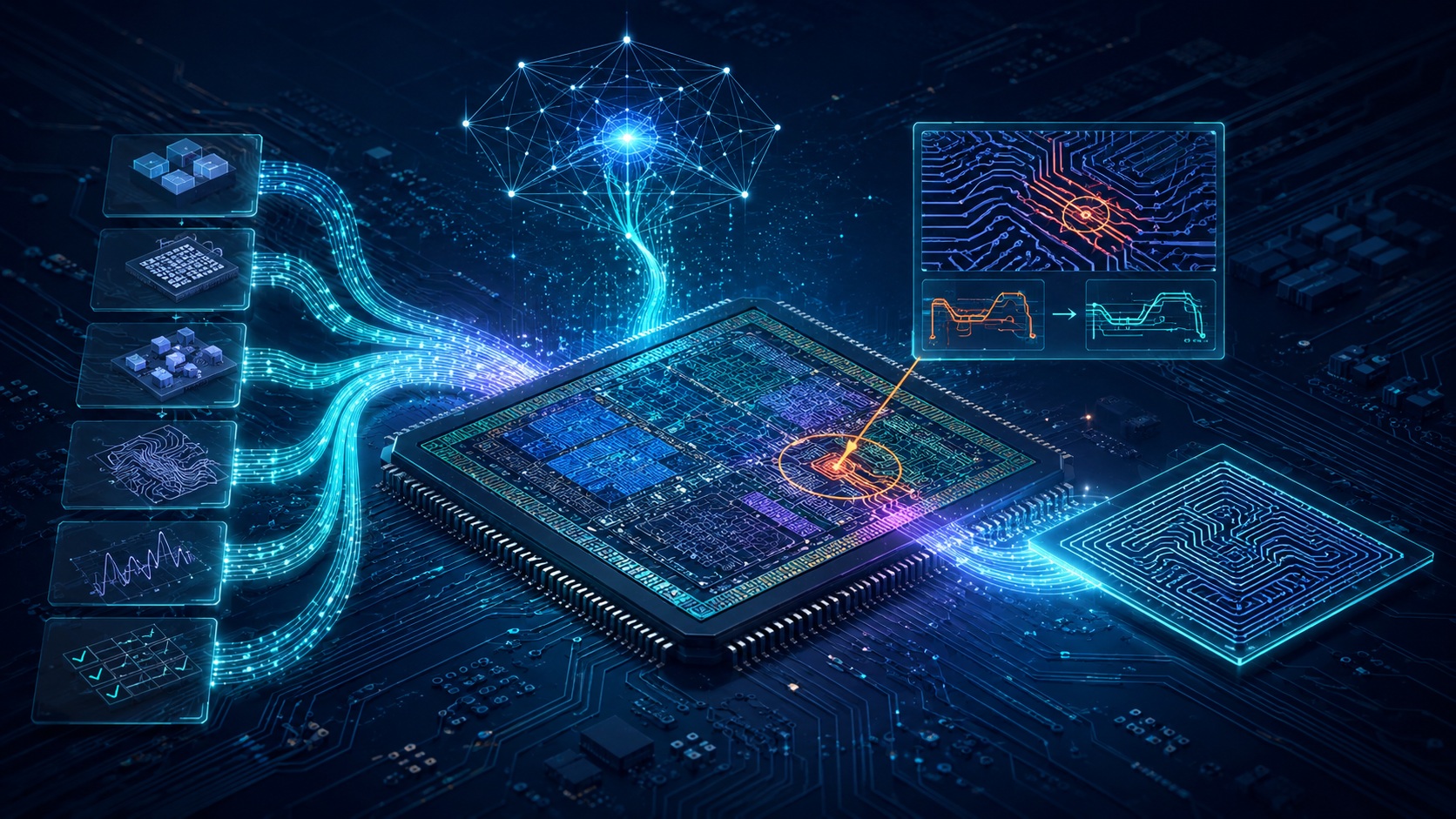 Will Agentic AI Help the Open-Source EDA Market?Agentic artificial intelligence is likely to give the…Read More
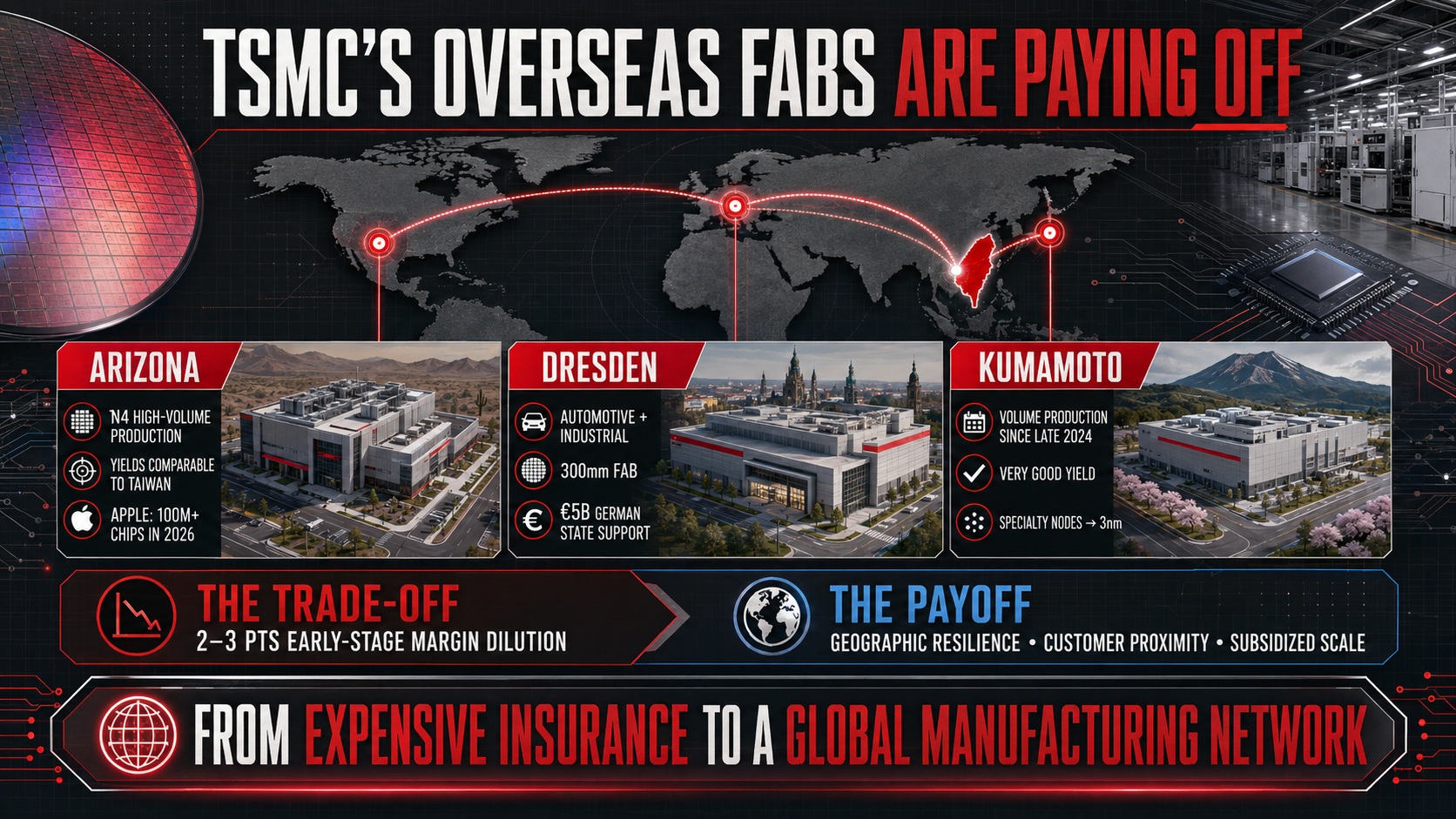 TSMC’s Overseas Fabs Are Paying OffTSMC’s overseas fabrication strategy is beginning to deliver…Read More
Virtual Modeling Drives Auto Systems TTM

The electronics market for automotive applications is distinguished by multiple factors. This is a very fast growing market – electronics now account for 40% of a car’s cost, up from 20% just 10 years ago. New technologies are gaining acceptance, for greener and safer operation and for a more satisfying consumer experience. Platforms… Read More
Talking Cars, Quiet Qualcomm
Qualcomm is a technology titan standing astride both the automotive and wireless industries with 10’s of thousands of patents, 340M automotive-grade chipsets shipped and a leading position in the connected car industry. So it is fascinating to find executives at the company almost totally tongue-tied of late when it … Read More
Mobileye’s Revenge
Tesla Motors CEO Elon Musk has famously dismissed hydrogen fuel (“fool”) cells and LiDAR and even parted company with Mobileye over automated driving strategy. Now it appears that Mobileye has gotten a measure of revenge with broad implications for the automotive industry, Tesla Motors and automated driving.… Read More
China to become largest semiconductor producer
China has long been the largest market for semiconductors, accounting for over 50% of the global market for the last five years. China is now on track to become the largest semiconductor manufacturer in the next few years. The chart below shows China’s integrated circuit (IC) industry from 2010 to 2016, according to the China Semiconductor… Read More
ARMing AI/ML
There is huge momentum building behind AI, machine learning (ML) and deep learning; unsurprisingly ARM has been busy preparing their own contribution to this space. They announced this week a new multi-core micro-architecture called DynamIQ, covering all Cortex-A processors, whose purpose is in their words, “to redefine … Read More
How to Design a Custom SoC with Analog, webinar from ARM and Tanner EDA
Leading edge SoC designs can contain billions of transistors, cost over $10M to design, and take over 18 months to deliver, but not all SoCs require that much complexity, cost and time. In fact, there is a growing class of SoC designs that integrate the popular ARM Cortex-M0 processor along with analog blocks that work with sensors… Read More
Top 10 Updates from the TSMC Technology Symposium, Part II
An earlier article described some of the technical and business highlights from the recent TSMC Symposium in Santa Clara (link). This article continues that discussion, with the top five updates.… Read More
Samsung Should Just Buy eSilicon Already!
As you all know I’m a big fan of the ASIC business dating back to the start of the fabless semiconductor transformation where anybody could send a design spec to an ASIC company and get a chip back. The ASIC business model also started the smart phone revolution when Samsung built the first Apple SoCs for the iPhones and iPads.
Today … Read More
Top 10 Updates from the TSMC Technology Symposium, Part I
Last week, TSMC held their 23rd annual technical symposium in Santa Clara. In the Fall, TSMC conducts the OIP updates from EDA/IP partners and customers. The theme of the Spring symposium is solely on TSMC’s technology development status and the future roadmap. Indirectly, the presentations also provide insight into … Read More
Intel 18A-P Pushes RibbonFET and Backside Power Beyond the First Generation