


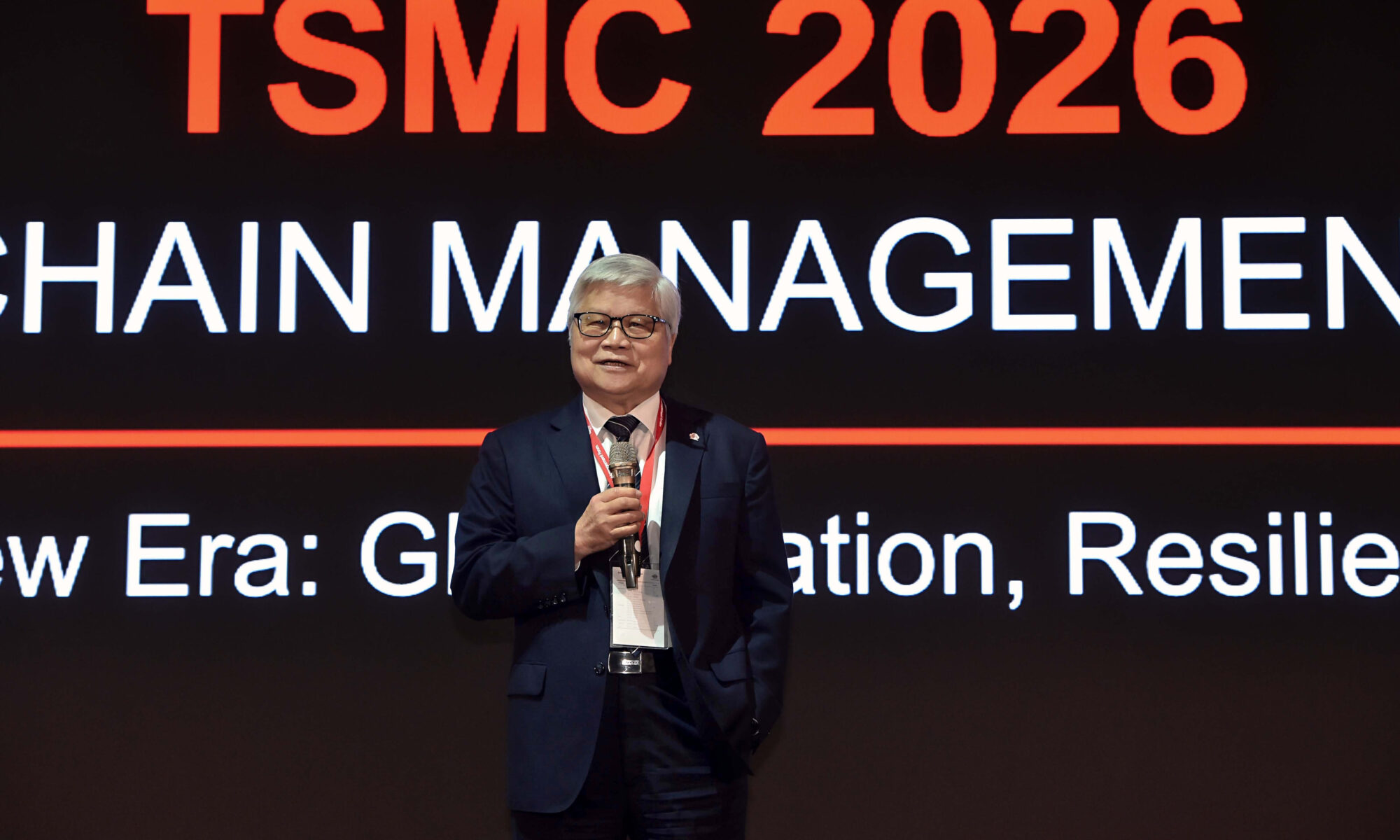

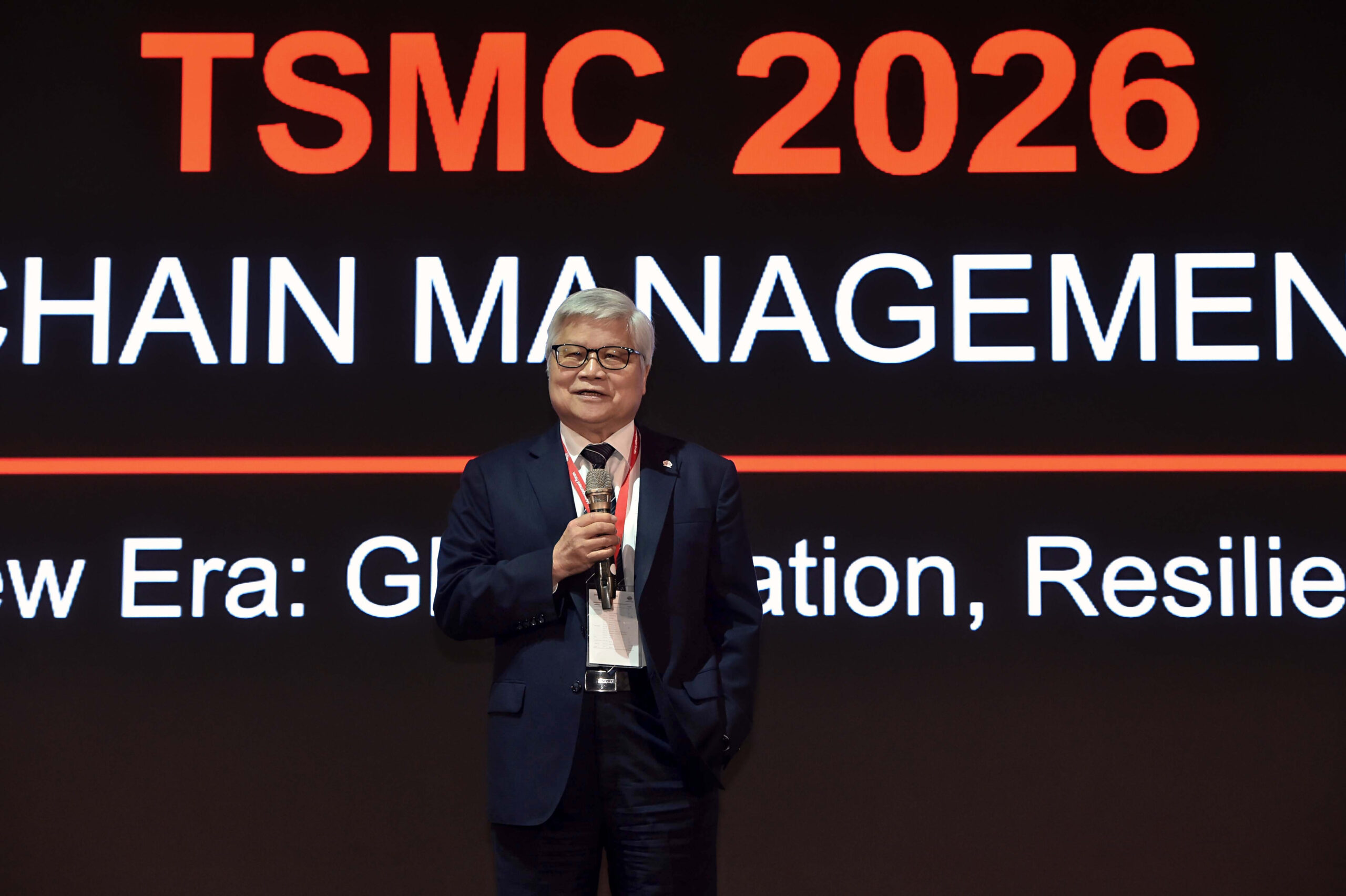
“Amid macroeconomic uncertainties, TSMC’s confidence in continuous investment and growth stems from the deep trust we share with our supply chain partners,” said Dr. C.C. Wei, TSMC Chairman and CEO. “Our goal has always been to unleash our customers’ innovation and enable their success. Only through the close and agile collaboration of the grand alliance can we overcome challenges and transform technology breakthroughs into powerful momentum driving the industry forward.”
Semiconductor break throughs are usually described in terms of smaller transistors, faster processors and more sophisticated packaging. But delivering those advances requires an extensive network of equipment manufacturers, materials specialists, construction contractors and production support companies. TSMC’s supplier awards offer a useful reminder that manufacturing leadership depends on how effectively that network performs.
At its confirmed 2025 Supply Chain Management Forum, TSMC recognized suppliers supporting advanced process development, packaging, capacity expansion and its international manufacturing footprint. The company also increased its emphasis on construction safety, sustainability and localization. Together, those priorities reveal how the definition of supplier excellence is broadening as semiconductor manufacturing becomes more demanding.
The importance begins with execution. A manufacturing roadmap has commercial value only when the required processes can operate reliably at production scale. Equipment must arrive, meet specifications and remain productive. Materials must perform consistently. Facilities must provide the operating conditions that sensitive manufacturing processes require. Weakness in any one area can undermine progress elsewhere.
Supplier recognition therefore highlights capabilities that rarely appear in chip performance announcements but directly influence delivery schedules, manufacturing costs and customer confidence. A more dependable installation, faster technical response or better controlled material can contribute to production performance even when it produces no headline improvement in transistor density.
Advanced packaging makes this interdependence particularly relevant. Combining multiple components into a finished device introduces additional manufacturing interfaces and coordination requirements. The practical implication is that expanding wafer production alone cannot guarantee a corresponding increase in completed products. Packaging equipment, materials, inspection and supporting operations must develop alongside the front-end process.
TSMC’s earlier 2024 awards explicitly recognized advanced packaging support, technology collaboration, automation and global production assistance. That breadth illustrates why the supplier ecosystem should be understood as part of the manufacturing platform itself. Its effectiveness depends on coordination across activities that individual companies may manage separately.
International expansion adds another challenge. Replicating manufacturing capability requires more than replicating buildings and installing similar tools. Suppliers need appropriate service coverage, trained personnel, logistics arrangements and an understanding of local operating requirements. Localization can improve responsiveness, but building a capable local network takes sustained investment and qualification.
For customers, the significance is practical: announced capacity and dependable output are different milestones. Suppliers help determine how quickly a new facility becomes a stable source of production. Their readiness affects whether geographic diversification delivers the resilience customers expect.
Construction safety deserves equal attention. TSMC’s 2025 announcement described contractor safety records as a selection criterion and introduced a standalone award for construction safety performance management. This signals that project success encompasses how capacity is built, alongside when it becomes available.
The broader implication is that safety belongs within operational planning. Poor construction practices can cause injuries, interrupt work and weaken confidence in project execution. Recognizing strong safety management creates an incentive for contractors to develop repeatable practices rather than relying solely on completion targets.
Sustainability also has operational consequences. Improving equipment efficiency and reducing resource consumption can help address the demands associated with expanding manufacturing. For suppliers, these requirements create opportunities to distinguish products through operating performance across their useful lives, alongside their immediate processing capabilities.
Bottom line: The forum provides a view of the capabilities TSMC considers important to manufacturing success. Technology development remains essential, but dependable support, safe construction, resource efficiency and regional readiness increasingly shape execution.
That is why the announcement matters beyond the winners. It shows that semiconductor competitiveness rests on coordinated industrial capability: the ability to develop technology, build capacity and operate it consistently. The suppliers enabling those outcomes help determine whether ambitious roadmaps become products customers can actually buy.
Source Material:
TSMC 2026 Supply Chain Management Forum Presents Awards to Outstanding Suppliers
Also Read:
TSMC’s Patent and the Harsh Realities of 3D DRAM Competition
Inside the Package Powering Modern AI
TSMC’s AI Expansion Signals a Broader Shift in Computing
Share this post via:


Comments
There are no comments yet.
You must register or log in to view/post comments.