You are currently viewing SemiWiki as a guest which gives you limited access to the site. To view blog comments and experience other SemiWiki features you must be a registered member. Registration is fast, simple, and absolutely free so please,
join our community today!
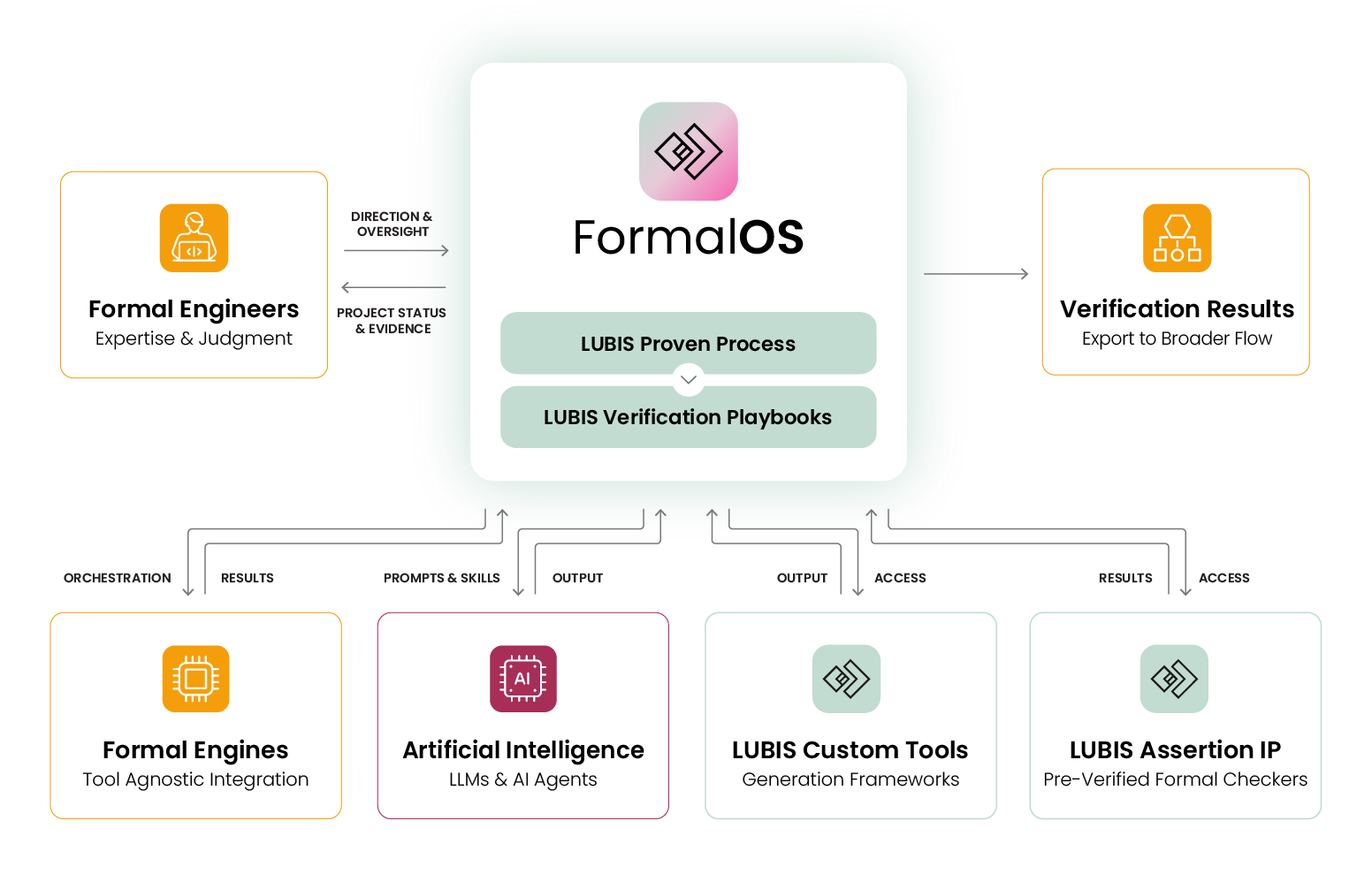
We have become accustomed to the idea that safety expectations can’t be narrowed down to one thing you do in design. They pervade all aspects of design from overall process through analysis, redundancies in design, fault analytics and mitigation for faults and on-board monitors for reliability among other requirements and techniques.… Read More
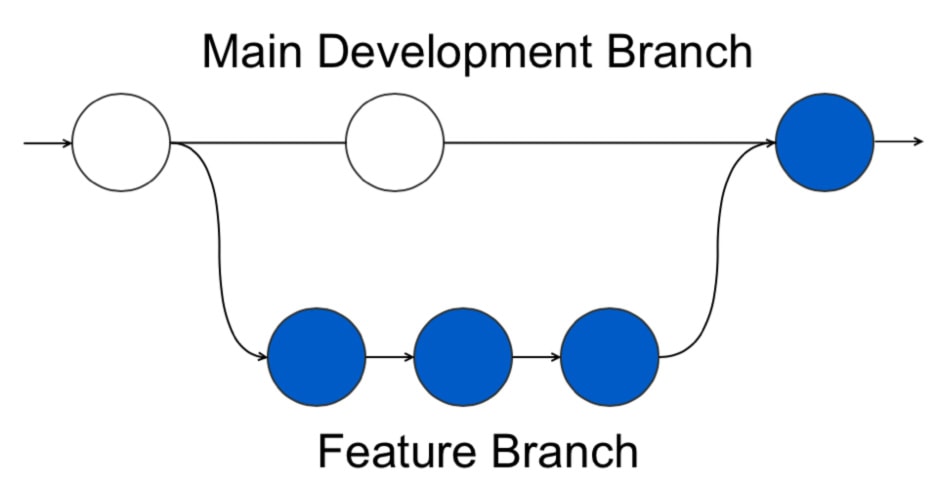
Linux creator Linus Torvalds lives in Oregon not too far from me and he also created the popular Git system for Design Management (DM) in 2004 that is now used by many software developers. So what makes Git so attractive as a DM tool?
- Feature-branch workflow
- Easy to switch context between features
- New features can be created orderly
…
Read More
Next week is SPIE, the leading lithography networking event here in Silicon Valley. Scott Jones is not only attending but also presenting at the 15th Annual LithoVision on Sunday. I will be at SPIE as well so if you want to meet up let us know. We will publish a blog on Scott’s presentation the morning of for those who cannot attend.… Read More
Variation analysis continues to be increasingly important as process technology moves to more advanced nodes. It comes as no surprise that tool development in this area has been vigorous and aggressive. New higher reliability IC applications, larger memory sizes and much higher production volumes require sophisticated yield… Read More
If you have a phone, you probably know it has a SIM card, for most of us the anchor that ties us into a 2/3-year plan with one network provider, unless you have an unlocked phone. Even then, you have to mess around swapping SIM cards if you travel overseas. Wouldn’t it be nice if the SIM was embedded and could be switched though an app or an… Read More
IPC-2581: The Standard for PCB Data Exchangeby Tom Dillinger on 02-19-2018 at 12:00 pmCategories: Cadence, EDA
The motivations to establish an industry standard data format are varied:
[LIST=1]
- solidify a “de facto” standard, transitioning its evolution and support from a single company to an industry consortium;
- aggregate disparate sources of design and manufacturing data into a single representation, with documented semantics;
…
Read More
DVCon turns 30 this year which is a very big deal. My oldest child also turns 30 this year which really puts things in perspective looking back at what we have all accomplished during that time. DVCon originally started as a user’s group at the 1988 Design Automation Conference in Anaheim California and the rest as they say is history.… Read More
Jalopnik’s report that car maker Fiat Chrysler Automobiles (FCA) had experienced a failed software update that had thrown the infotainment systems in some MY 2017-18 vehicles into a never-ending cycle of rebooting was a reminder that cars are indeed becoming smartphones on wheels. Blackberry CEO John Chen has no doubts… Read More
8 Trends of IoT in 2018by Ahmed Banafa on 02-18-2018 at 7:00 amCategories: IoT
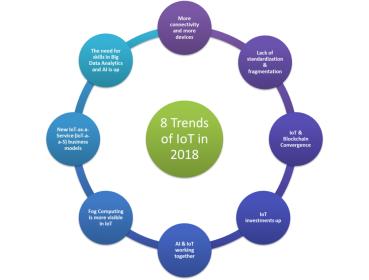
The Internet of things (IoT) is growing rapidly and 2018 will be a fascinating year for the IoT industry. IoT technology continues to evolve at an incredibly rapid pace. Consumers and businesses alike are anticipating the next big innovation. They are all set to embrace the ground-breaking impact of the Internet of Things on our… Read More
There’s been a lot of discussion of late about deep learning technology and its impact on many markets and products. A lot of the technology under discussion is basically hardware implementations of neural networks, a concept that’s been around for a while.
What’s new is the compute power that advanced semiconductor technology… Read More

















The silent killer of analog reliability: Why SPICE misses floating net