Over the past three years, I’ve spoken frequently with Cristian Amitroaie, CEO and co-founder of AMIQ EDA, to understand how the company is helping engineers cope with the challenges of chip design and verification. With their broad customer base and many years of experience in the EDA business, the folks at AMIQ really seem to … Read More
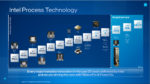
Last Thursday Intel held their investors meeting, in this write up I wanted to focus on my areas of coverage/expertise, process technology and manufacturing.
Technology Development presented by Ann Kelleher
Last year Intel presented their Intel Accelerated plan and, in this meeting, we got a review of where Intel stands on that… Read More
ON, ACLS, RMBS, AOSL, CAMT, ICHR, ONTO, SUMCO, and more!
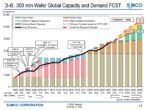
SUMCO was the best call I read this quarter. There were many great bits of information but I want to start with the stat that really shocked me.
First of all, with regard to the LTAs out to 2026 and whether we did make progress in the last 3 months, that is correct. In the last 3 months,
…
Read More
-Production constraints push backlog up $1.3B to $8B
-Looks like $100B in WFE 2022 VS $80B in 2021
-Almost sold out for 2022- Could lead to continued growth 2023
-Insp/metrology up 68% Y/Y- Expect steady growth in 2022
Can’t keep up with demand….
Revenue came in at $6.27B and NonGAAP EPS of $1.89. A very slight beat of … Read More
Dan and Mike are joined by Matt Burns, technical marketing manager at Samtec. Matt focuses on why interconnect architecture has become so important for state-of-the-art system designs. The markets that are driving these requirements, along with the challenges and how to address them are provided.
The discussion concludes… Read More
John Mortensen is the CEO & CCO of Comcores. He has been with Comcores since 2019, and has been leading the commercial function since 2020 and was appointed CEO in early 2021. John is focused on creating the best possible customer experience when you do business with Comcores. An experience where you, as a customer, sense how … Read More
The rationale behind the Tower Semi acquisition and things to watch out for at Intel’s investor day.
Intel bids for Tower Semi
First I have to quote myself because Tower was an error of omission. In November in a piece that was likely too long for its own good, I mentioned that trailing edge fabs are in a huge position of strength… Read More
Discussions of chiplets has been on the rise, ever since the slowdown of Moore’s law benefits. Gartner Research projects semiconductor revenue from systems using chiplets to grow from $3.3 billion in 2020, to $50.5 billion in 2024. With any market opportunity, there are always challenges to overcome in order to realize the full… Read More
The global semiconductor market in 2021 was $555.9 billion, according to WSTS data released by the Semiconductor Industry Association (SIA). 2021 increased 26.2% from 2020, the largest annual increase since 31.8% in 2010, eleven years ago. We at Semiconductor Intelligence track publicly available semiconductor market forecasts… Read More
Dan is joined by Jan Pantzar, VP sales and marketing of VSORA, a provider of high-performance silicon intellectual property (IP) and chip solutions for artificial intelligence, digital communications and advanced driver-assistance systems (ADAS) applications based in France.
Dan and Jan explore the VSORA architecture… Read More





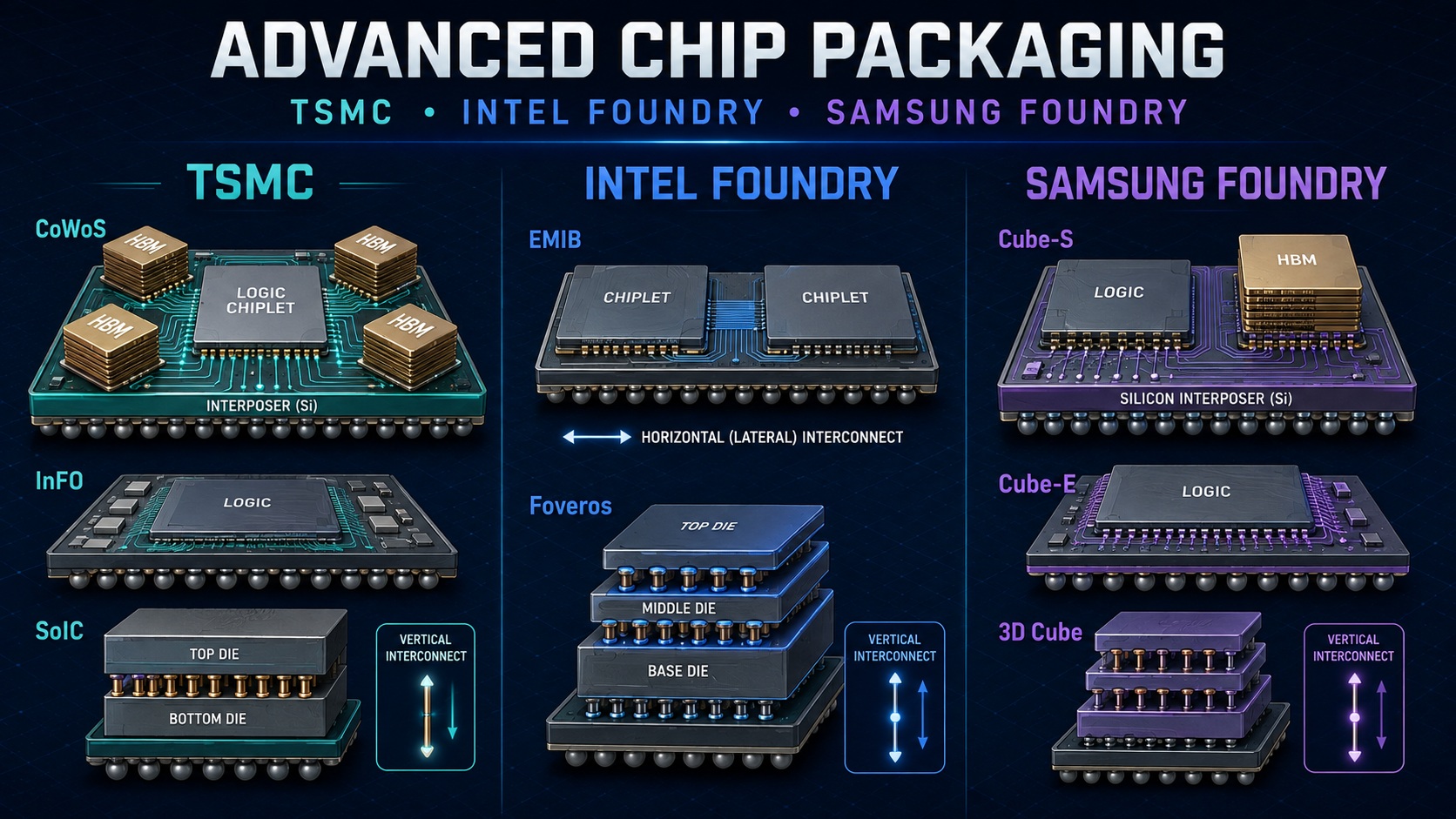




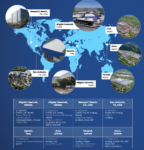
Comparing Advanced Packaging from TSMC, Intel Foundry, and Samsung Foundry