You are currently viewing SemiWiki as a guest which gives you limited access to the site. To view blog comments and experience other SemiWiki features you must be a registered member. Registration is fast, simple, and absolutely free so please,
join our community today!
WP_Term Object
(
    [term_id] => 178
    [name] => IP
    [slug] => ip
    [term_group] => 0
    [term_taxonomy_id] => 178
    [taxonomy] => category
    [description] => Semiconductor Intellectual Property
    [parent] => 0
    [count] => 2088
    [filter] => raw
    [cat_ID] => 178
    [category_count] => 2088
    [category_description] => Semiconductor Intellectual Property
    [cat_name] => IP
    [category_nicename] => ip
    [category_parent] => 0
    [is_post] =>
)
GM has just announced that it will introduce a car with no steering wheel or pedals in 2019. According to their statement, they have already planned four phases of their autonomous driving system, and they will plan many more. However, before we jump into this latest car and not grab the wheel for a spin, it is reasonable to ask about… Read More
Simulation dominates hardware functional verification today and likely will continue to dominate for the foreseeable future. Meanwhile formal verification, once thought to be a possible challenger for the title, has instead converged on a more effective role as a complement to simulation. Formal excels at finding problems… Read More
Buying IP is just a little bit more complicated than buying a pair of shoes. A lot of IP is configurable and requires attention to various design and configuration parameters. We live in an age where commercial soft IP is used pretty often in designs, so people have developed increasing comfort in the process that is required to achieve… Read More
According with McKinsey, “analysts predict revenue growth for advanced driver assistance systems (ADAS) to be up to 29 percent, giving the segment one of the highest growth rates in the automotive and related industries.” Design cycle in automotive segment is much longer than in segments like mobile, PC or consumer. If you expect… Read More
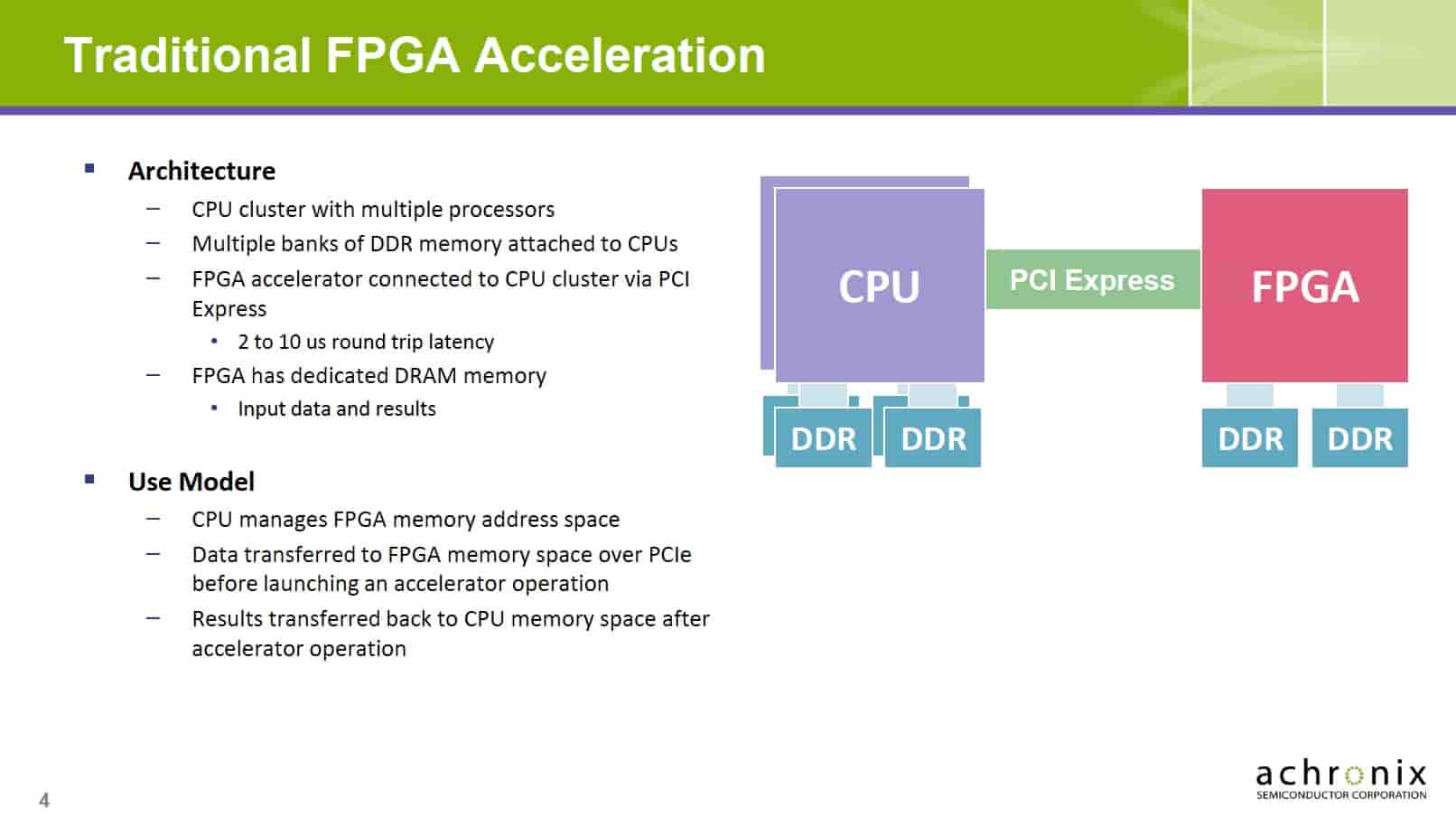
FPGA programmable logic has served in many capacities since it was introduced back in the early 80’s. Recently, with designers looking for innovative ways to boost system performance, FPGA’s have moved front and center. This initiative has taken on new urgency with the slowing down of process node based performance gains. The… Read More
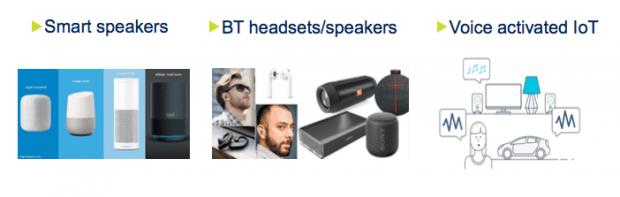
Voice-based control is arguably becoming another killer app, or killer app-enabler in the very significant shifts we are seeing in automation. After a bumpy start in car feature control (for navigation, phone calls, etc) and early smartphone “intelligent” assistants, voice-based interfaces now seem to be maturing into a genuinely… Read More
As I mentioned before, SiFive and RISC-V are trending topics on SemiWiki.com which makes complete sense since we have been covering semiconductor IP and ARM since we first went online in January of 2011.
In total we have published 707 IP related blogs that earned 3,565,140 views (5043 views per blog average). Out of that, 254 are … Read More
AI is quickly becoming the new killer app and everyone is piling on board as fast as they can. But there are multiple challenges for any would-be AI entrepreneur:
- Forget about conventional software development; neural nets require a completely different infrastructure and skill-sets
- More and more of the interesting opportunity
…
Read More
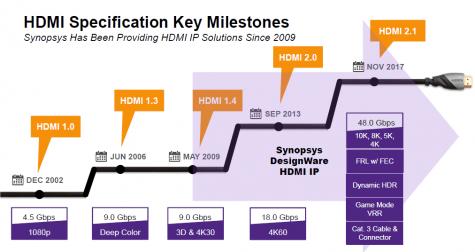
You may or may not have bought HDMI-equipped device for black Friday or during year end break, but you TV set (or/and you PC) are certainly HDMI-powered, like the 750 million HDMI-equipped devices sold in 2016. In fact, cumulated shipment of HDMI-equipped devices has reached 6 BILLION since the protocol introduction in 2003! HDMI… Read More
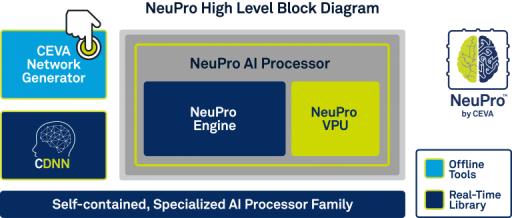
Neural networks make it possible to use machine learning for a wide variety of tasks, removing the need to write new code for each new task. Neural networks allow computers to use experiential learning instead of explicit programming to make decisions. The basic concepts related to neural networks were first proposed in the 1940’s,… Read More











The silent killer of analog reliability: Why SPICE misses floating net