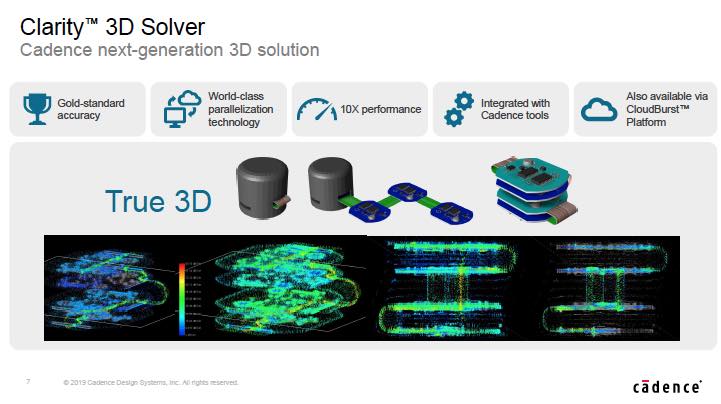

The need for full wave EM solvers has been creeping into digital design for some time. Higher operating frequencies – like those found in 112G links, lower noise margins – caused by multi level signaling such as in PAM-4, and increasing design complexity – as seen in RDL structures, interposers, advanced connector… Read More
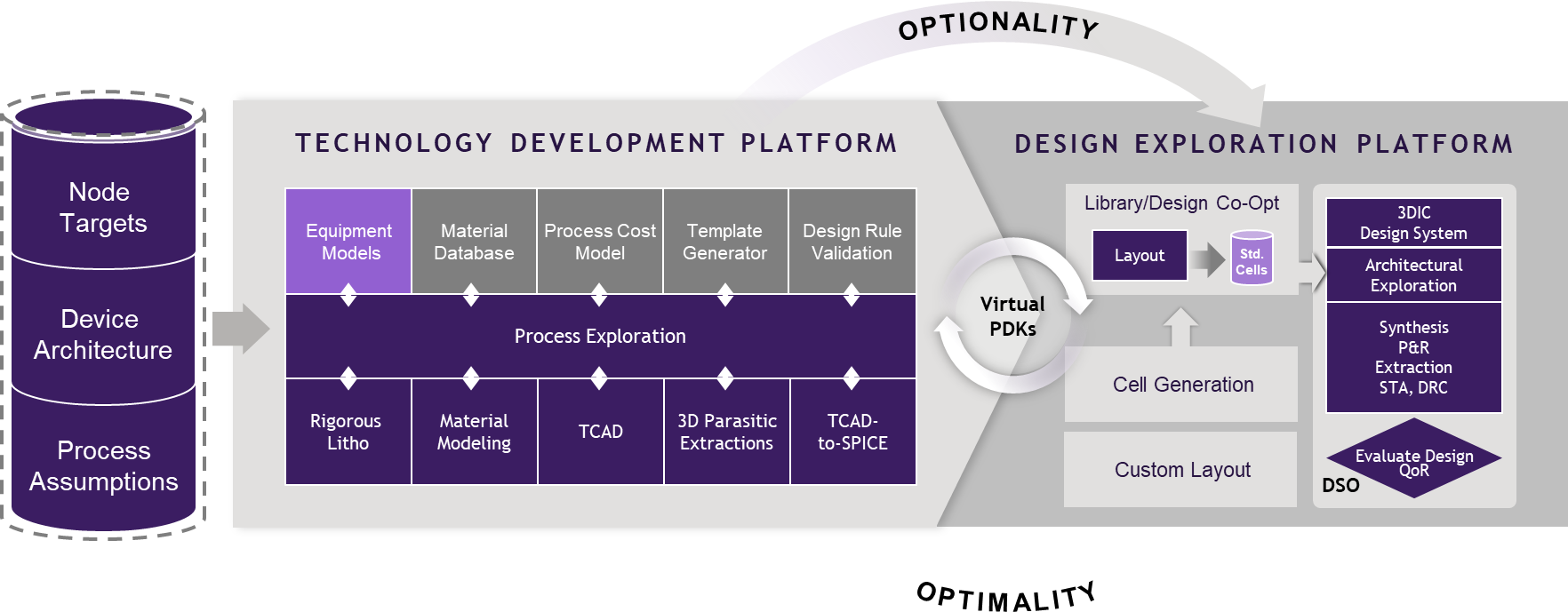
Cost, Cycle Time, and Carbon aware TCAD Development of new TechnologiesOur good friend Scotten Jones wrote a paper…Read More
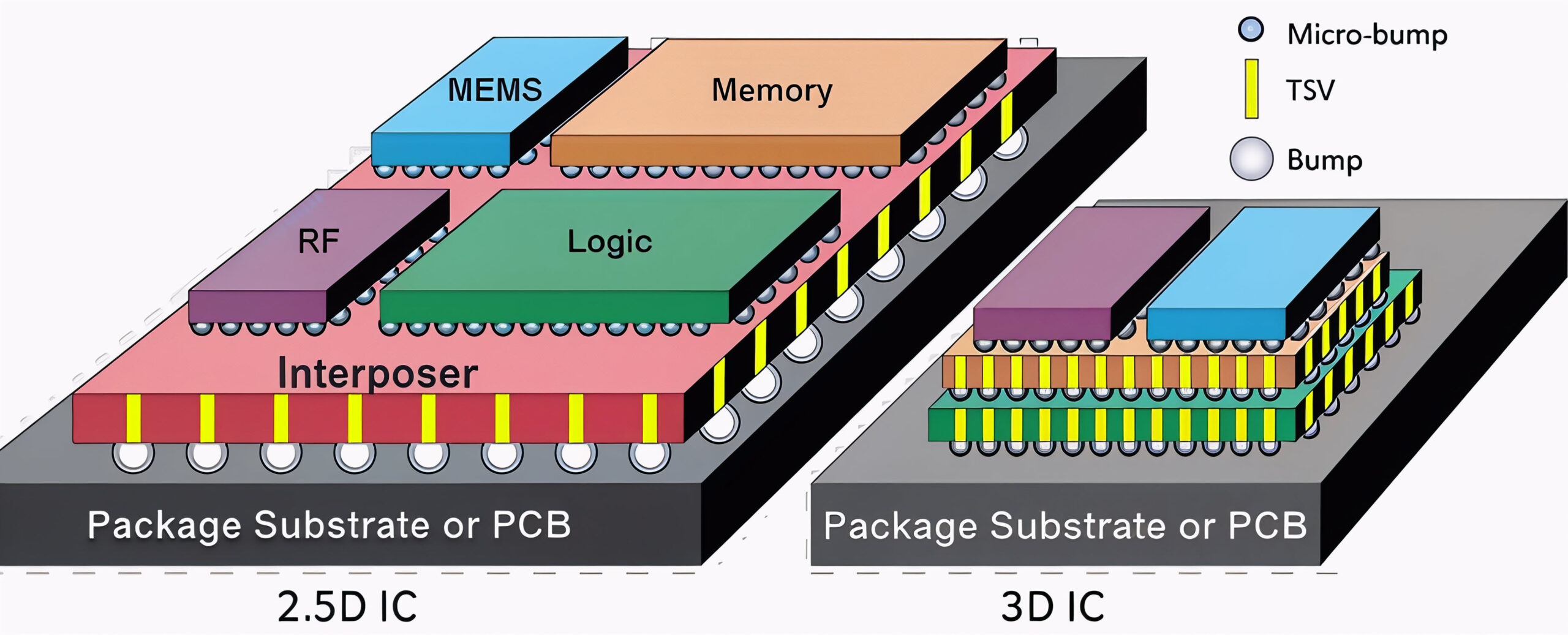
3D ESD verification: Tackling new challenges in advanced IC designBy Dina Medhat Three key takeaways 3D ICs…Read More
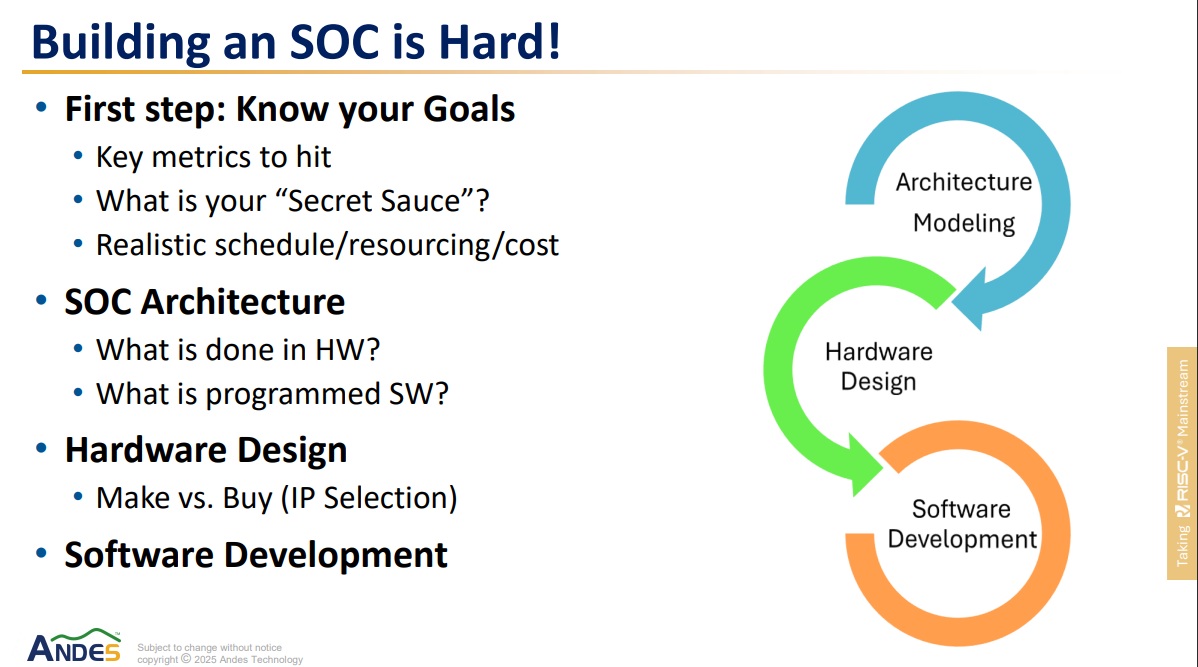
Reimagining Architectural Exploration in the Age of AIThis is not about architecting a full SoC…Read MoreWhat to Expect from the GSA Executive European Forum?
I plan to attend to the GSA European Forum in Munich (April 15-16), so I first looked at the event description and at the impressive speakers list. In such event, the goal is at 50% to listen, and 50% to network with the speakers and the other attendant. The center of gravity is clearly semiconductor, but the event involved speakers … Read More
Moore’s Law extended with new "gateless" transistor
Micron Buries the Hatchet with China
Micron has a very long history of counter cyclical investing, buying the assets of vanquished competitors when the memory industry is at the bottom of the cycle, such as it is right now.
Over the weekend, Micron announced that it had an agreement to acquire the assets of the now stalled Jinhua memory… Read More
FPGA Landscape Update 2019
In 2015 Intel acquired Altera for $16.7B changing one of the most heated rivalries (Xilinx vs Altera) the fabless semiconductor ecosystem has ever seen. Prior to the acquisition the FPGA market was fairly evenly split between Xilinx and Altera with Lattice and Actel playing to market niches in the shadows. There were also two FPGA… Read More
Lyft Uber and Soylent Green
It wasn’t enough that Lyft and Uber introduced the world to the concept of taxi and limousine drivers committing suicide, we now have Lyft and Uber drivers committing suicide. In other words, it’s not enough that the business models of these companies are suicidal, they are actually visiting suicide upon their non-employees.… Read More
Lyft & Auto Industry Annihilation
The good news is that Lyft’s initial public offering is over-subscribed, according to published reports. That also happens to be the bad news.
Like its disruptive corporate kin – Waymo, Uber, and Tesla Motors – Lyft is out to creatively destroy the automotive industry. In the process, the company is set on a course for its own annihilation… Read More
Semiconductor Foundry Landscape Update 2019
The semiconductor foundry landscape changed in 2018 when GLOBALFOUNDRIES and Intel paused their leading edge foundry efforts. Intel quietly told partners they would no longer pursue the foundry business and GF publicly shut down their 7nm process development and pivoted towards existing process nodes while trimming headcount… Read More
How to Spice Up Your Library Characterization
It used to be that at the mention of libraries, people would think of foundry PDK deliverables. However, now a host of factors such as automotive thermal requirements, nanometer FinFET processes, near threshold voltages, higher clock rates, high volumes, etc., have dramatically changed library development. These factors … Read More
With Great Power Comes Great Visuality
Every system-on-chip (SoC) designer worries about power. Many widely used electronics applications run on batteries, including smartphones, tablets, autonomous vehicles, and many Internet-of-Things (IoT) devices. Even “big iron” products such as network switches and compute servers must be careful when it comes to power… Read More
Spring Forward with AI
The euphoria of NCAA March Madness seems to spill over into the tech world. The epicenter of many tech talks this month spanning from GPU conference, OCP, SNUG to CASPA has evolved around an increased AI endorsement by many companies and its integration into many silicon driven applications. At this year CASPA Spring Symposium,… Read More


Quantum Computing Technologies and Challenges