A recent commentary from four former Intel board members argue that Intel should be split into two separate companies with separate CEOs and separate board of directors. Charlene Barshefsky, Reed Hundt, James Plummer, and David Yoffie wrote that Intel shareholders should insist on a split which would create a new, independent,… Read More
imec XTCO (Cross-Technology Co-Optimization) is the natural successor to DTCO and STCO in an era where no single layer of the stack can deliver scaling alone. Instead of optimizing devices, interconnect, packaging, architecture, and software in isolation, XTCO treats them as one tightly coupled system with a shared budget … Read More
Karim Beguir is InstaDeep’s Chief Executive Officer. He helps companies get to grips with the latest AI breakthroughs and deploy these in order to improve efficiency and ROI. As a graduate of France’s Ecole Polytechnique and former Program Fellow at NYU’s Courant Institute, Karim has a passion for teaching and using… Read More
Dan is joined by Cristian Macario, senior technical professional at MathWorks, where he leads global strategy for the semiconductor segment. With a background in electronics engineering and over 15 years of experience spanning semiconductor design, verification, and strategic marketing, Cristian bridges engineering … Read More
Lip-Bu Tan made it very clear on his most recent call that Intel will not continue to invest in leading edge semiconductor manufacturing solo. Lip-Bu is intimately familiar with TSMC and that is the collaborative business model he envisions for Intel Foundry. I support this 100%. Intel and Samsung have tried to compete head-to-head… Read More
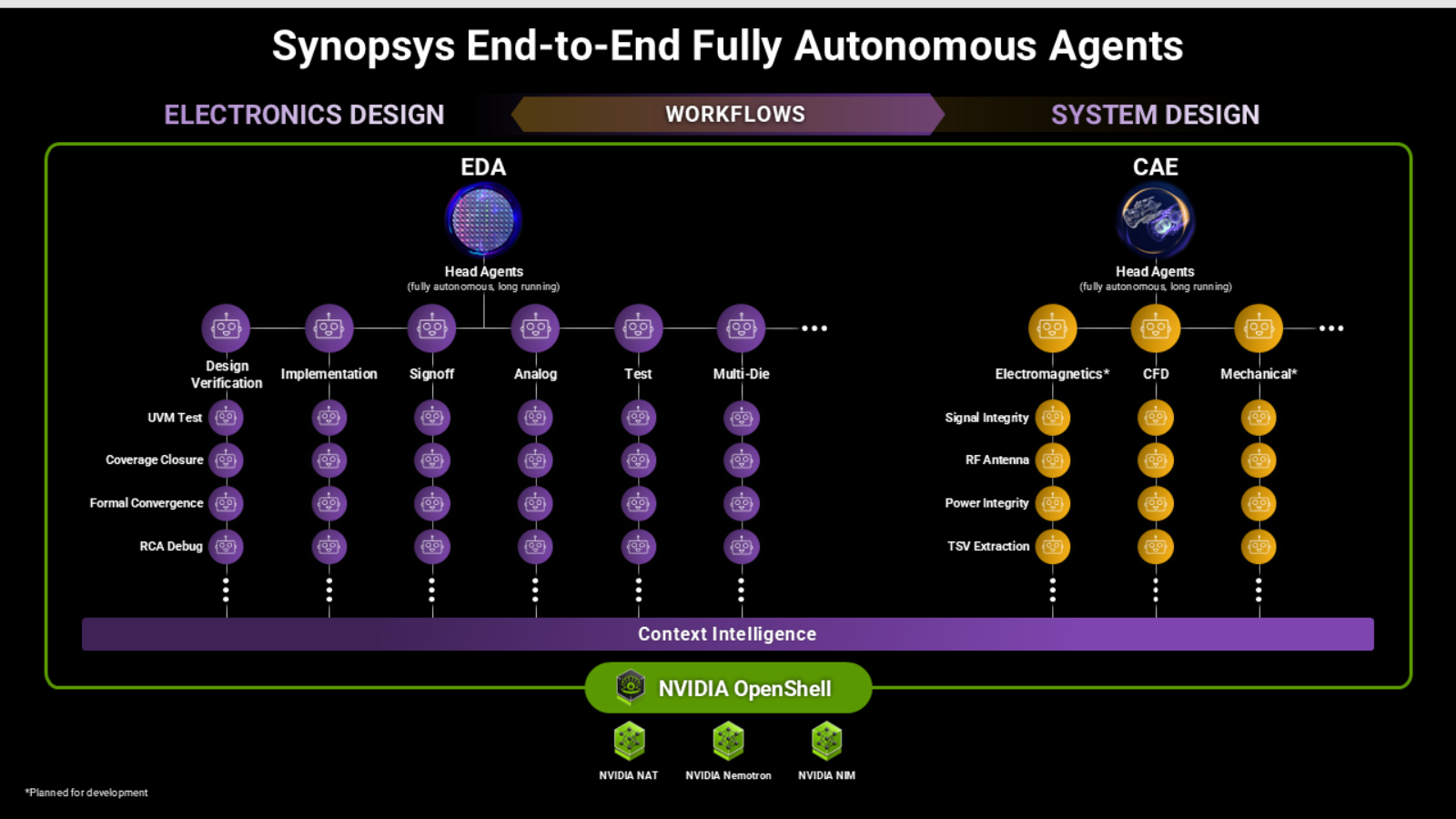
The EDA (Electronic Design Automation) and semiconductor industries are experiencing a transformative shift—one that’s being powered by the rise of Agentic AI. If you attended this year’s SNUG, CDNLive, and/or DAC 2025, you couldn’t miss it: agentic AI was the hot topic, dominating keynotes, demos, and booth conversations… Read More
Keeping up with competitors in many computing applications today means incorporating AI capability. At the edge, where devices are smaller and consume less power, the option of using software-powered GPU architectures becomes unviable due to size, power consumption, and cooling constraints. Purpose-built AI inference … Read More
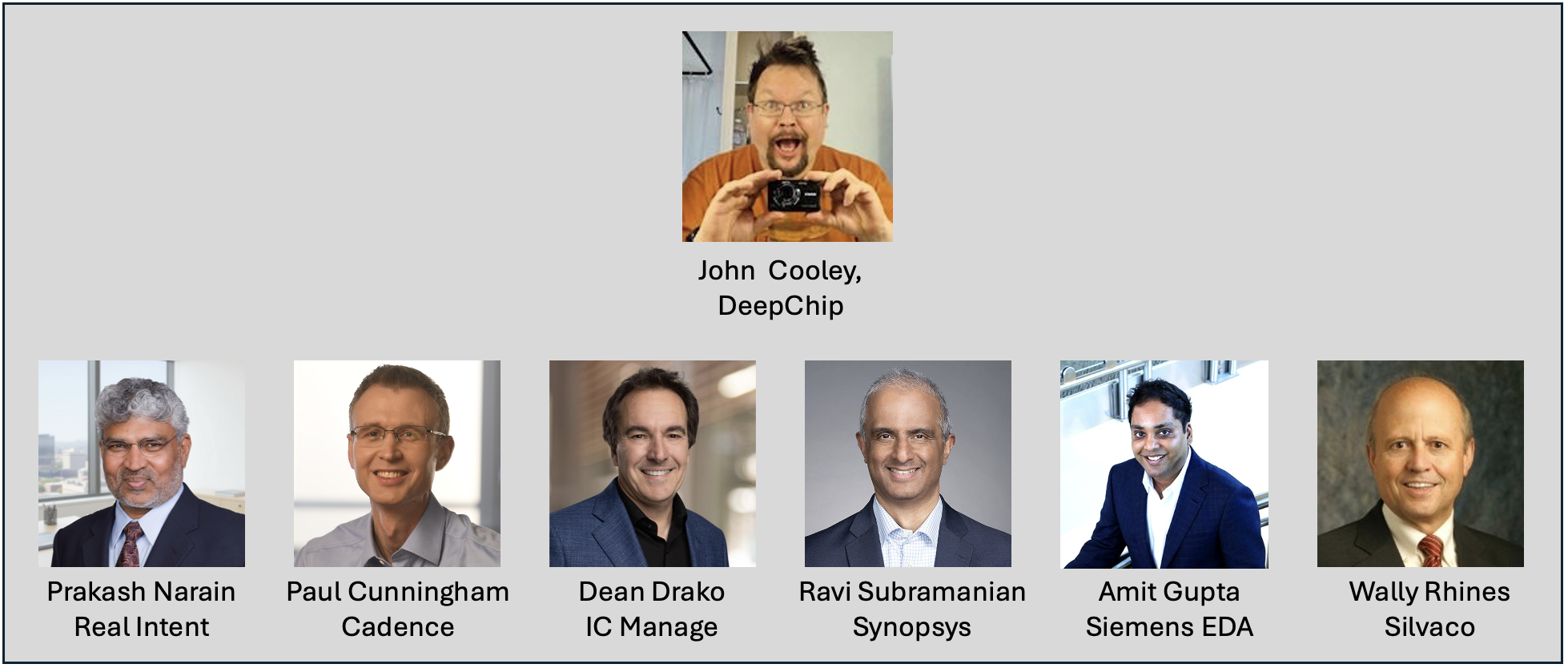
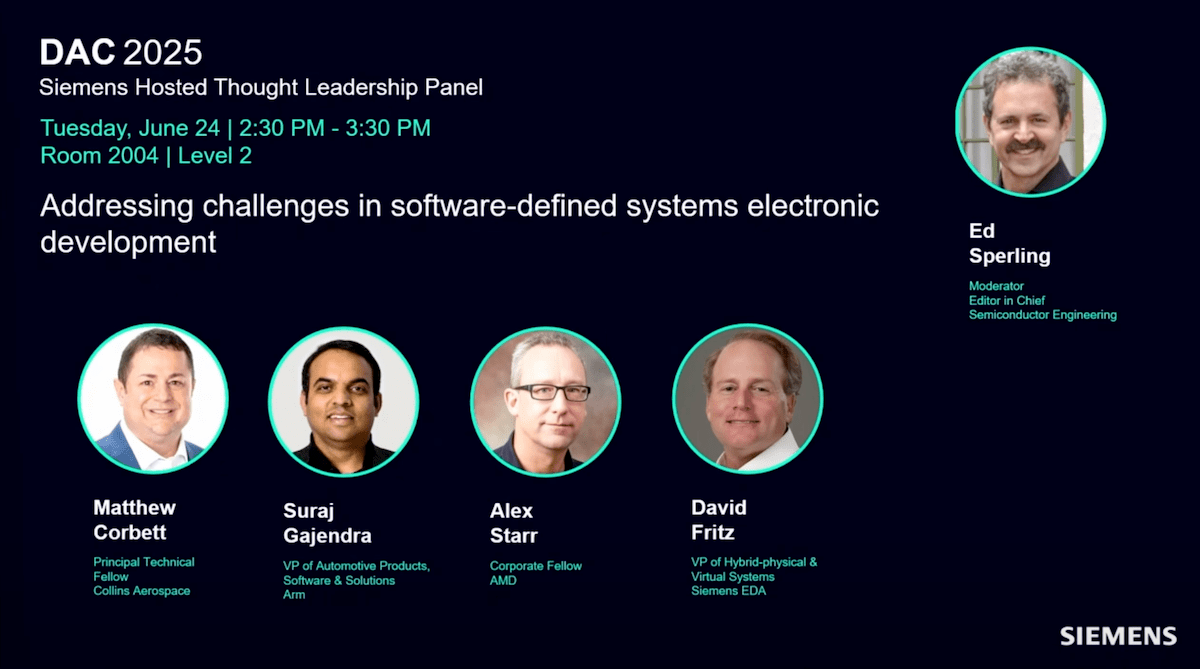
Modern EVs are prime examples of software-defined systems, so I attended a #62DAC panel session hosted by Siemens to learn more from experts at Collins Aerospace, Arm, AMD and Siemens. Here’s the list of panelists that span several domains, and what follows is my paraphrase of the discussion topics.
Panel Discussion
Q: How does… Read More
Epitaxial stacks of silicon and silicon germanium are emerging as a key materials platform for three dimensional dynamic random access memory. Future DRAM will likely migrate from vertical channels to horizontally stacked channels that resemble the gate all around concept in logic. That shift demands a starter material made… Read More
This isn’t a deep article. I only want to help head off possible confusion over this term. I have recently seen “vibe coding” pop up in discussions around AI for code generation. The name is media-friendly giving it some stickiness in the larger non-technical world, always a concern when it comes to anything AI. The original intent… Read More












Intel and TSMC Take Different Paths to High-NA EUV