





Why selecting ARM Cortex-M7 processor based Atmel SAMV70/71 for automotive entertainment application? The top three reasons are the Cortex-M7 clock speed (300 Mhz), the integration of a floating point (FPU) DSP and, last but not least because Atmel SAMV70/71 has obtained automotive qualification. If you dig into SAMV70/71… Read More
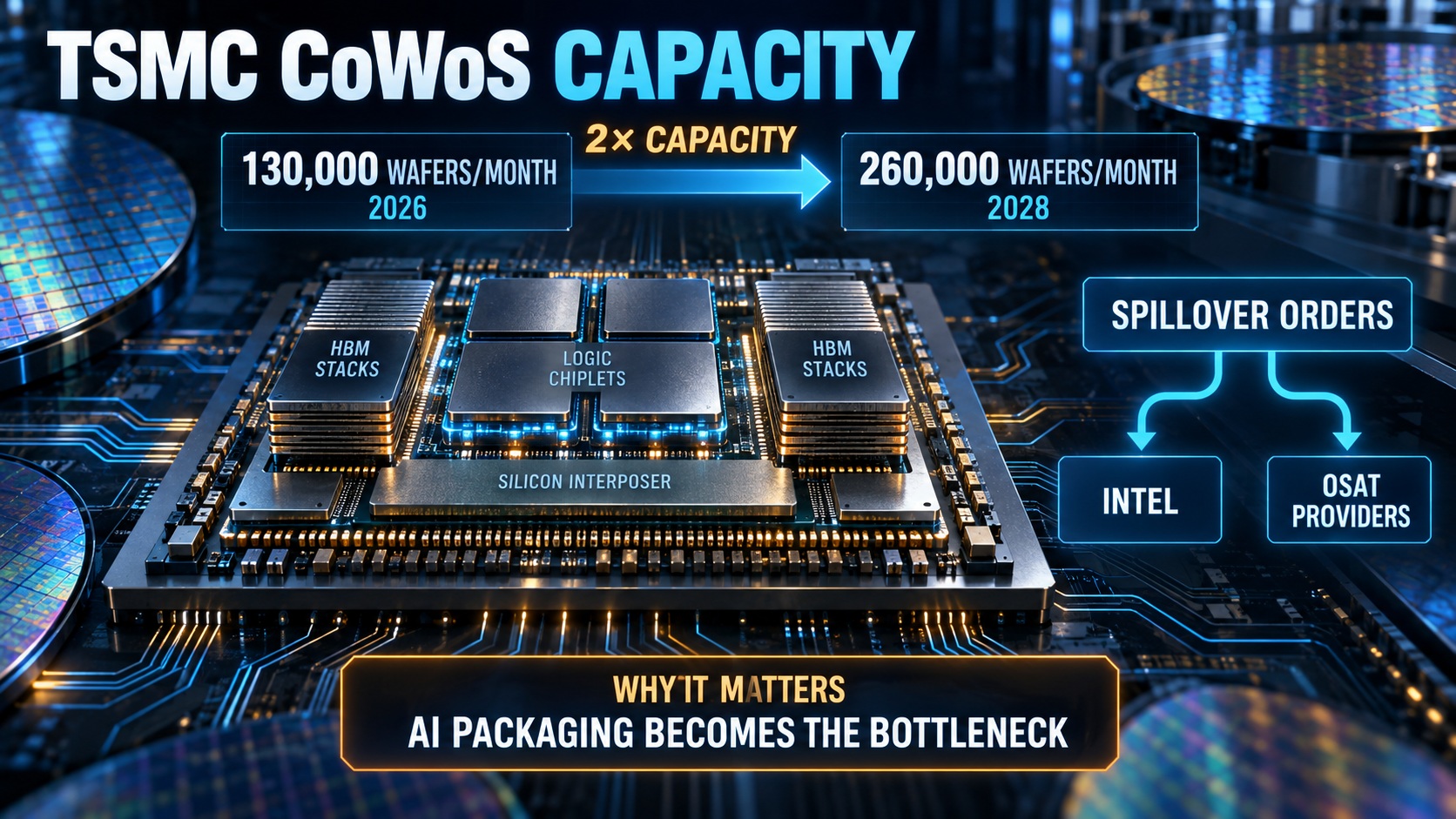 TSMC’s CoWoS Capacity to Double by 2028—and Rivals Will Still Win OrdersTSMC reportedly plans to double its Chip-on-Wafer-on-Substrate capacity…Read More
 The Invisible Bottleneck Is Costing You Time You Can't Get BackBy Joel Jorgensen, FlowAccel. The 2026 Siemens EDA…Read More
 Arm targets the agentic AI era with new edge, cloud and robotics platformsArm is expanding its computing platform for an…Read More
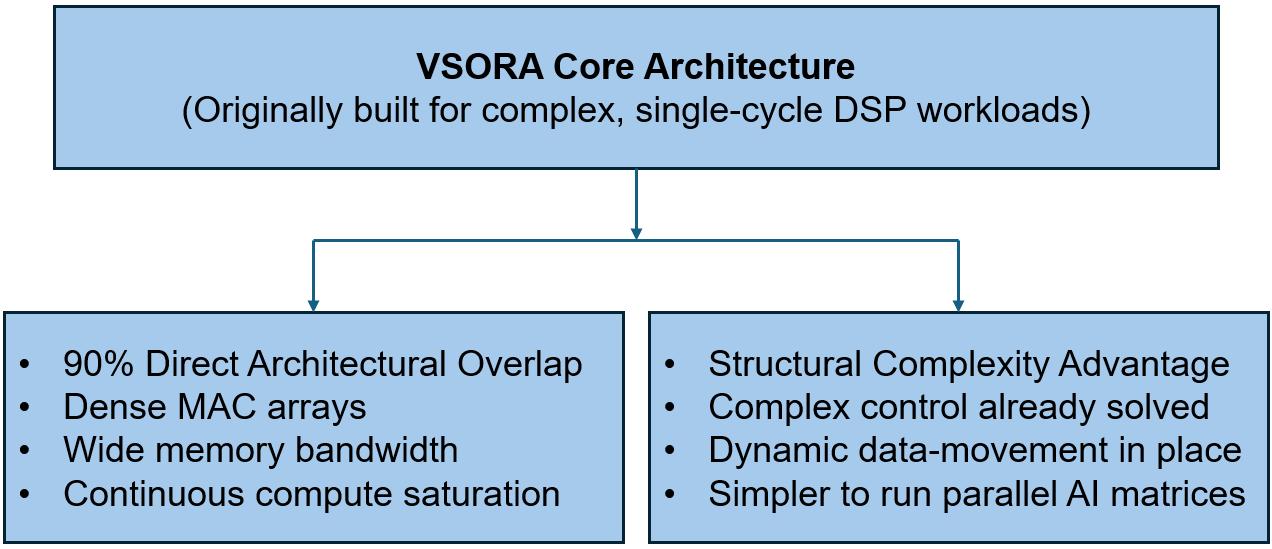 Rethinking AI Chips: How VSORA Redesigned the Hardware That Runs AIInstead of tweaking existing designs, VSORA built an…Read More
New Vivado release goes from Lab to UltraScale
Xilinx users will welcome the brand-new release of Vivado Design Suite 2015.1. For openers, device support for the latest FPGAs in the UltraScale family – XCVU440, XCVU190, and XCVU125 – has been added in the release, and early access code for the XCVU160 is available from a local Xilinx FAE. Installation has been streamlined, … Read More
SoC’s Shift Left Needs Software Integrity

Since Aart de Geus, co-CEO and co-founder of Synopsys, gave his keynote at the Synopsys User Group (SNUG) conference in Silicon Valley last March, I’ve been hearing a lot more about the “Shift Left” in semiconductor design. Although I couldn’t attend Synopsys’ 25[SUP]th[/SUP]SNUG, I found some short videos on the Synopsys website… Read More
MIPI CSI-2 and DSI IP? Better with FPGA Prototyping Set
Sourcing MIPI CSI-2 or DSI IP to a respected IP vendor is mandatory to build a peripheral IC or a SoC targeting mobile application as the chip maker simply can’t afford to do a re-spin because of Time-To-Market imperative. Buying this IP to a vendor also offering MIPI powered FPGA Prototyping Platforms is even better! Northwest Logic… Read More
Smartphones in Q1. Sammy Back On Top
Because it is such a major impact on the semiconductor industry, being the largest and fastest growing market ever, I follow the ups and down of the mobile industry. So what happened in Q1?
Total shipments are up 2% to a record (for Q1) 440 million units but that is down 16% from Q4 which remains the biggest quarter ever.
First thing is… Read More
Wireless Networks Chronicle: The Rise of LTE
Aaron Bartlett, a respected semiconductor industry executive, thinks that “Age of Mobile Data: The Wireless Journey to All Data 4G Networks” is the best book he has come across since Walter Isaacson’s biography on Steve Jobs. There is no dearth of books on wireless networks and Long Term Evolution (LTE) technology… Read More
The Curious Case of Samsung’s Shannon Chips
The recent teardowns of Samsung Galaxy S6 smartphone have one thing written all over them: Samsung is doubling down on its logic business. Although most of the technology press coverage went to Exynos 7420, the first mobile SoC manufactured at the 14nm FinFET process, Samsung’s other logic chips inside the S6 handset equally… Read More
TCAD Enables Moore’s Law to Continue
We live in very interesting times, you can wear an Android watch from Samsung that uses 14 nm FinFET technology, attend the 52nd DAC conference in June to learn about EDA and IP vendors supporting FinFET, and read about research work for new devices down to 5 nm. TCAD is that critical software technology that enables the development… Read More
TSMC 10nm Readiness and 3DIC
At the TSMC Technology Symposium last month Suk Lee presented a lot of information on design enablement. Suk is an interesting guy with a unique background in ASIC, Semiconductor, EDA, and now Foundry. In baseball terms that would be like playing infield, outfield, home plate, and umpire!
Around the turn of the millennium Suk actually… Read More
Why ASML Is Racing to Build 110 EUV Machines