

Agentic AI is emerging as a transformative paradigm in semiconductor design and manufacturing, driven by the exponential growth in data, system complexity, and performance demands. Modern semiconductor fabs generate massive volumes of heterogeneous data at unprecedented velocity. For instance, a single minute of operation
When a Platform Provider Becomes a Competitor: Why Arm’s Silicon Strategy Changes the IncentivesMarc Evans, Director of Business Development & Marketing,…Read More
yieldWerx Delivers a Master Class in Co-Packaged Photonics ImplementationWe all know the semiconductor industry is seeing…Read More
RISC-V Has Momentum. The Real Question Is Who Can DeliverRISC-V has momentum. The industry knows it. The…Read More
Samtec’s Strong Presence at embedded world 2026The embedded world Exhibition & Conference recently concluded.…Read MoreTrust in Verification with AI
These are stressful times in functional verification. We are being pushed to more aggressively embrace AI-based automation, knowing we will continue to be held accountable for quality of results. Verification misses could upend careers, maybe enterprises. It is tempting to believe that sanity will prevail and we will ultimately… Read More
Scaling Multi-Die Connectivity: Automated Routing for High-Speed Interfaces
This article concludes the three-part series examining key methodologies required for successful multi-die design. The first article Reducing Risk Early: Multi-Die Design Feasibility Exploration focused on feasibility exploration and early architectural validation, while the second article Building the Interconnect… Read More
Beyond Moore’s Law: High NA EUV Lithography Redefines Advanced Chip Manufacturing
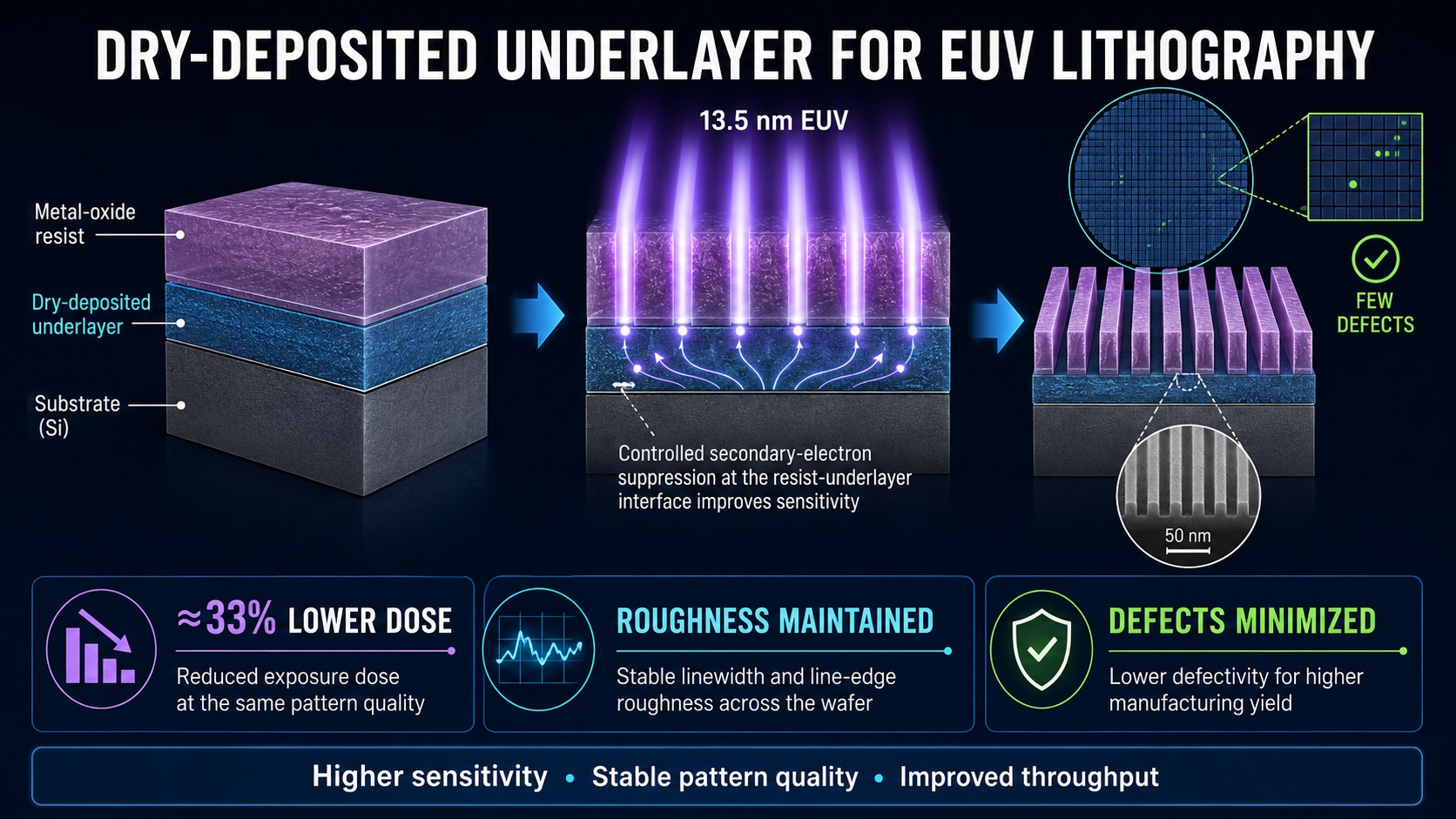
The imec installation of the ASML EXE:5200 High Numerical Aperture (High NA) extreme ultraviolet (EUV) lithography system at imec represents a pivotal advancement in semiconductor manufacturing and research. This system, installed in imec’s 300 mm cleanroom in Leuven, Belgium, introduces unprecedented lithographic resolution… Read More
Arteris Highlights a Path to Scalable Multi-Die Systems at the Chiplet Summit
At the recent Chiplet Summit, presentations, discussions and general participation could be broken down into a few broad categories. There were presentations of actual chiplet designs, either as building blocks or end products. There were presentations regarding design tools and methodologies to support and accelerate … Read More
CEO Interview with Moti Margalit of SonicEdge
Moti Margalit is the CEO and co-founder of SonicEdge, a deep-tech pioneer reinventing sound through ultrasonic modulation – unlocking smaller, vibration-free speakers with studio-quality audio.
With a background in lasers and electro-optics, Moti transitioned from technologist to inventor. His career spans 150+ patents… Read More
Podcast EP336: How Quadric is Enabling Dramatic Improvements in Edge AI with Veer Kheterpal
Daniel is joined by Dr. Veer Kheterpal. Veer has founded three technology companies and possesses full-stack expertise spanning software to silicon across edge and datacenter applications. Currently, he is the CEO & co-founder of Quadric, a semiconductor IP licensing company that delivers the blueprints for efficient,… Read More
Captain America: Can Elon Musk Save America’s Chip Manufacturing Industry?
Intel has posted three consecutive years of falling revenue and an $18.76 billion loss in 2024 alone—and the U.S. government has handed it tens of billions of dollars to fix the problem. The government money isn’t fixing the real issue, which isn’t technical. It’s cultural. Intel got slow, political, and risk-averse—the… Read More
WEBINAR: Reclaiming Clock Margin at 3nm and Below
At 3nm and below, clock networks have quietly become the dominant limiter of SoC power, performance, and yield. Yet most advanced-node designs still rely on abstraction-based signoff methodologies developed when voltage headroom was generous and interconnect effects were secondary.
That assumption no longer holds
As supply… Read More
WEBINAR: HBM4E Advances Bandwidth Performance for AI Training
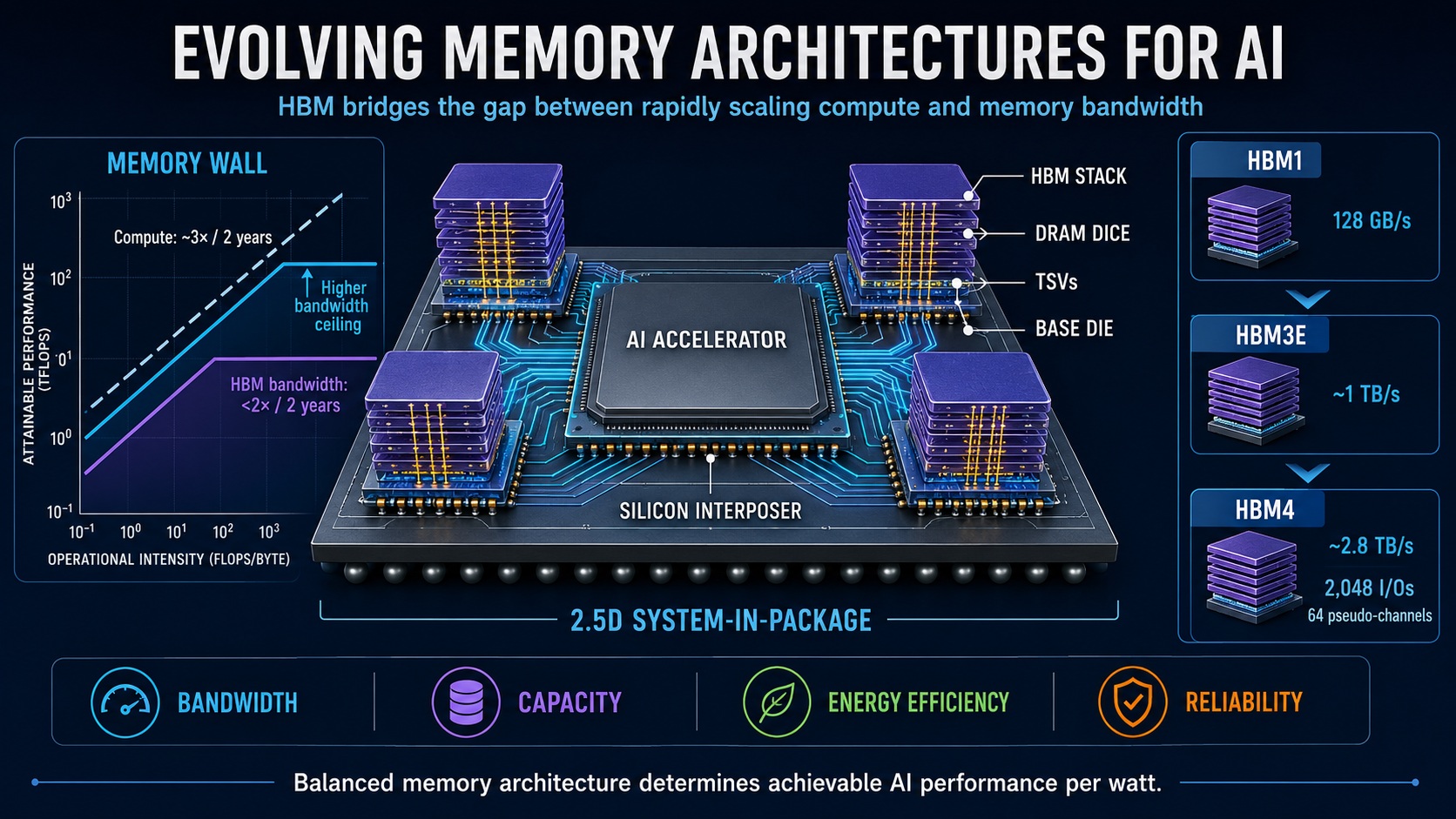
The rapid proliferation of LLMs and other AI applications, and of high-end GPU platforms that run them, is putting intense pressure on the performance requirements for memory technologies. Designers need to be keenly aware of how to make the most of their memory and controller choices, which can be moving targets given the rapid… Read More


Intel, Musk, and the Tweet That Launched a 1000 Ships on a Becalmed Sea