
Ajit Prabhu is the Co-Founder and CEO of Quest Global, a global engineering services company driven by a single purpose: to be the most trusted partner for solving the world’s hardest engineering problems. Under his leadership, Quest Global has built long-term, sustainable partnerships and delivers end-to-end engineering… Read More
Intel Wildcat Lake: Right-Sizing Silicon Without Sinking PerformanceLance Hacking, Intel Intel Core Series 3, code-named…Read More
Optimizing for Thermoelastic in Package and PCB Design from the OutsetSignoff-quality design tools are mandatory for signoff, though…Read MoreQuesta One Updated at DAC 2026
Abhi Kolpekwar, VP & General Manager, Digital Verification Technologies at Siemens EDA met with me at #DAC2026 to provide the big picture on smart verification tools, something they call Questa One. Their verification tools are infused with AI to improve productivity on projects like SoCs, 3D IC and chiplets. Abhi shared… Read More
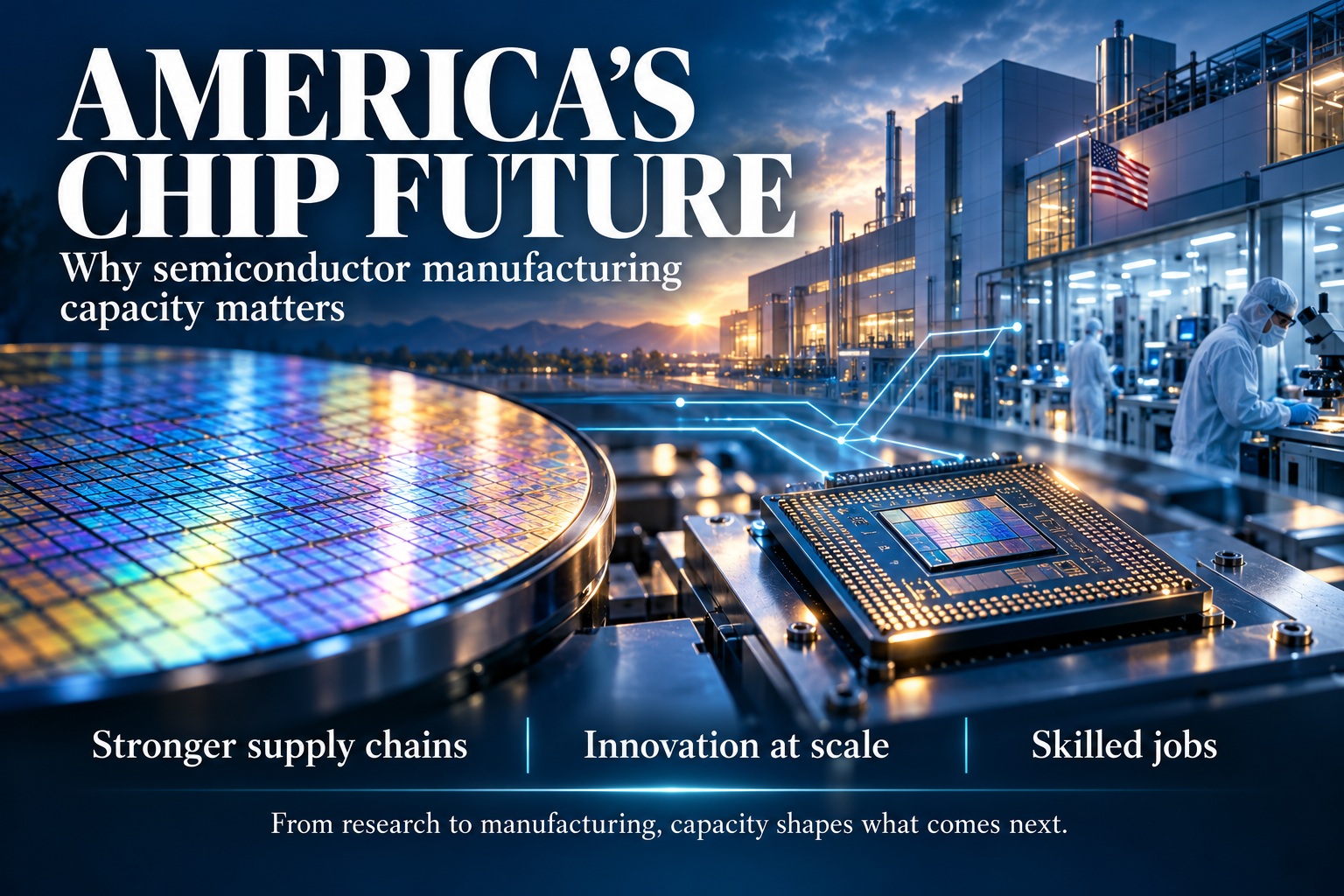
The Twelve-Month Rule Does Not Describe a New Fab
By Nikhil Shah
Capital spending is often treated as if it becomes semiconductor capacity about twelve months later. That can be a useful rule for equipment installed in an existing fab. It is a poor description of a new fab built from the ground up.
I tested the distinction using five advanced-node projects in the United States where… Read More
CEO Interview with Sumeet Kumar of Innatera
Dr. Sumeet Kumar is CEO of Innatera, the pioneering Dutch neuromorphic processor company. Dr. Kumar was previously with Intel and Indrion Technologies, and has spent his career in microprocessor development. He co-founded Innatera in 2018 as a spin off from the Delft University of Technology.
Tell us about your company?
When… Read More
The Fab Is Not the Finish Line
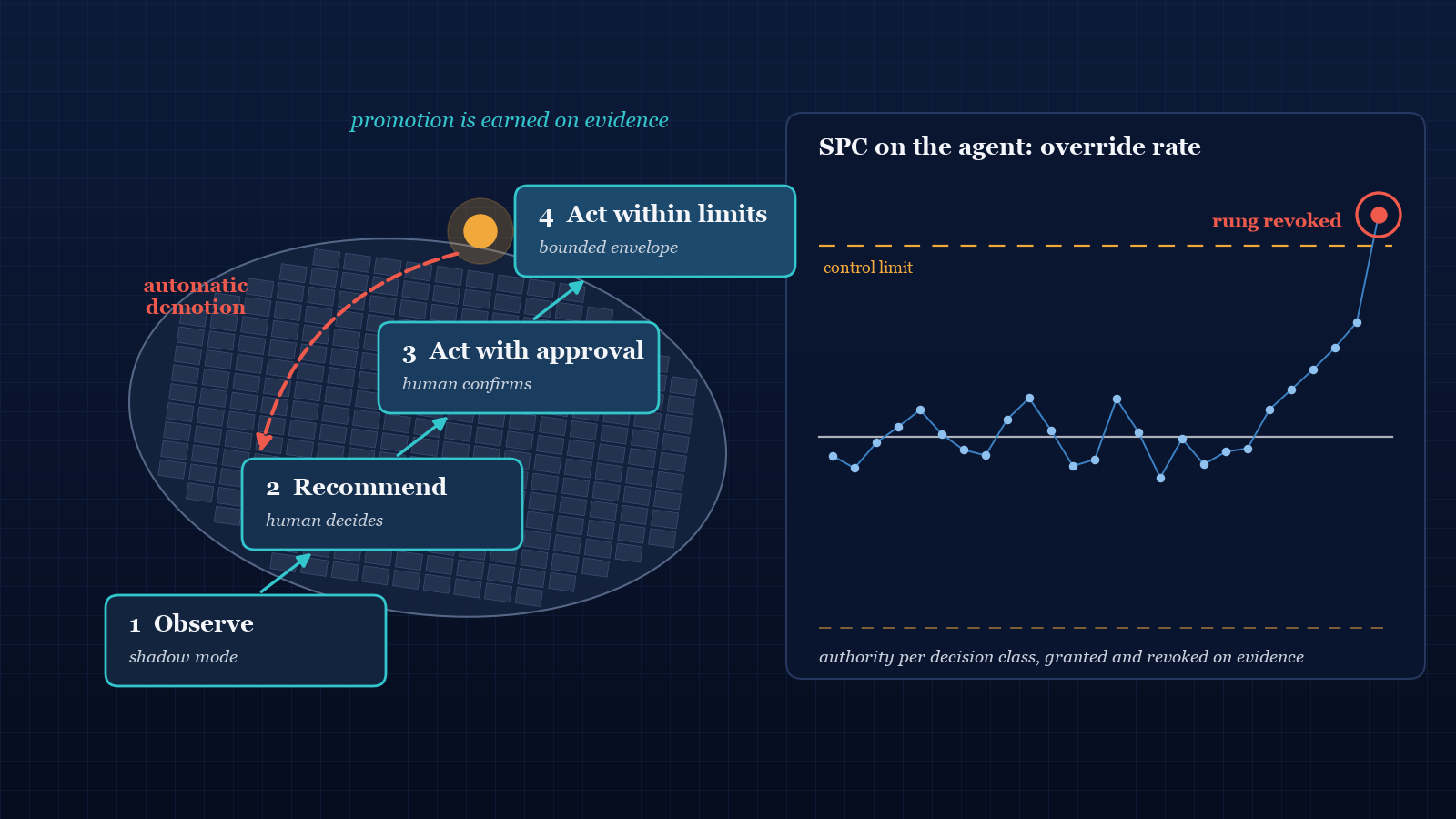
AI may close the design. The fab may finish the silicon. Production still has to realize the system.
Semiconductor engineering is becoming extraordinarily capable.
EDA platforms are expanding from individual design tasks toward increasingly complete system analysis.
Multiphysics simulation is connecting electrical, … Read More
Hot Chips 2026: Architectures for the Agentic Computing Era
Hot Chips 2026, formally the thirty-eighth Symposium on High Performance Chips, arrives at Stanford’s Memorial Auditorium from August 23 through 25 with a program that captures a decisive shift in computer architecture. Peak arithmetic throughput remains important, but the conference is increasingly about system balance:… Read More
Latest Savage on Security Webinar Focuses on Gen-AI for Chip Design and Security
Key Takeaways from the webinar:
Multi-agent intelligent assistant systems of the future will be architected to automate and augment SoC design and security verification and redefining semiconductor innovation, reshaping design, verification and security for the next generation of trusted silicon.
The ESD Alliance is delighted… Read More
Meet Quadric on the Road: Three Must-Attend AI Events
This late summer, Quadric is taking its vision for programmable, on-device AI to three of the industry’s most influential gatherings. From advanced processor design at HotChips to scalable deployment at the AI Infra Summit and physical AI at Embedded World North America, each stop offers a different opportunity to see how the… Read More
PDF Solutions’ Exensio Was Built for Semiconductor Analytics. The New Exensio Aurora Architecture Is Built for Semiconductor Intelligence.
The semiconductor industry doesn’t have a shortage of data. It has a shortage of ways to turn that data into useful manufacturing insights quickly enough to matter.
That is the problem PDF Solutions’ Exensio solution has addressed for years. Built specifically for semiconductor manufacturing, Exensio brings … Read More
Beyond Moore: Co-Optimizing AI from Systems to Materials
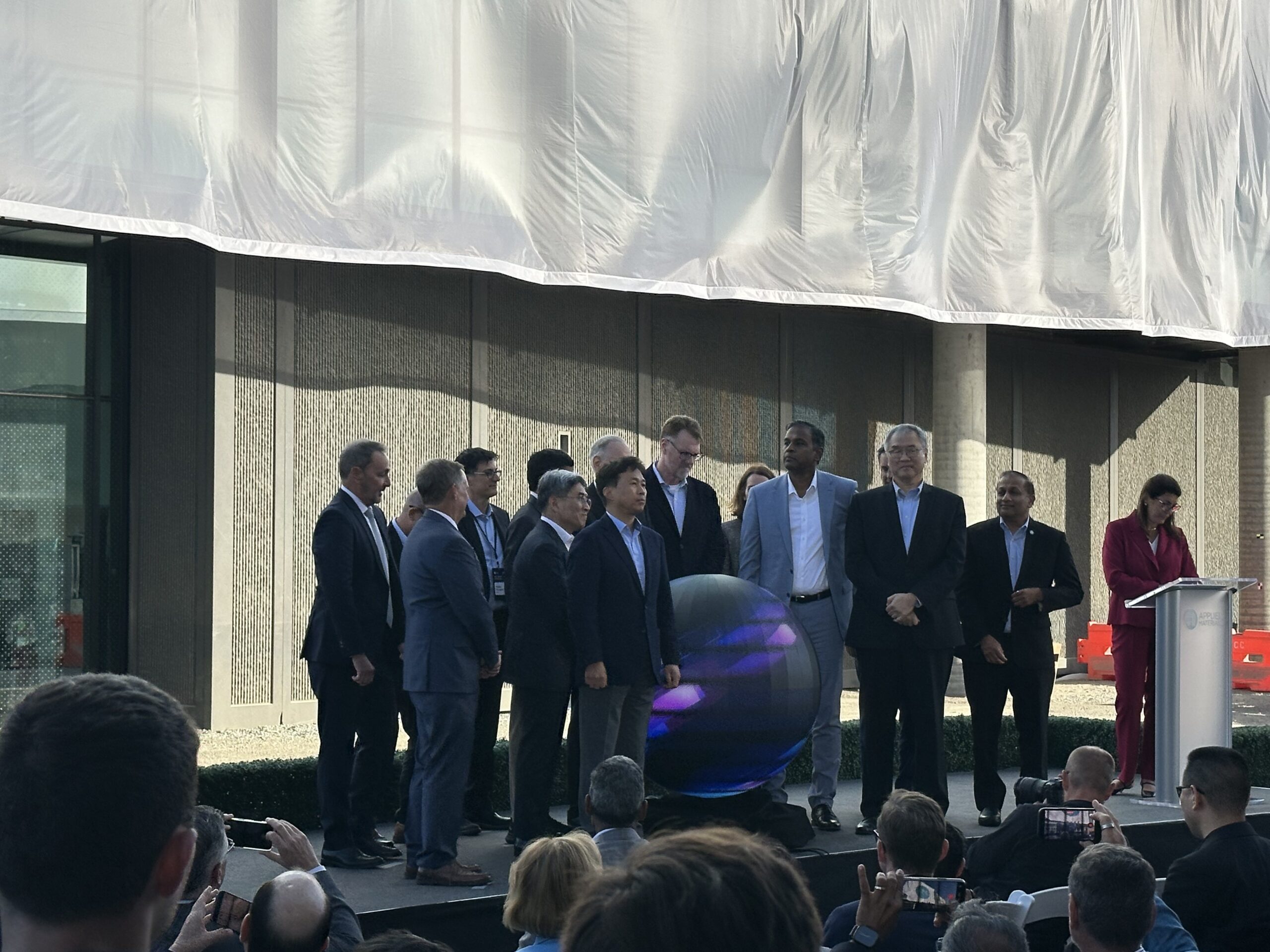
At the OCP APAC Summit in Taiwan, August 11–12, 2026, Applied Materials’ Subi Kengeri framed artificial intelligence as the semiconductor industry’s largest inflection point. AI demand is accelerating the industry toward one trillion dollars in annual revenue, but the keynote’s central message was more consequential than… Read More


Huawei Can’t Shrink Its Chips, So It’s Folding Them