You are currently viewing SemiWiki as a guest which gives you limited access to the site. To view blog comments and experience other SemiWiki features you must be a registered member. Registration is fast, simple, and absolutely free so please,
join our community today!
WP_Term Object
(
    [term_id] => 157
    [name] => EDA
    [slug] => eda
    [term_group] => 0
    [term_taxonomy_id] => 157
    [taxonomy] => category
    [description] => Electronic Design Automation
    [parent] => 0
    [count] => 4441
    [filter] => raw
    [cat_ID] => 157
    [category_count] => 4441
    [category_description] => Electronic Design Automation
    [cat_name] => EDA
    [category_nicename] => eda
    [category_parent] => 0
    [is_post] =>
)
These failings aren’t just a cross we humans bear; they’re also a concern for chips, particularly in electrical over-stress (EOS) and aging of the circuitry. Such concerns are not new, but they are taking on new urgency given the high reliability and long lifetime expectations we have for safety-critical components in cars and… Read More
Publishing eBooks on FPGA Prototyping and Emulation really was an eye opener for me as a long time EDA and IP professional. Both markets are considered EDA in the traditional sense but they are very much in the systems business with a lot of IP. Both markets are also growing very rapidly and operate side-by-side with complimentary… Read More
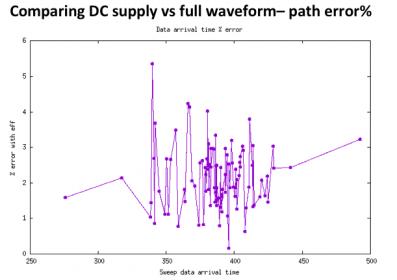
About 6 months ago, ANSYS was approached by a couple of leading mobile platform vendors/suppliers with a challenging problem. These companies were hitting target 2.5GHz performance goals on their (N10 or N7) application processors, but getting about 10% lower yield than expected, which they attributed to performance failures.… Read More
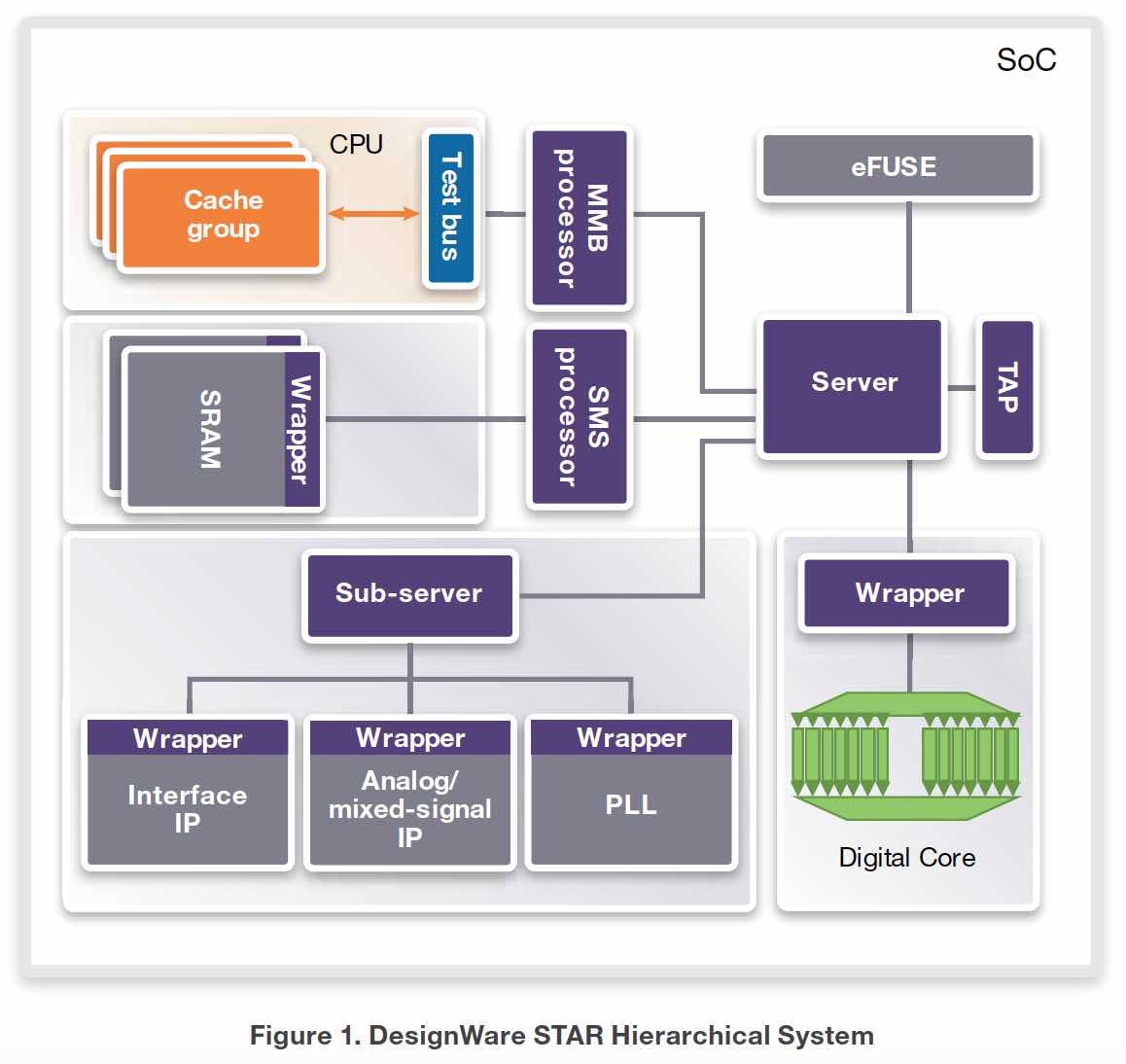
When it comes to safety, ISO 26262 is the spec that comes to mind for many people. However, there are layers of specifications that enable the level of safety required for automotive and other systems that need high reliability. For any application requiring safety, test is a critical element. A key spec for SOC test is IEEE 1500, … Read More
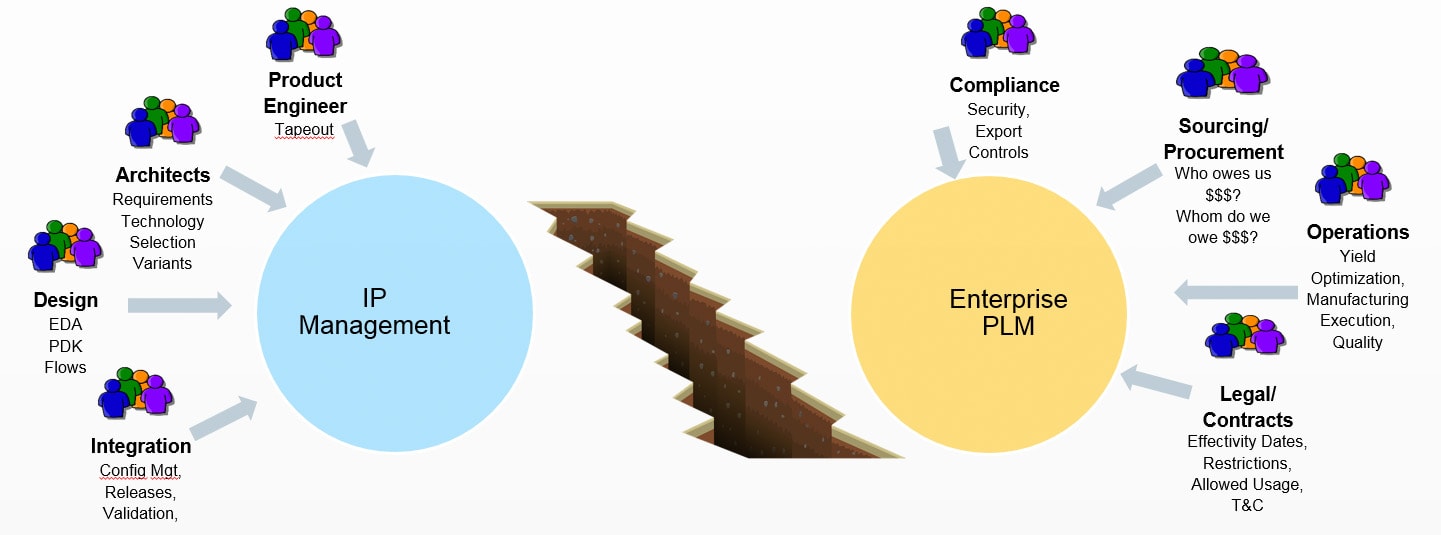
No single EDA company provides all of the tools needed to define requirements, design exploration, track IP, simulate, manage and verify a complex SoC system, so it makes sense that EDA vendors and point tool companies have tools that work together to achieve all of these difficult tasks. Systems design has been around for decades… Read More
During Q&A session at San Jose GTC 2018, nVidia CEO Jen-Hsun Huang reiterated that critical functional safety, such as in autonomous vehicle, requires both the redundancy and the diversity aspects. For example, CUDA with Tensor core and GPU with DLA were both utilized. Safety is paramount to automotive applications. Any… Read More
I recently posted a blog on the first half of a tutorial Synopsys hosted at DVCon (2018). This blog covers the second half of that 3½ hour event (so you can see why I didn’t jam it all into one blog :D. The general theme was on advanced use models, the first half covering use of invariants and induction and views from a Samsung expert on efficient… Read More
At the beginning of every project the one of the first questions that ought to be asked is whether there blocks from previous designs that can be reused. On the surface this seems pretty obvious. The wrinkle in this is that reusability varies a lot based on the design type and the effort that a team is willing to expend to bring a design… Read More
In February this year, the Department of Defense (DoD) submitted a $686.1 billions budget for 2019 and published a National Defense Strategy outlining the overall spending for defense and military programs. The recently signed US $1.3 trillion spending bill included part of the funding. According to DoD Defense Budget Overview… Read More
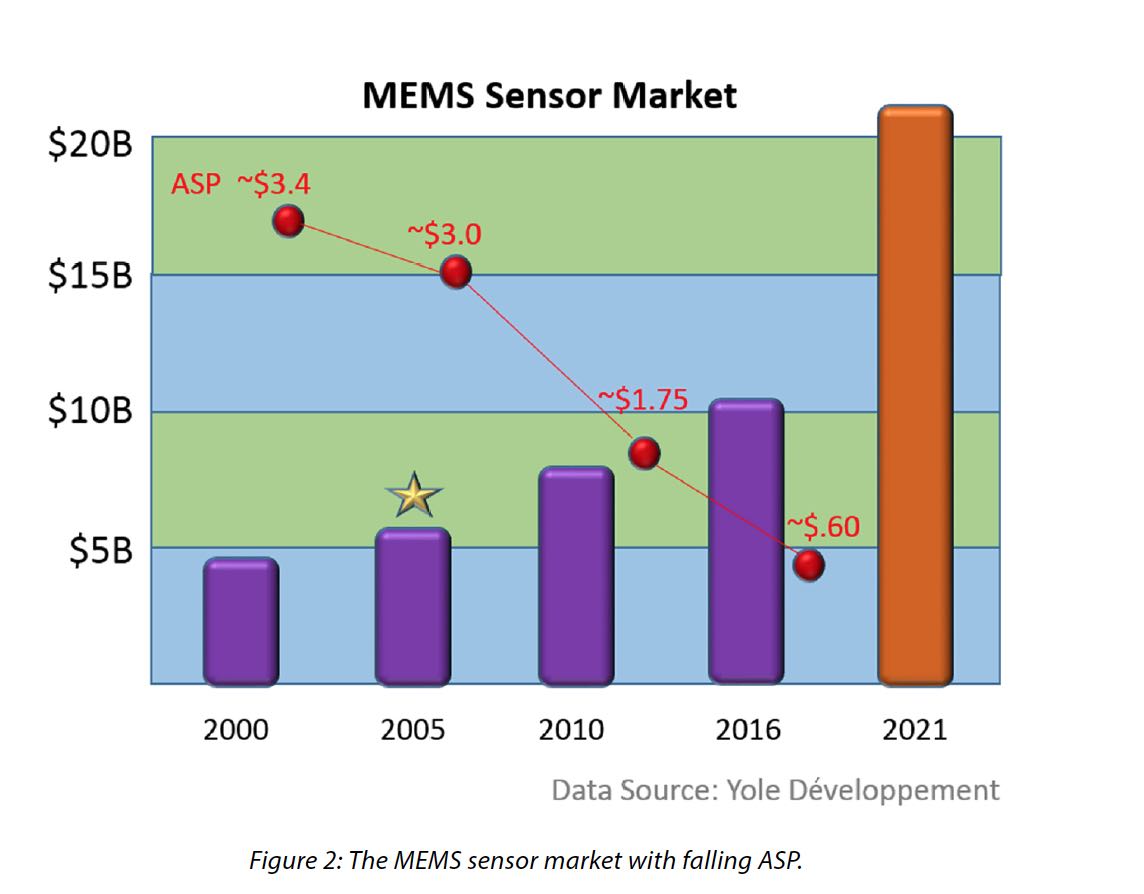
MEMS sensors play a huge role in intelligent systems these days. Mobile and IoT devices would essentially be blind if not for the rich variety of MEMS sensors integrated into them. The MEMS sensor market is growing rapidly, topping $10B in 2016 and slated to exceed $20B by 2020. MEMS is also growing in the RF market, where they are providing… Read More










Musk’s Orbital Compute Vision: TERAFAB and the End of the Terrestrial Data Center