


All semiconductor design work today rests on the three-legged stool of Foundries, EDA Tools and Designers. Close collaboration between the three make possible the successful completion of ever more complex designs, especially those at advanced nodes. Perhaps one of the most critical intersections of all three is during physical… Read More
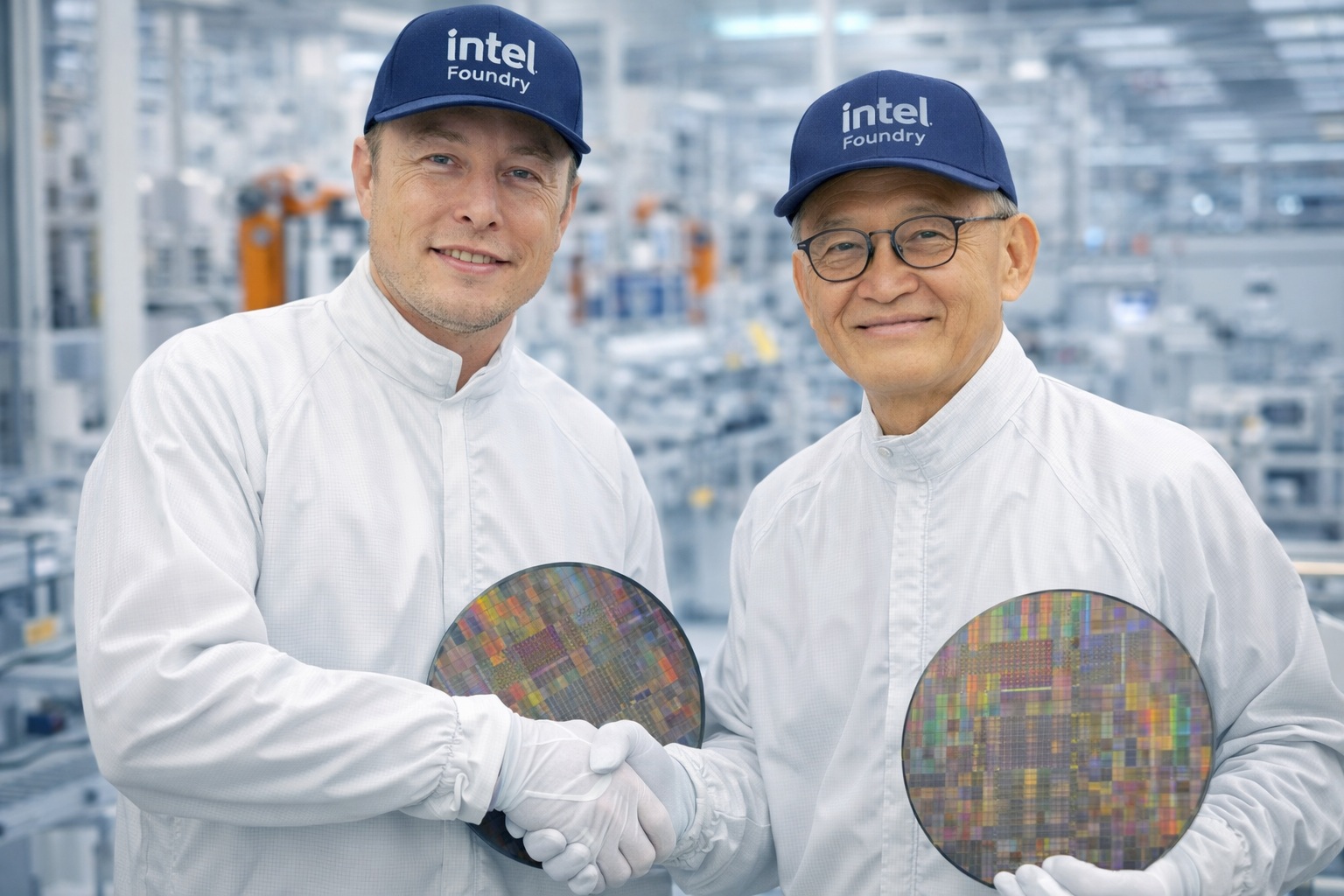
Captain America: Can Elon Musk Save America's Chip Manufacturing Industry?Intel has posted three consecutive years of falling…Read More
WEBINAR: Reclaiming Clock Margin at 3nm and BelowAt 3nm and below, clock networks have quietly…Read More
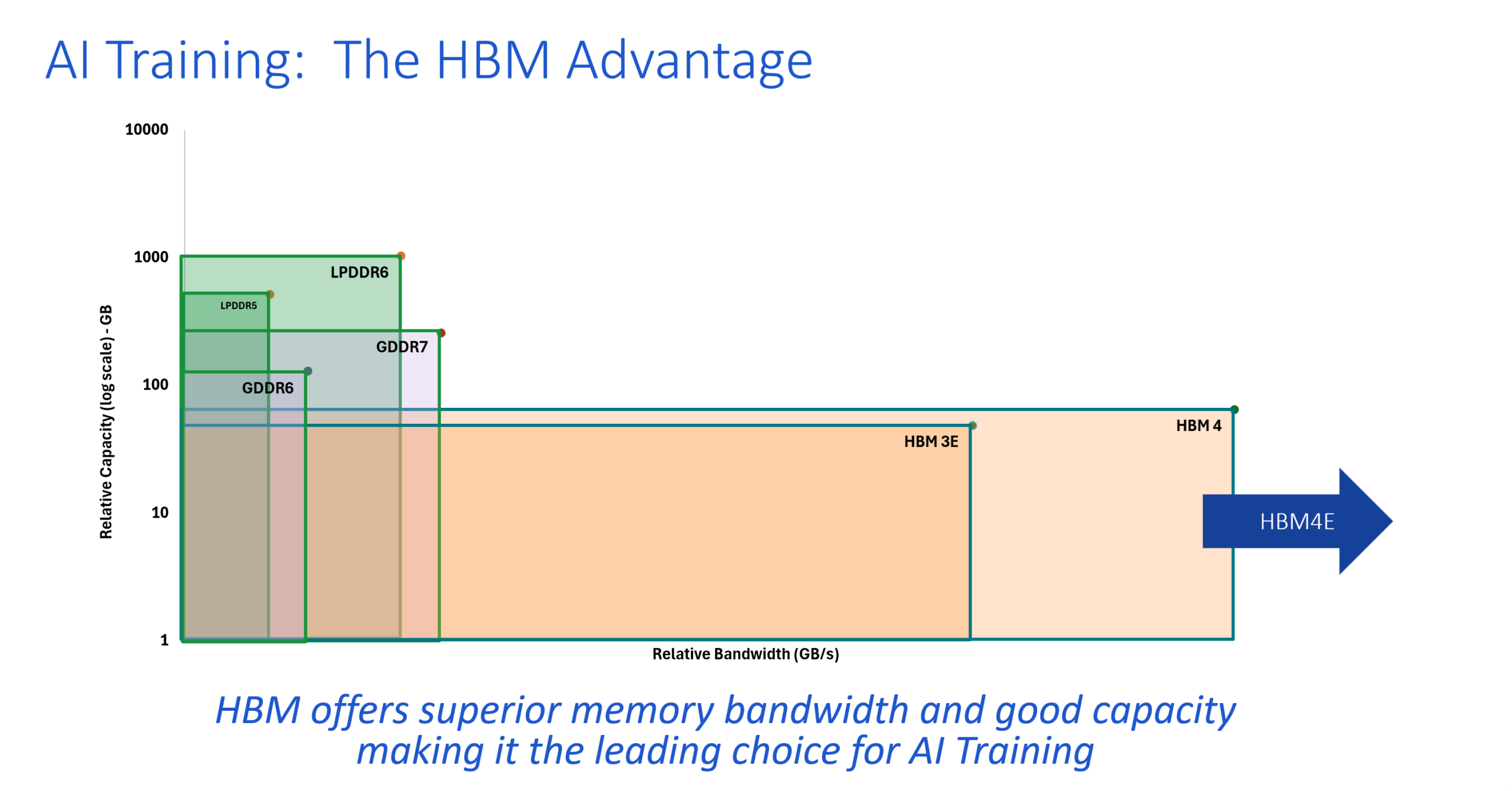
WEBINAR: HBM4E Advances Bandwidth Performance for AI TrainingThe rapid proliferation of LLMs and other AI…Read More
Siemens Wins Best in Show Award at Chiplet Summit and Targets Broad 3D IC Design EnablementThe recent Chiplet Summit in Santa Clara was…Read More
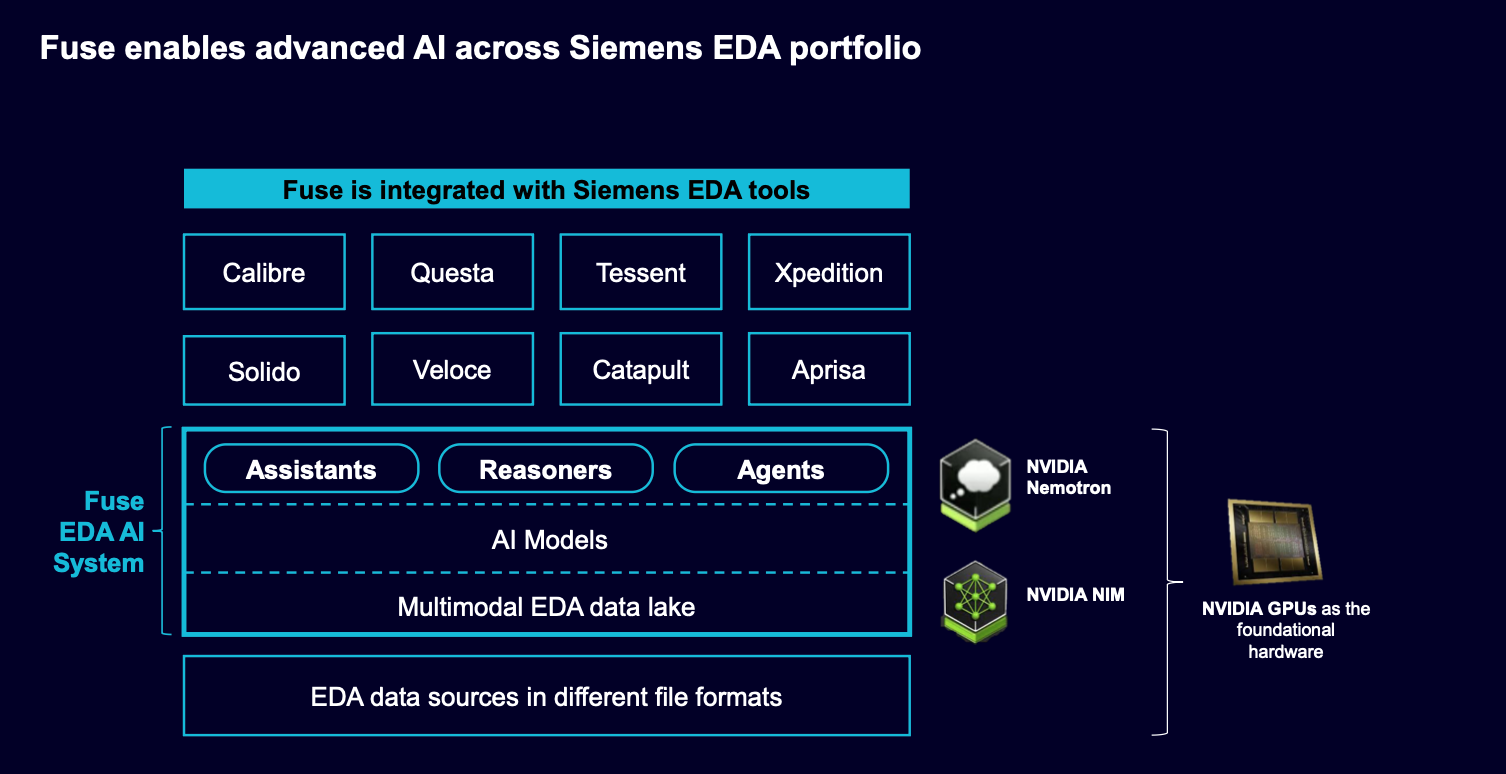
Siemens Fuse EDA AI Agent Releases to Orchestrate Agentic Semiconductor and PCB DesignThough terminology sometimes get fuzzy, consensus holds that…Read MoreIEDM 2020 Starts this Weekend
As I have discussed before, I believe that IEDM is the premier technical conference for understanding leading edge process technologies. Beginning this coming weekend, this year’s edition of IEDM will be held virtually, and I highly recommend attending.
The conference held a press briefing last Monday. The tutorial and short… Read More
Altair Expands Its Technology Footprint with I/O Profiling from Ellexus
Altair is a broad-based technology company with an ambitious vision. As stated on their website: Our comprehensive, open-architecture solutions for data analytics, computer-aided engineering, and high-performance computing (HPC), enable design and optimization for high performance, innovative, and sustainable products… Read More
Smoother MATLAB to HLS Flow
It hard to imagine design of a complex signal processing or computer vision application starting somewhere other than in MATLAB. Prove out the algorithm in MATLAB, then re-model in Simulink, to move closer to hardware. First probably an architectural model, using MATLAB library functions to prove out behavior of the larger system.… Read More
How Line Cuts Became Necessarily Separate Steps in Lithography
Pretty much all the semiconductor nodes in the last two decades have had at least one layer where the minimum pitch pushes the limitation of the state-of-the-art lithography tool, with a k1 factor < 0.5, i.e., the half-pitch is less than 0.5*wavelength/numerical aperture. A number of published reports [1-4] have touched upon… Read More
Verification IP proves essential for PCIe GEN5
PCI Express (PCIe) has become an important communication element in a wide range of systems. It is used to connect networking, storage, FPGA and GPGPU boards to servers and desktop systems. It has progressed a long way from its initial parallel bus format. Its evolution to a serial point to point configuration has been accompanied… Read More
The Practitioners View of DAC – Design, IP and Embedded
Next year will mark the 58th year for the Design Automation Conference. It’s hard to wrap your head around the fact this event dates back to 1964, when rock ‘n roll was new, cars were big and computers were even bigger. In its early days, the event was called the Design Automation Workshop. Pictured above is the cover of the very first… Read More
How Intel Stumbled: A Perspective from the Trenches
Bloomberg did an interview with my favorite semiconductor analyst Stacy Rasgon on “How the Number One U.S. Semiconductor Company Stumbled” that I found interesting. Coupled with the Q&A Bob Swan did at the Credit Suisse Annual Technology Conference I thought it would be good content for a viral blog.
Quantum Internet Explained
Building a quantum internet is a key ambition for many countries around the world, such a breakthrough will give them competitive advantage in a promising disruptive technology, and opens a new world of innovations and unlimited possibilities.
Recently the US Department of Energy (DoE) published the first blueprint of its… Read More
The Future of Connected Car Advertising
“Ads definitely work, but we can’t tell you how or why or give you any evidence,” – Tim Hwang, research fellow, Georgetown Center for Security and Emerging Technology
Two recent episodes of the Freakonomics Radio podcast tackle the question “Does advertising actually work?” and they coincided with a presentation… Read More


Chemical Origins of Environmental Modifications to MOR Lithographic Chemistry