




In the back-and-forth competition between Samsung and Apple, the Galaxy S7 certainly seems to have notched a few wins over the iPhone 6S. Most reviewers feel the Samsung camera is noticeably superior and the overall look and feel is on a par with or better than the Apple product. I want to focus on just one area where Samsung differs… Read More
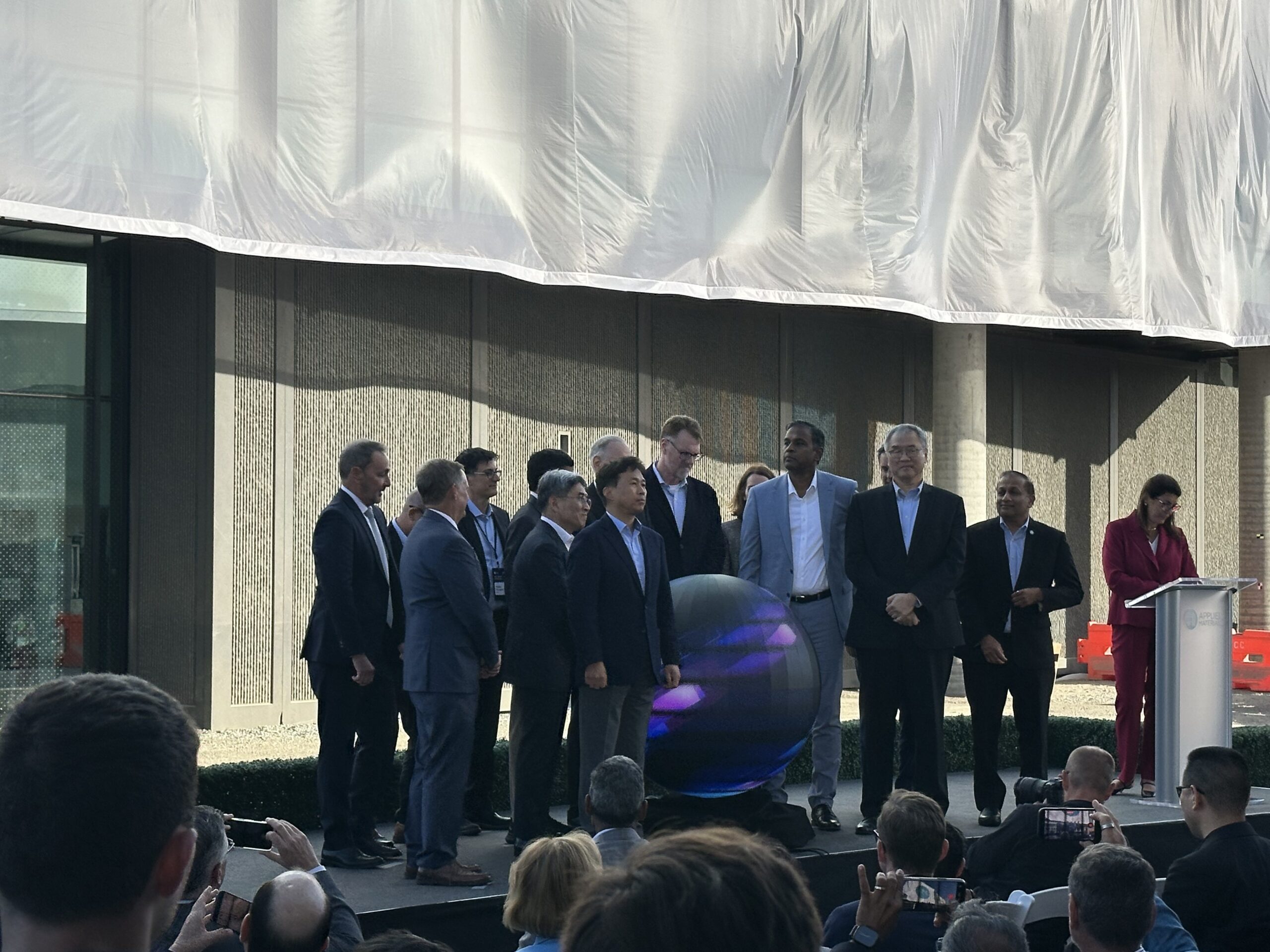 The Industry Challenge: AI Is Forcing Semiconductor Innovation Beyond the ChipApplied Materials President and CEO Gary Dickerson with…Read More
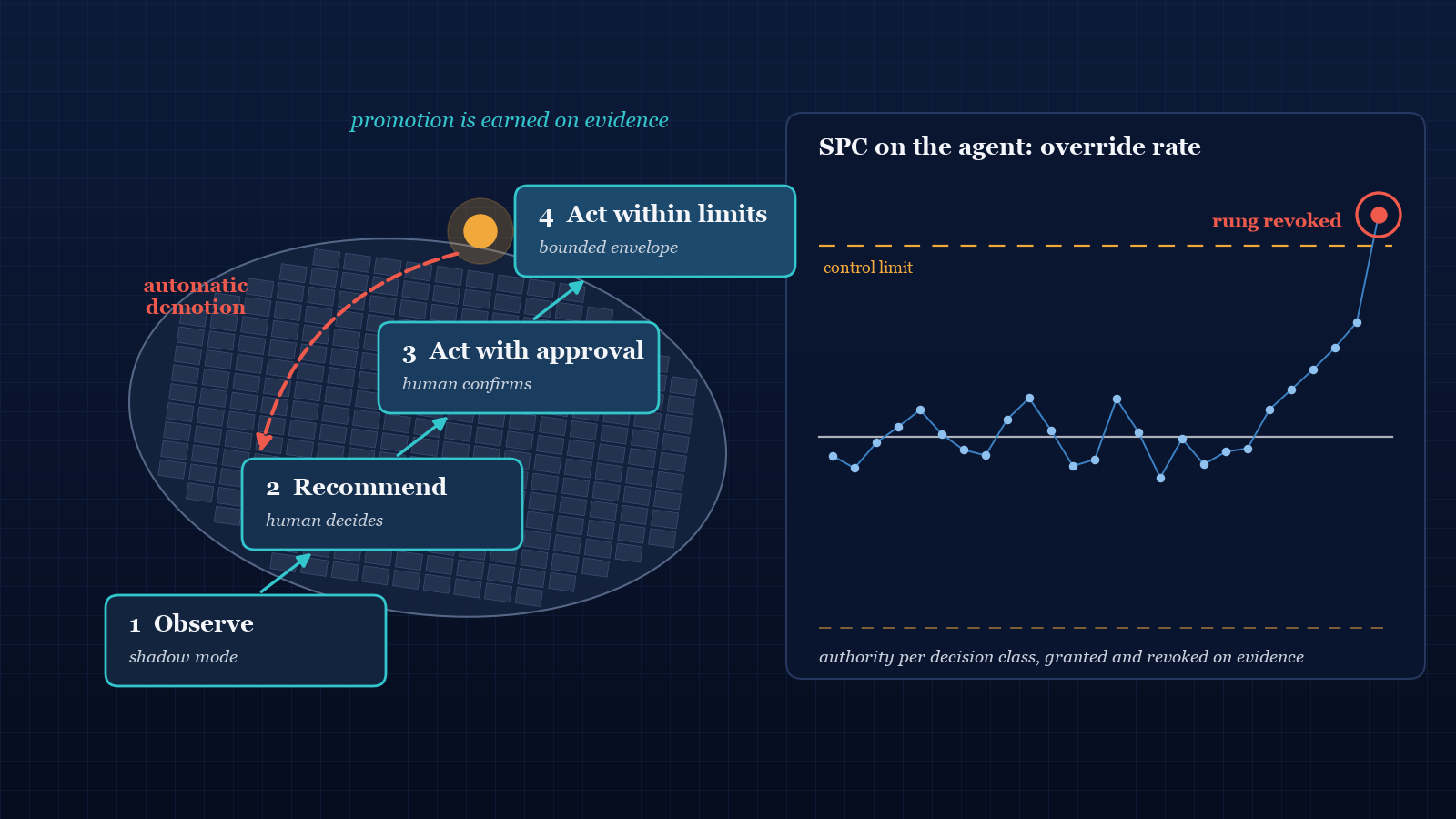 Who Gets to Move the Recipe? How Autonomous Agents Earn Decision Authority in the Fab Autonomy is granted per…Read More
 Sir Arthur C. Clarke Deserves a Nobel PrizeBy Richard Curtin Ever since the Silicon Catalyst…Read More
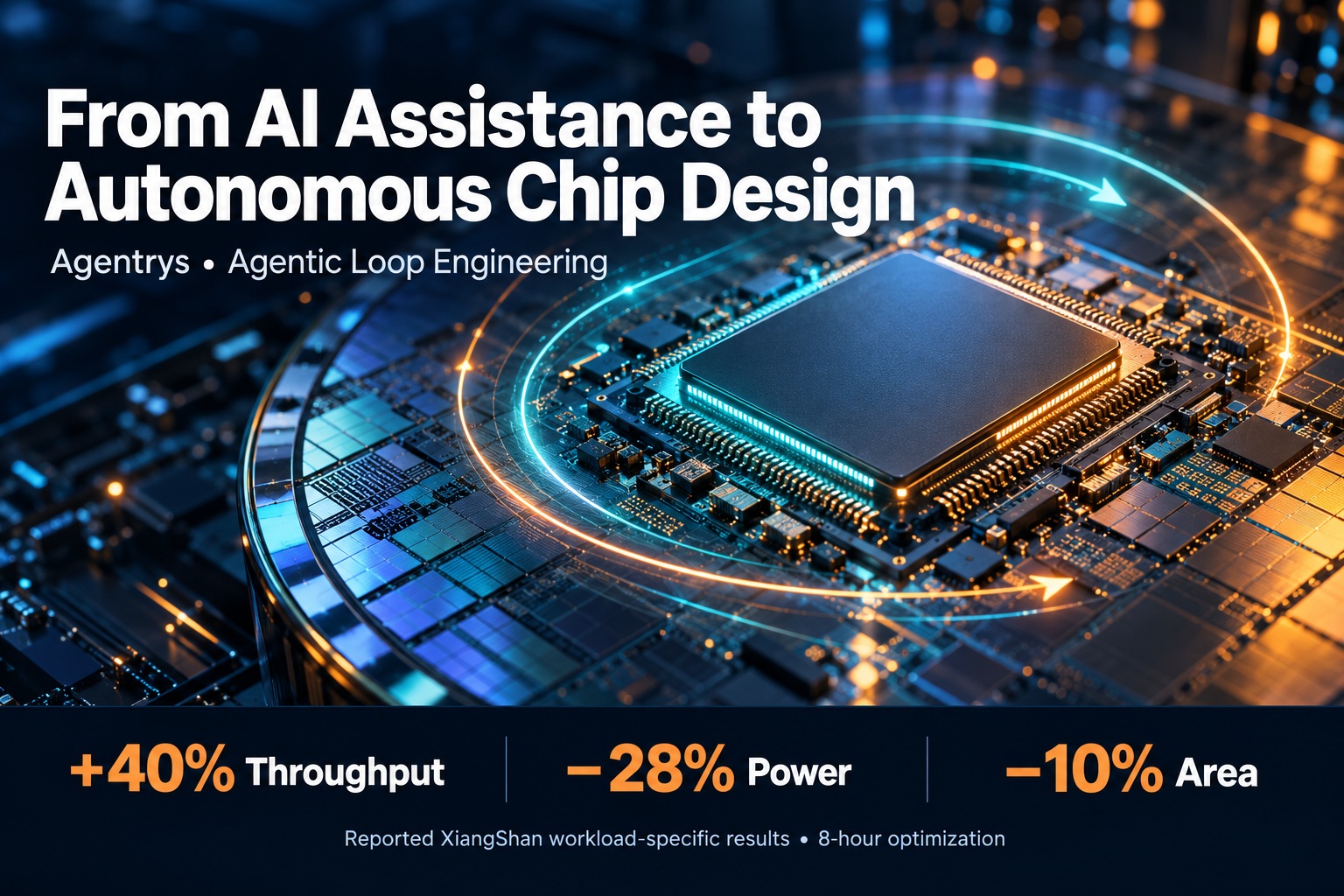 Moving Beyond AI-Assisted Design – Agentrys Shows the Way with Agentic Loop EngineeringAt Hot Chips 2026, OpenAI presented Jalapeño, an…Read More
 Rethinking Phase Jitter: An Algorithmic Approach to Signal IntegrityByline: Richard Shreiner Modern semiconductor architectures are pushing…Read More
RISC-V opens for business with SiFive Freedom
When we talk about open source, free usually comes in the context of “freedom”, not as in “free beer”, and open IP often serves as a base layer of value add for commercialization. The creators of the RISC-V instruction set, now working at startup SiFive, have released specifications for their aptly-named Freedom processor IP cores… Read More
How to Bring Coherency to the World of Cache Memory
As the size and complexity of System On Chip design has rapidly expanded in recent years, the need to use cache memory to improve throughput and reduce power has increased as well. Originally, cache memory was used to prevent what was then a single processor from making expensive off chip access for program or data memory. With the… Read More
Mainstream PCB Design Requires a Complete Tool Platform, Too

The EDA tool offerings for printed circuit board design commonly address one of three customer markets: (1) the enterprise design team, (2) the product development engineer, and (3) the “maker”. … Read More
Car Sharing, Ride Hailing on Collision Course
Do car makers know what they are getting themselves into with car sharing? Car companies are lacing up their skates and venturing out on the thin ice of car sharing. General Motors’ Maven, with fledgling efforts in New York City and Ann Arbor, Mich., is the latest incarnation of this movement. The movement is pervasive and growing… Read More
NTSB Entry Raises the Stakes of Tesla Probe
The National Transportation Safety Board’s entry into the investigation of the first fatal crash of a Tesla Model S is a monumental turning point in the autonomous driving movement. While long-time observers of the NTSB note that it only gets involved in investigations where broader implications exist, the agency’s interest… Read More
Hacking Your Way Across the Chasm
Geoffrey Moore’s “Crossing the Chasm” remains one of the most useful and widely read business books within the high-technology business. I say this not only because I spent a decade of my life working with Geoffrey and the rest of The Chasm Group as a consultant, but also because to this day, I have yet to find another book that is so … Read More
When will Intel strike back?
Stocks will likely be flattish on reduced news (KLAM, AMAT, UTEK, INTC, ASML & Hermes). From a Wall St perspective, this year will likely be one of the quietest Semicons in a while as all three major players, AMAT, LRCX & KLAC have no scheduled investor events. … Read More
Are Smart things making us smarter?
Nowadays, we don’t have to learn how to drive a car well because there are systems (automated braking, monitoring, etc.) in the car that is taking care of many things without our knowledge. We don’t have to remember whether we have switched off the lights before leaving the house. The smart home automation system will switch off the… Read More
Artificial Intelligence is Everything!
My first brush with AI was a LISP class for my undergraduate degree. LISP, originated from MIT in 1958, was the language of choice for AI research and spawned a new class of computer hardware called LISP Machines in the 1980s. My first personal experience with AI was the HAL 9000 system from the 2001 Stanley Kubrik movie Space Odyssey.… Read More
ChipAgent Raises $134Million and Why it Matters