You are currently viewing SemiWiki as a guest which gives you limited access to the site. To view blog comments and experience other SemiWiki features you must be a registered member. Registration is fast, simple, and absolutely free so please,
join our community today!
WP_Term Object
(
    [term_id] => 157
    [name] => EDA
    [slug] => eda
    [term_group] => 0
    [term_taxonomy_id] => 157
    [taxonomy] => category
    [description] => Electronic Design Automation
    [parent] => 0
    [count] => 4441
    [filter] => raw
    [cat_ID] => 157
    [category_count] => 4441
    [category_description] => Electronic Design Automation
    [cat_name] => EDA
    [category_nicename] => eda
    [category_parent] => 0
    [is_post] =>
)
There is a bit of nostalgia here since ClioSoft was one of the first companies that we (SemiWiki) worked with 7 years ago. Back then it was hard for an emerging EDA company to get noticed by the mainstream media much less collaborate with them. Since then we have published 80 blogs with ClioSoft that have garnered more than 350,000 views.… Read More
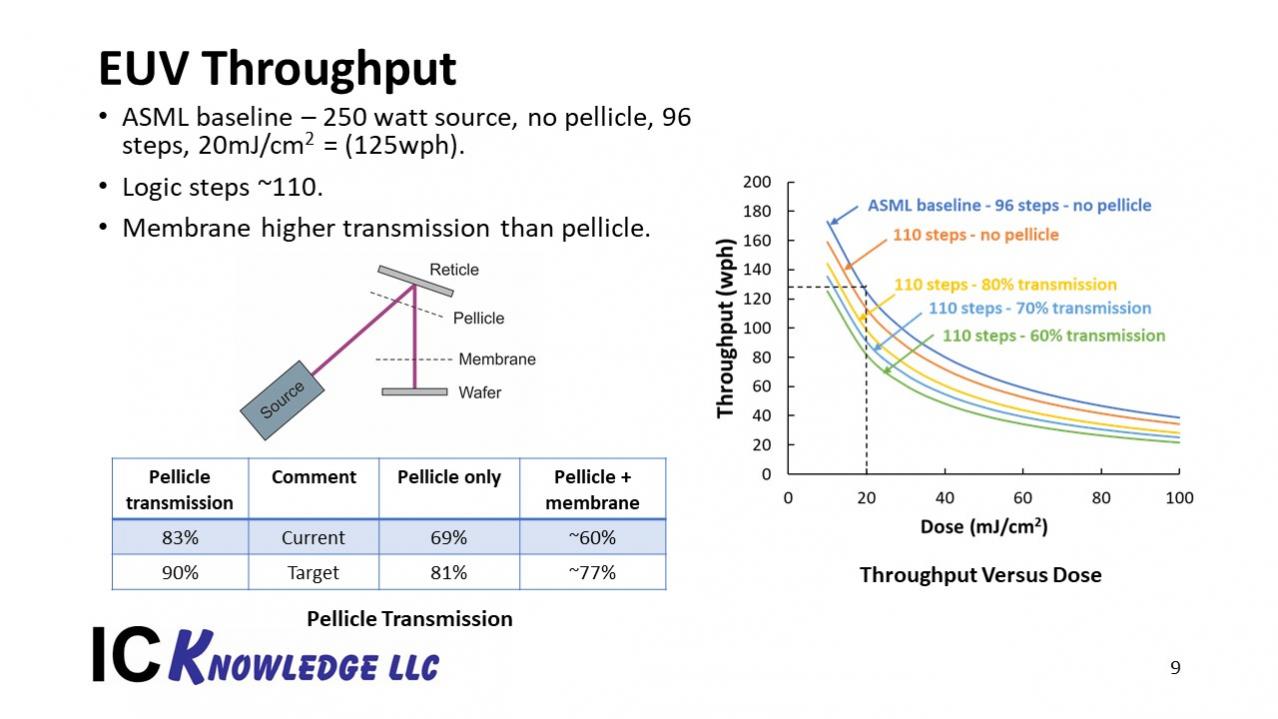
This year the Advanced Lithography Conference felt very different to me than the last couple of years. I think it was Chris Mack who proclaimed it the year of Stochastics. EUV has dominated the conference for the last several years but in the past the conversation has been mostly centered on the systems, system power and uptime.
I … Read More
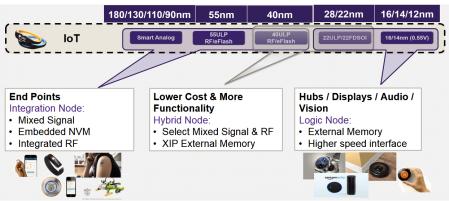
The projected revenue growth rate for IoT electronics remains strong, across a wide range of applications – e.g., visual object identification, voice recognition, machine automation, health and fitness applications, environmental and energy controls. A key component of these designs is the analog-to-digital conversion… Read More
Design process retargeting is acommon recurrence based on scaling orBOM(Bill-Of-Material) cost improvement needs. This occursnot only with the availability of foundry process refresh to a more advanced node,but also to any new derivative process node tailored towards matching design complexity, power profile or reliability… Read More
Formal methods are a vital complement to other tools in the verification arsenal, but they’re not without challenges. One of the more daunting is the “inconclusive” result – that case where the tool seems to be telling you that it simply gave up trying to figure out if a particular assertion is true or false. Compounding the problem,… Read More
I remember meeting John Durbetaki at Intel where we both worked in 1980, it was an exciting time and something called the Personal Computer had just been introduced by companies like Commodore, Apple and Radio Shack (yes, Radio Shack). IBM was rather late to the party with their PC in 1981, however when IBM entered the market then … Read More
We (SemiWiki) have been working with Fractal for close to five years now publishing 25 blogs that have garnered more than 100,000 views. Generally speaking QA people are seen as the unsung heroes of EDA since the only time you really hear about them is when something goes wrong and a tapeout is delayed or a chip is respun.
FinFETs really… Read More
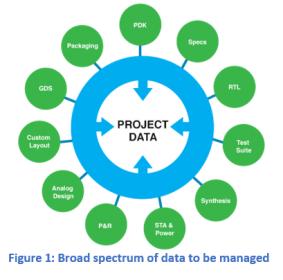
Software configuration management (SCM) has been around for a long time with commercial SCM offerings such as ClearCase and Perforce and public domain mainstays such as CVS and Subversion. Similarly, over the last two decades we’ve seen a big uptake in the adoption of hardware configuration management (HCM) methodologies driven… Read More
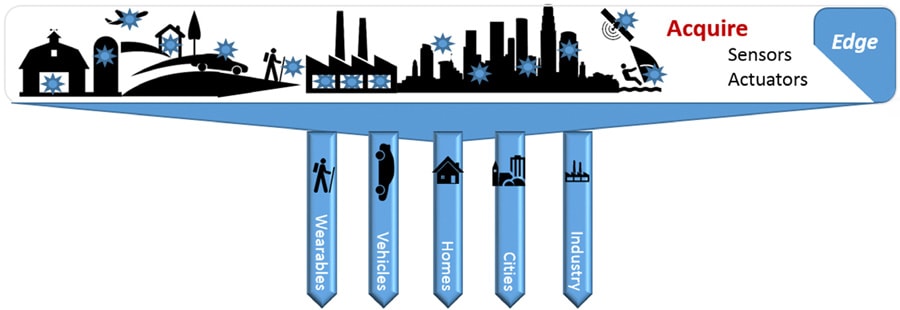
The IoT market opportunities in segments like wearables, vehicles, home, cities and industrial are all growing thanks to the combination of semiconductors, sensors, software and systems technology. New hardware designs for IoT edge devices appear on a daily basis, and the companies behind these new products can often be start-ups… Read More
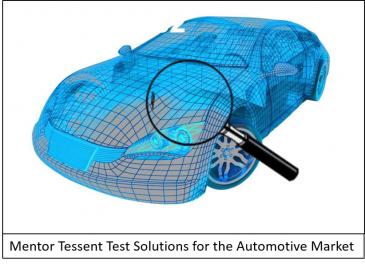
The automotive industry continues push the limits on how “smart” we can make our vehicles and from that, it follows as to how smart we can make the electronics in the vehicles. When I think of smart cars (and smart automotive ICs) I typically think of things like advanced driver-assistance systems (ADAS) that use AI and neural networks… Read More









Musk’s Orbital Compute Vision: TERAFAB and the End of the Terrestrial Data Center