



Lip-Bu Tan has always been an engaging speaker, sharing his extensive experience, insights, and perspectives on a wide range of topics across the semiconductor ecosystem. His interview with investor Gavin Baker at the TomorrowX Summit in Austin, Texas, is an excellent example and definitely worth a listen.
Here are my key takeaways:
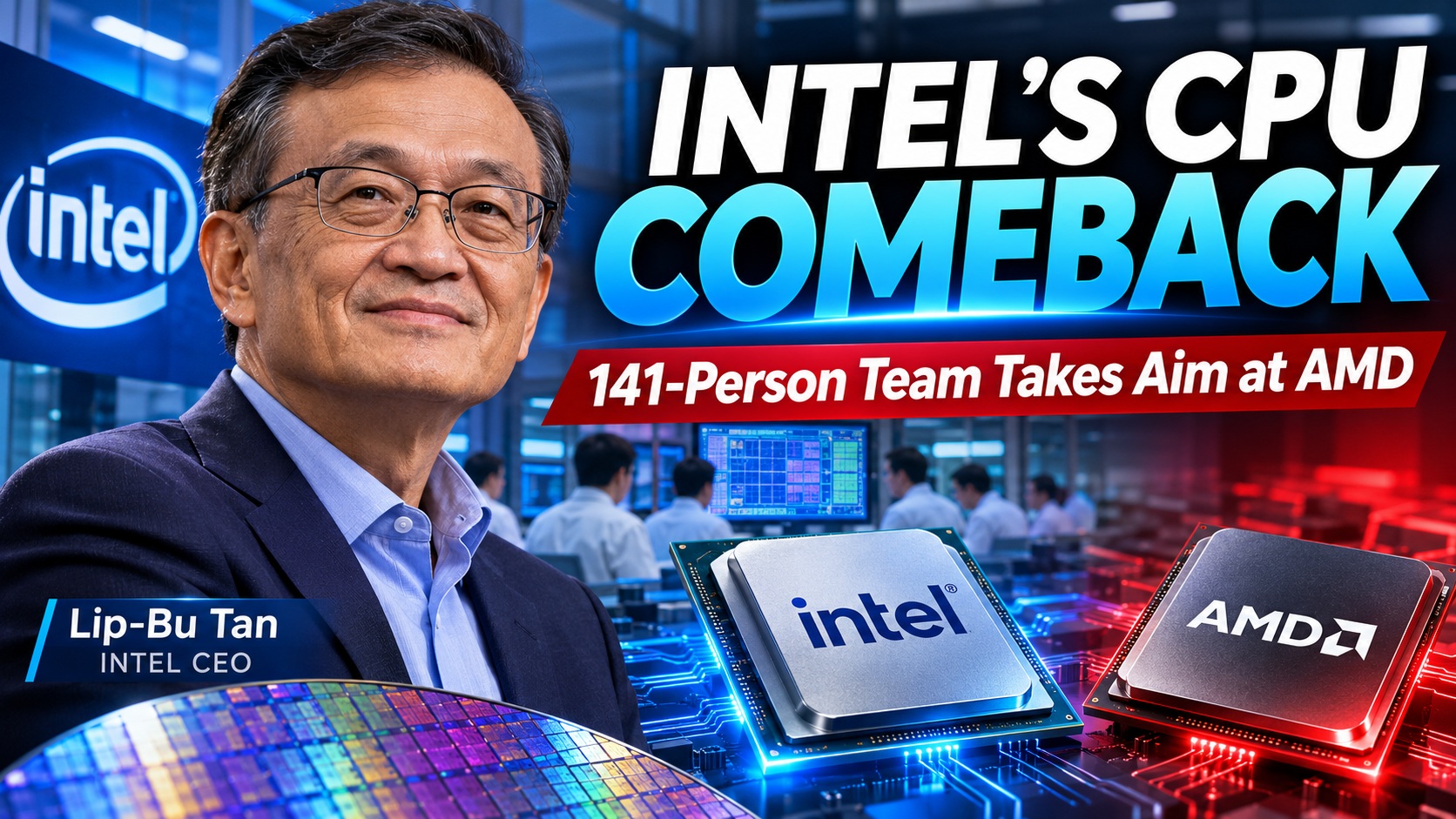
Intel CEO Lip-Bu Tan has revealed that the semiconductor giant has assembled a dedicated team of 141 engineers and CPU architects to reclaim its technological leadership from Advanced Micro Devices (AMD), marking a significant step in the company’s ambitious turnaround strategy.
The initiative comes as Intel faces mounting competition in the processor market, particularly in the rapidly expanding data center and artificial intelligence sectors.
Intel Prioritizes CPU Leadership
The Intel CEO acknowledged that the company had lost its previous leadership position in the CPU market and emphasized that developing highly competitive processors remains his top priority.
Tan also praised AMD CEO Lisa Su for successfully transforming the rival chipmaker into a major semiconductor competitor. He acknowledged that Su had a substantial head start in her turnaround efforts, while he had been leading Intel for approximately 18 months.
The newly formed engineering group is expected to strengthen Intel’s processor design capabilities and accelerate the development of future CPU architectures.
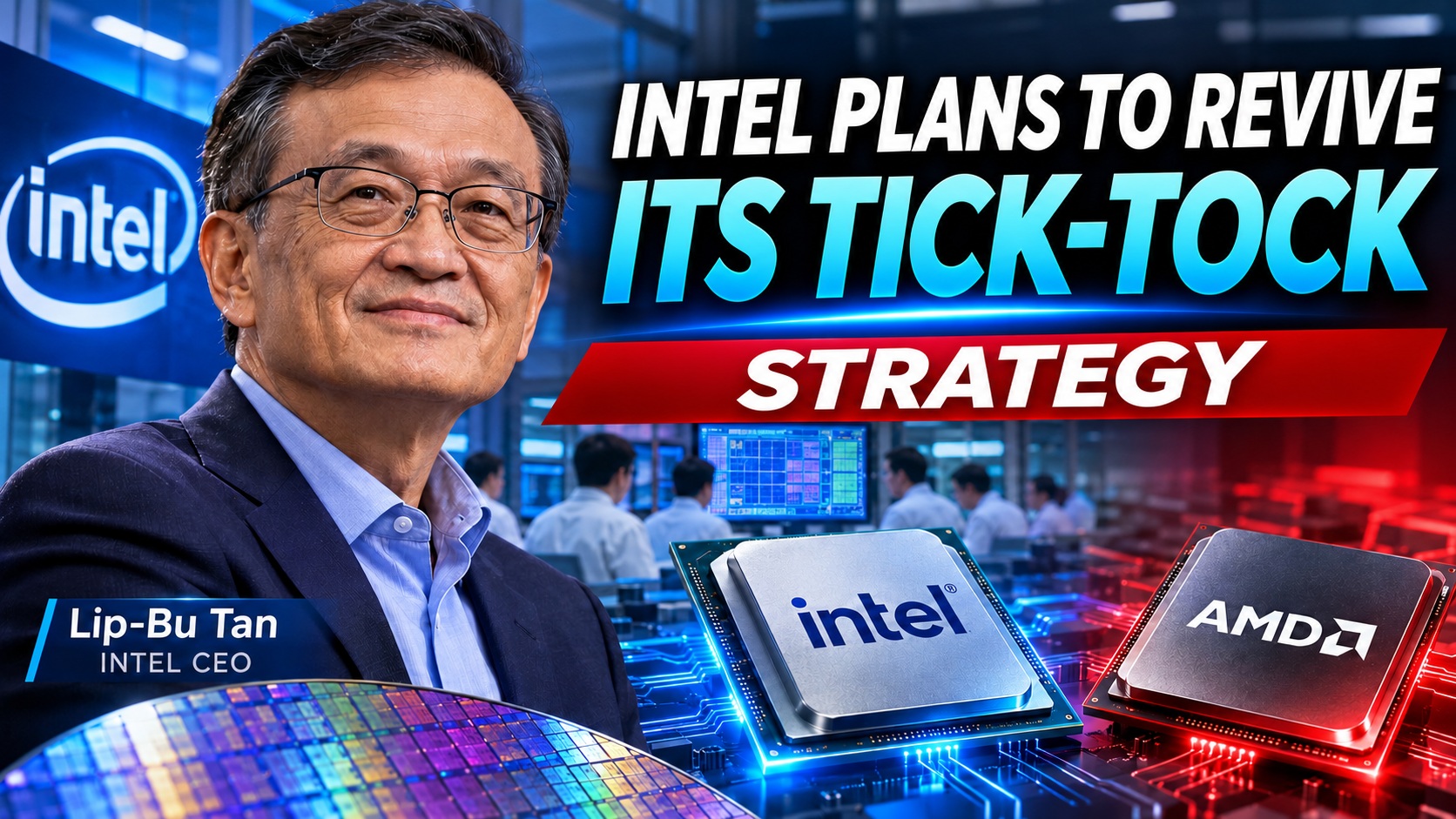
Intel Plans to Revive Its Tick-Tock Strategy
Tan intends to restore a modified version of Intel’s historical tick-tock development strategy, which previously helped the company maintain its competitive advantage through regular technological improvements.
Unlike Intel’s original approach, which alternated between manufacturing process improvements and architectural upgrades, the proposed strategy would involve alternating development efforts between separate internal and external architecture teams.
The organizational restructuring could help Intel accelerate product development, encourage engineering innovation and reduce its dependence on a unified architecture development model.
Intel is also adopting a more customer-focused strategy by offering greater processor customization, particularly for its Xeon server products, to meet the specialized computing requirements of major customers.
Agentic AI Could Drive Explosive CPU Market Growth
Tan believes the emergence of agentic artificial intelligence could significantly increase demand for server processors over the coming years.
The Intel CEO projected that the server CPU market could expand from approximately $40 billion to more than $200 billion within five years.
Although graphics processing units have dominated much of the AI infrastructure boom, CPUs remain essential for coordinating workloads, managing data and supporting numerous enterprise computing applications.
Intel is developing next-generation server processor families, including Diamond Rapids and Coral Rapids, as it attempts to capture a larger share of this potential market opportunity.
Can Intel Reclaim Its Semiconductor Crown?
Despite its ambitious strategy, Intel faces considerable challenges. AMD has established a strong position in the server processor market, while major cloud computing companies are increasingly developing their own customized silicon.
AMD’s relationship with TSMC is also worth noting. In my 30-plus years of working with TSMC, I have never seen anything quite like it. AMD effectively enjoys many of the benefits of being an integrated device manufacturer (IDM) without the massive capital expenditures associated with owning and operating semiconductor fabrication facilities.
To counter this advantage, Intel must deliver competitive performance, improved energy efficiency, manufacturing reliability, and timely product launches to regain customer confidence and restore its technological leadership.
The creation of the 141-person CPU development team signals Tan’s determination to restore Intel’s engineering competitiveness and strengthen its position in the global semiconductor industry.
Bottom line: The ultimate success of this initiative will depend on Intel’s ability to translate its renewed engineering focus into commercially successful processors capable of challenging AMD’s increasingly competitive product portfolio. But as I’ve said many times before, never bet against Lip-Bu Tan. He gets things done. Absolutely.
Also Read:
Intel Foundry: How Better Power Delivery Could Unlock More AI Performance
Why Intel’s EMIB Matters for Microsoft Azure
Intel’s Tiny Bridges Could Lead to Very Big Paychecks
Share this post via:


Comments
There are no comments yet.
You must register or log in to view/post comments.