You are currently viewing SemiWiki as a guest which gives you limited access to the site. To view blog comments and experience other SemiWiki features you must be a registered member. Registration is fast, simple, and absolutely free so please,
join our community today!
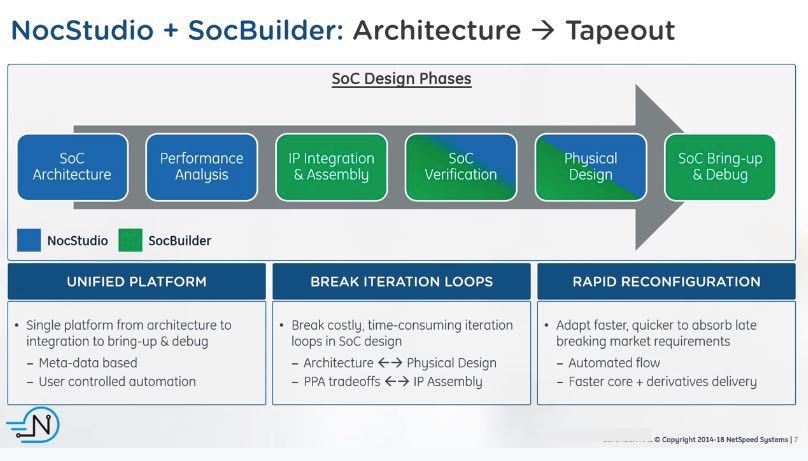
A large part of the effort in designing SOCs has shifted to the integration of their constituent IP blocks. Many IP blocks used in SOCs come as ready to use components and the real work has become making them work together. Network on Chip (NoC) has been a huge help in this task, handling the interconnections between blocks and planning… Read More
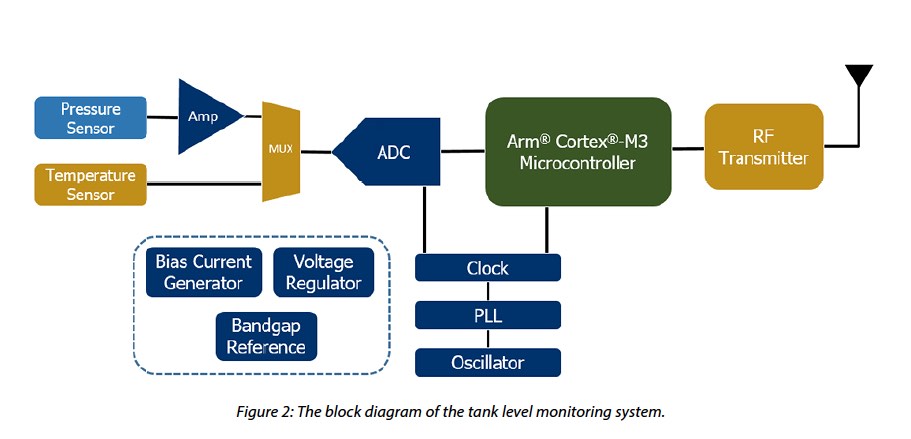
The phrase “where the rubber meets the road” is especially apt when it comes to discussions about the Internet of Things. The obvious interpretation is that dissimilar things are being put together in a mutually dependent fashion. When I hear the phrase I always think of the things that can go wrong, such a tire sliding instead of … Read More
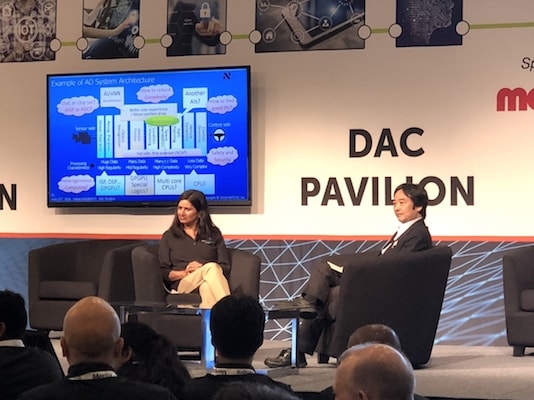
DAC is where both sides of the design equation come together for discussion and learning. This is what makes attending DAC discussion panels so interesting; you are going to hear from providers of tools, methodologies and IP as well as those who need to use them to deliver working solutions. There are few places where the interplay… Read More
During the design cycle as tape out approaches, time pressure usually goes up dramatically. To make matters worse the design itself is much larger, because all the block level work is done and there is a requirement to work with the entire database. It feels like it’s time to put aside the garden trowel and start using a steam shovel.… Read More
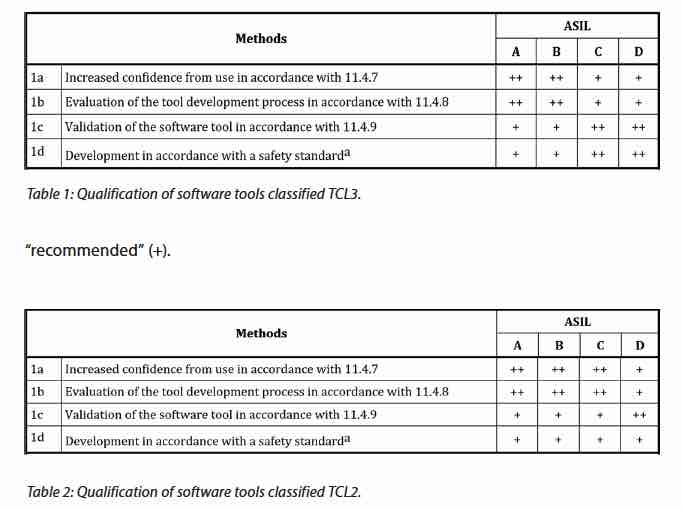
In the field of automotive electronics, the year 2011 was a long time ago. So, it is about time that the initial ISO 26262 specification that was adopted back then gets an update. The latest version will be known as ISO26262:2018 and will expand the scope of the original to cover more types of vehicles. It will add an entire section on… Read More
At the beginning of every project the one of the first questions that ought to be asked is whether there blocks from previous designs that can be reused. On the surface this seems pretty obvious. The wrinkle in this is that reusability varies a lot based on the design type and the effort that a team is willing to expend to bring a design… Read More
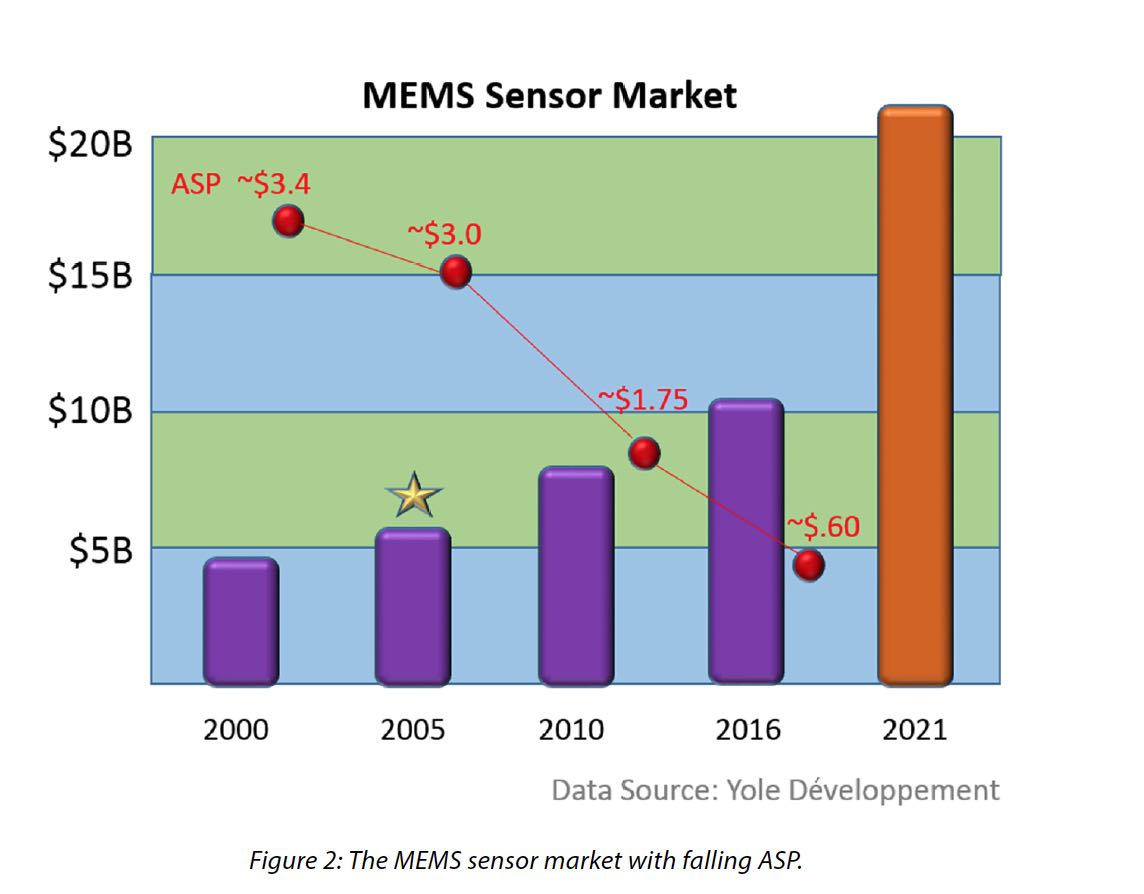
MEMS sensors play a huge role in intelligent systems these days. Mobile and IoT devices would essentially be blind if not for the rich variety of MEMS sensors integrated into them. The MEMS sensor market is growing rapidly, topping $10B in 2016 and slated to exceed $20B by 2020. MEMS is also growing in the RF market, where they are providing… Read More
I attend a lot of events on machine learning and write about it regularly. However, I learned some exciting new information about machine learning in a very surprising place recently. Every year for the last few years I have attended the HSPICE SIG dinner hosted by Synopsys in Santa Clara. This event starts with a vendor fair featuring… Read More
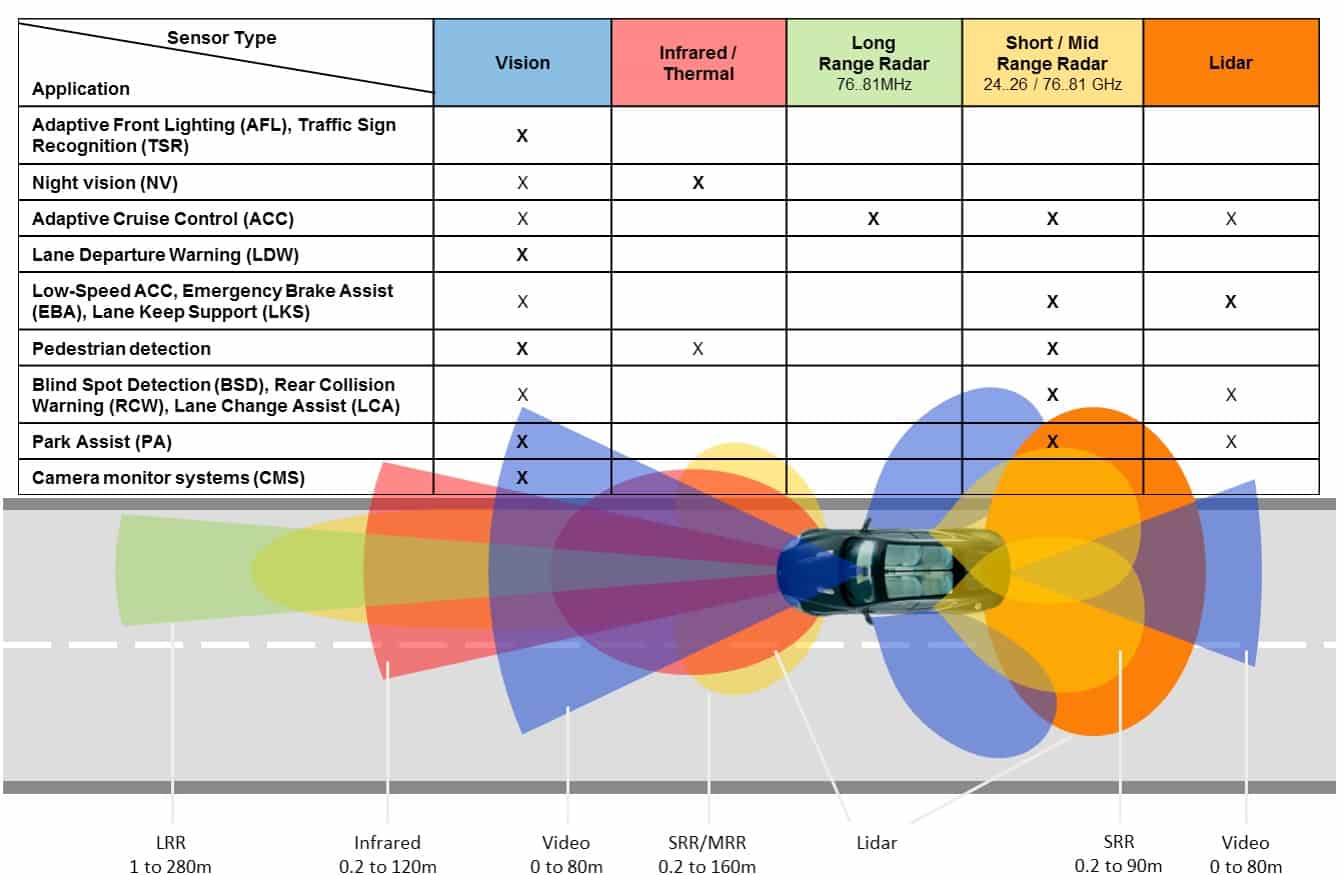
The automotive industry has a history of bringing about disruptive technological advances. One only needs to look at the invention of the assembly line by Henry Ford to understand the origins of this phenomenon. Today we stand on the brink of a massive change in how cars operate and consequently how they are built. A number of automotive… Read More
When working on an analog design, after initial design specs have been met, it is useful to determine if the design meets specs out to 3 or 4 sigma based on process variation. This can serve as a useful step before going any further. It might not be a coincidence that foundries base their Cpk on 3-sigma. To refresh, Cpk is the ratio of the… Read More