WP_Term Object
(
    [term_id] => 13
    [name] => Arm
    [slug] => arm
    [term_group] => 0
    [term_taxonomy_id] => 13
    [taxonomy] => category
    [description] =>
    [parent] => 178
    [count] => 401
    [filter] => raw
    [cat_ID] => 13
    [category_count] => 401
    [category_description] =>
    [cat_name] => Arm
    [category_nicename] => arm
    [category_parent] => 178
    [is_post] =>
)

WP_Term Object
(
    [term_id] => 13
    [name] => Arm
    [slug] => arm
    [term_group] => 0
    [term_taxonomy_id] => 13
    [taxonomy] => category
    [description] =>
    [parent] => 178
    [count] => 401
    [filter] => raw
    [cat_ID] => 13
    [category_count] => 401
    [category_description] =>
    [cat_name] => Arm
    [category_nicename] => arm
    [category_parent] => 178
    [is_post] =>
)
Most SoC designs these days consist largely, but not entirely, of purchased IP blocks. But there are lots of tradeoffs involved in selecting IP blocks, and since those tradeoffs change with process node, even decisions that seem “obvious” based on the last generation of the design, may not be so clear cut. Even if you… Read More
The last session of the day for Linley Mobile was about processors to go into smartphones. One surprise was that there is a core that nobody seems to have heard of since it is only really used in Taiwan up until now, and it is used in several Mediatek chips.
The most “glamorous” processor in a smartphone is the one in the application… Read More
TSMC announced today that together with ARM they have taped out the first ARM Cortex-A57 64-bit processor on TSMC’s 16nm FinFET technology. The two companies cooperated in the implementation from RTL to tape-out over six months using ARM physical IP, TSMC memory macros, and a commercial 16nm FinFET tool chain enabled by… Read More
ARM announced today that Warren East, the CEO, would be retiring at the end of June. The new CEO will be Simon Segars, currently President of ARM and the de facto #2 guy. Currently Simon is based in the US and I don’t know if he plans to return to Britain or not. But he will live what will inevitably be a lifestyle that involves crossing… Read More
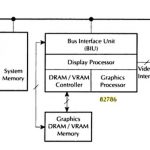
My last chip design at Intel was a GPU called the 82786and the architects of the chip wrote a virtual prototype using the MAINSAIL language. By using a virtual prototype they were able to:
- Simulate bus traffic, video display and video RAM
- Determine throughput
- Measure latency
- Verify that bus priorities were working
- Optimize the
…
Read More
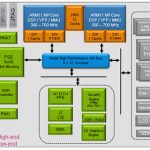
You are going to be developing software for an SoC that contains an ARM Cortex-A57 64-bit CPU. Or perhaps it is an SoC containing ARM’s hybrid big.LITTLE multi-core architecture that combines one or more low power cores with some high power, high performance cores to get the best of both worlds: high throughput when it is needed… Read More
The most interesting session at the Linley Tech Data Center Conference last week was the last one, on Designing Power Efficient Servers. What this was really about was whether ARM would have any success in the server market and what Intel’s response might be.
Datacenters are now very focused on power efficiency and many track… Read More
Power is a fundamentally hard problem. When you have finished the design, you have accurate power numbers but can’t do anything about them. At the RTL level you have some power information but it is often too late to make major architectural changes (add an offload audio-processor, for example). Early in the design, making… Read More
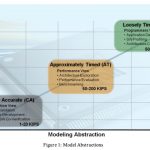
SoC designers have always wanted to simulate hardware and software together during new product development, so one practical question has been how to trade off performance versus accuracy when creating an early model of the hardware. The creative minds at Carbon Design Systems and ARM have combined to offer us some hope and relief… Read More
If I had to describe CES in one word it would be exhausting. There were 3,000+ vendors, 150,000+ people, lines for everything, but 100% pure excitement. Even my beautiful wife was intrigued by the technology that shapes our lives. The smart toaster was of great interest to her since she says I time my toast with the smoke alarm. The … Read More