
Even with advances in AI, automation, and advanced process technology, many semiconductor test operations still rely on reports generated hours after production has occurred. This creates a significant and growing problem. By the time engineers discover a yield excursion, parametric drift, tester issue, or an increase in… Read More
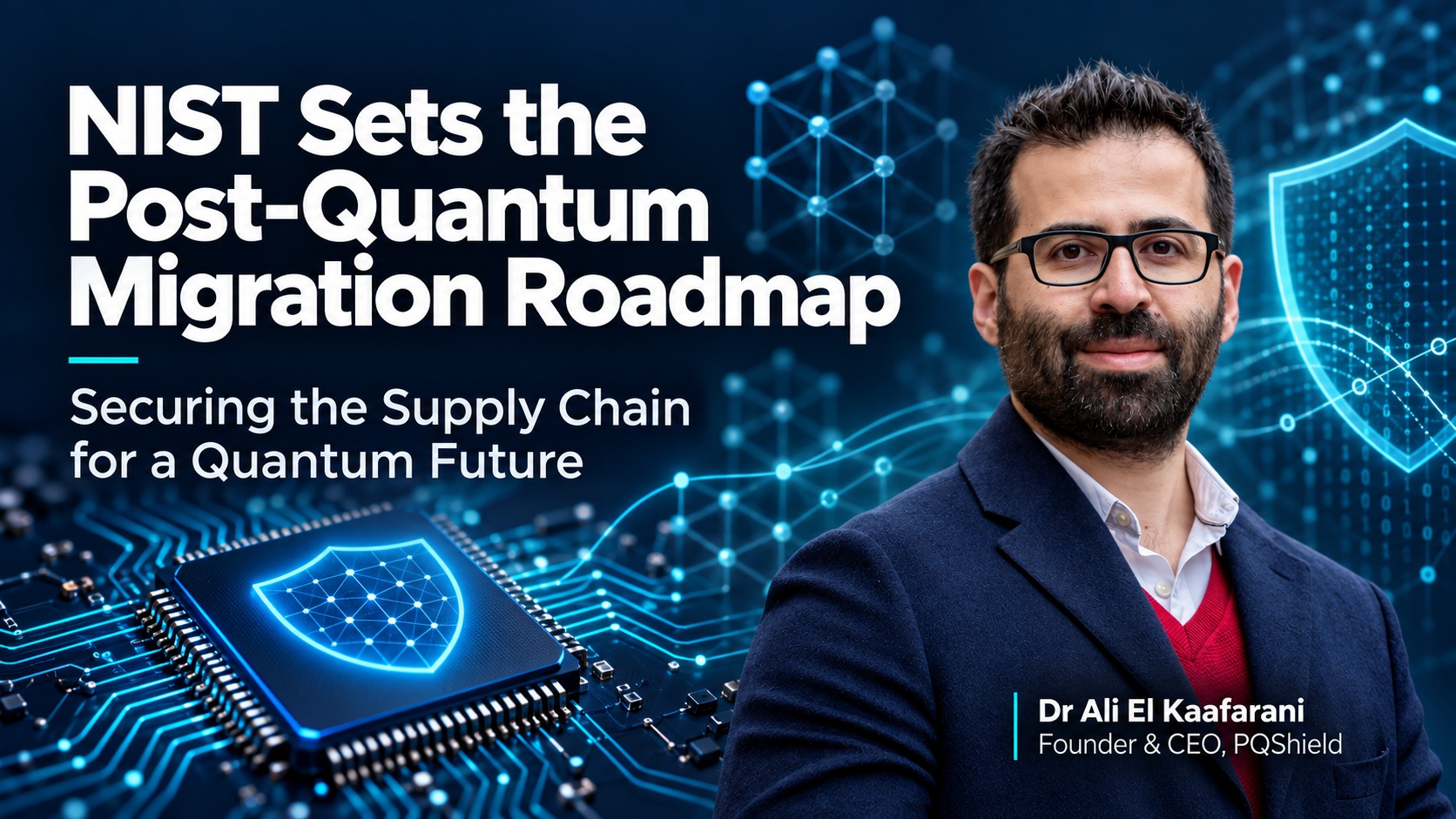
NIST Sets a Clearer Course for the Post-Quantum Security TransitionNIST’s report, Transition to Post-Quantum Cryptography Standards, gives…Read More
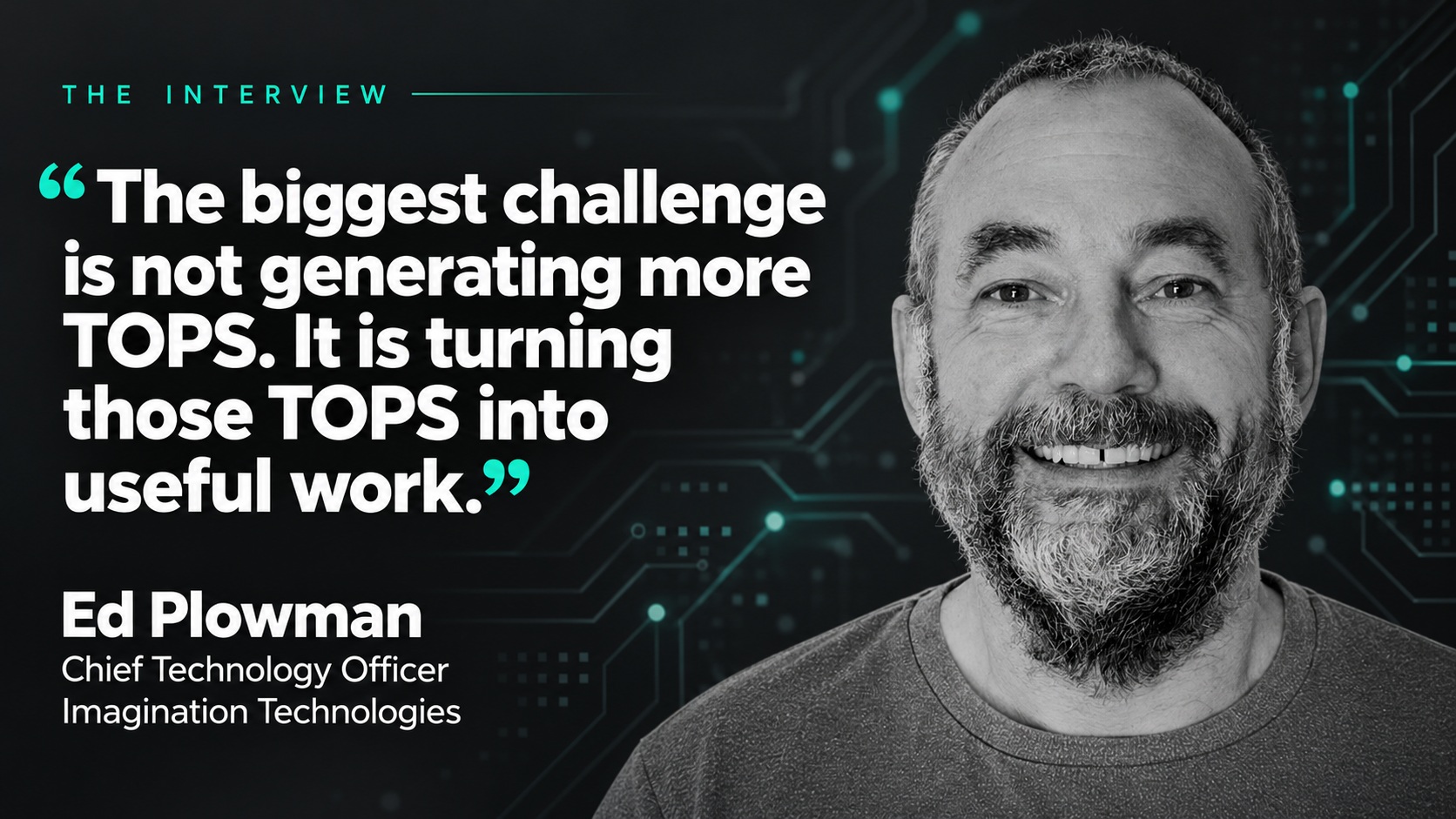
CTO Interview with Ed Plowman of Imagination TechnologiesEd Plowman is Chief Technology Officer at Imagination…Read More
Ceva’s next NeuPro generation opens new possibilities across AICeva is broadening the possibilities for AI silicon…Read More
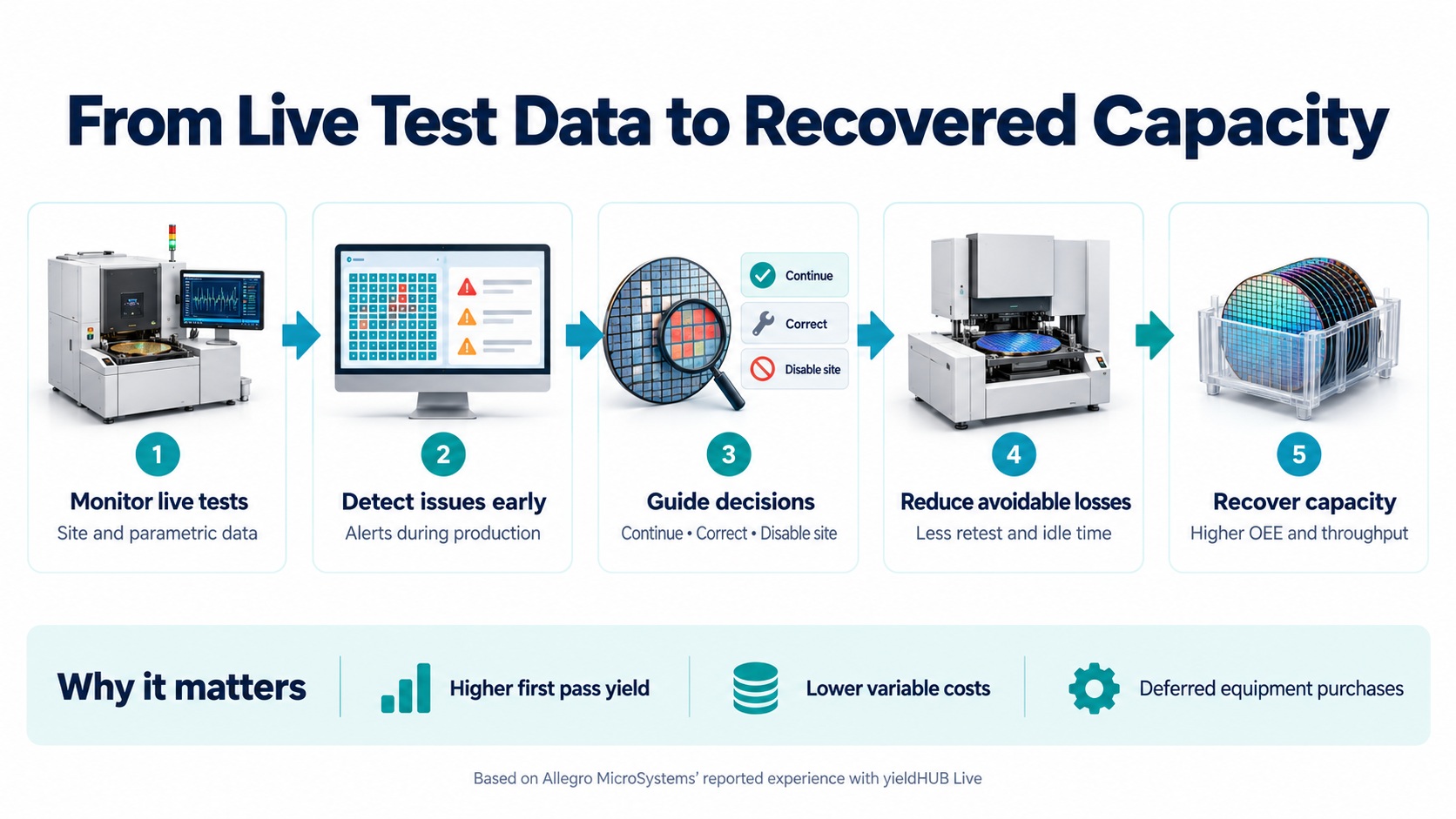
How Allegro MicroSystems Increased OEE by Several Percentage Points with yieldHUB LiveAllegro MicroSystems’ experience with yieldHUB Live shows how…Read More
Interview with Sweta Gupta, VP of Engineering of Analog BitsSweta Gupta is the Vice President of Engineering…Read MoreChips&Media Strengthens Codec Leadership With Next-Gen AV2 Licensing Deal
Chips&Media has signed a next-generation AV2 video IP licensing agreement with a major North American Big Tech company, marking an important step in the commercialization of the next wave of video compression technology. The deal includes Chips&Media’s AV2 decoder IP along with multi-standard codec support for H.264/AVC,… Read More
Why Huawei Says It Will Match TSMC’s Most Advanced Chips by 2031
Huawei’s assertion that it could match TSMC in producing the world’s most advanced chips by 2031 reflects both technological ambition and geopolitical necessity. As one of China’s leading technology companies, Huawei has faced significant restrictions on access to advanced semiconductor technology due to U.S. export controls.… Read More
Improving Verification of Battery Cell Monitoring Chips
Batteries, especially for electric vehicles, are very much in the news these days. This technology is vital for many aspects of our modern lives, but people often worry about things like range limitations and the possibility of overheating. The industry is responding with electronic solutions for improving battery operation.… Read More
Enhancing Multi-Domain System Simulation with FMI Co-Simulation
As systems become increasingly complex across every field of science and engineering, the importance of computer simulation in design, analysis, and verification continues to increase over time. The traditional process in which a system is modeled and simulated in a single tool is called monolithic simulation. On the other… Read More
Ceva Targets PC Gaming Audio Market With RealSpace Elevate for Windows
Ceva has launched RealSpace™ Elevate for Windows, a Microsoft-certified spatial audio software solution aimed at PC gaming headsets and PC OEMs. The product is delivered as a licensable Windows Audio Processing Object, or APO, giving device makers a production-ready way to add branded, customizable spatial audio to gaming… Read More
Applying QED to Hardware Accelerator Verification. Innovation in Verification
QED (Quick Error Detection) can be a powerful complementary addition to verification but can be subject to size constraints. This month’s paper looks at a fix for that limitation. Paul Cunningham (GM, Verification at Cadence), Raúl Camposano (Silicon Catalyst, entrepreneur, former Synopsys CTO and lecturer at Stanford, EE292A)… Read More
When Software Outruns Silicon: Hardware-Assisted Test Generation to the Rescue
For the past decade, the semiconductor industry has been moving in one direction: shift-left, specifically, shifting more validation into the pre-silicon phase. The idea was straightforward: if software ultimately determines how a system behaves, then software should become a primary vehicle for verification.
The industry… Read More
From Tokens to Infrastructure: Why Compute, Memory, and Power Will Determine the Future of AI
Based on Dylan Patel’s SEMI Industry Strategy Symposium (ISS): Tokens to Infrastructure presentation, one of the most important themes is the emergence of the AI Economic Stack, where every layer of artificial intelligence—from semiconductor manufacturing to cloud infrastructure, model providers, and applications—is… Read More
8051: The Core That’s Still Probably in Your House or Car
When a small team at Intel began work on its second-generation 8-bit microcontroller in the summer of 1978, they took lessons from their first effort, the 8048, hoping to create something more flexible and enduring. Approaching five decades later, their creation, the 8051, is still going strong, although the current offerings… Read More


The $725 Million Chip Development: Why Execution Risk, Not IP Cost, Now Dictates Advanced-Node Survival