




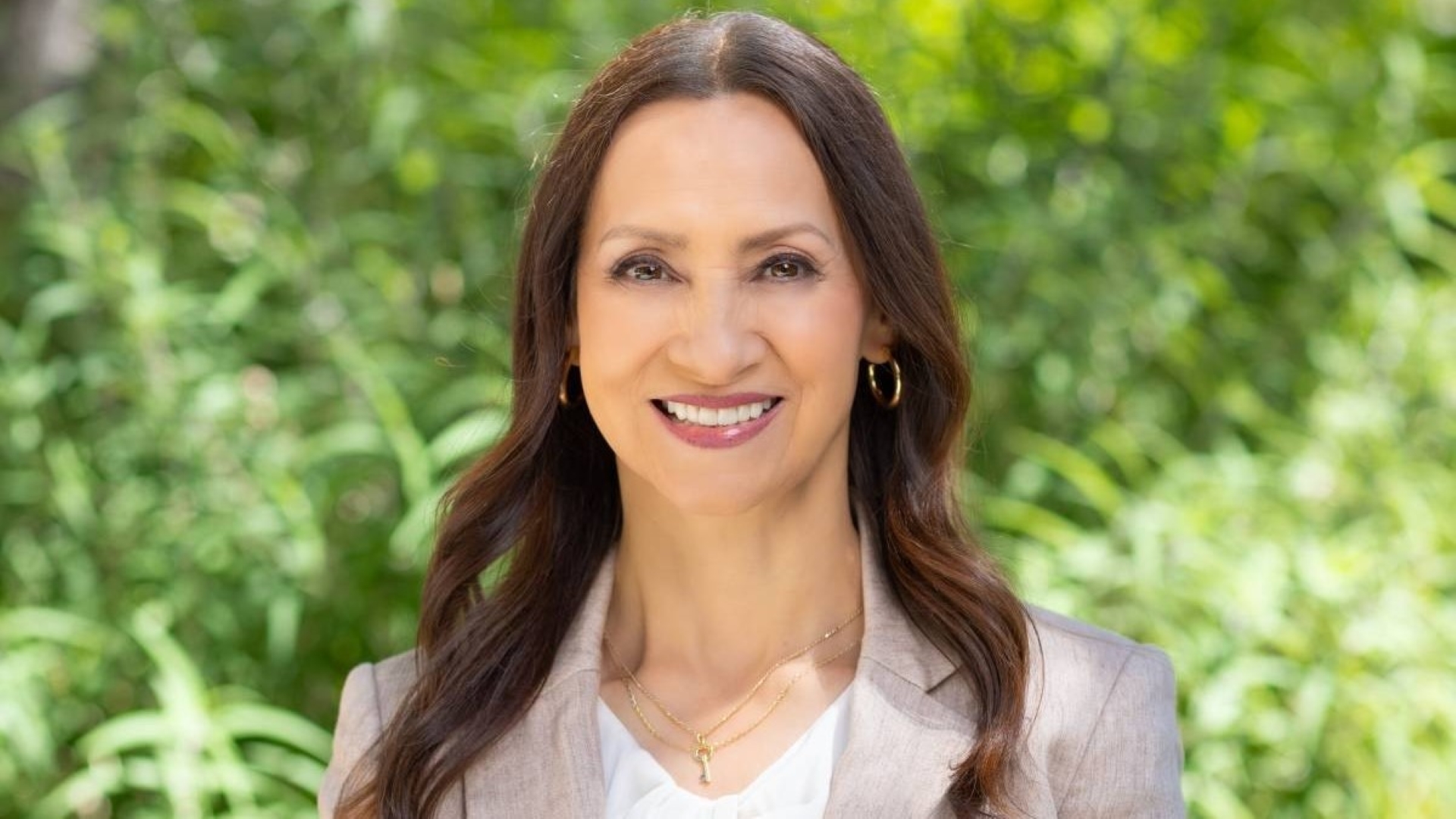

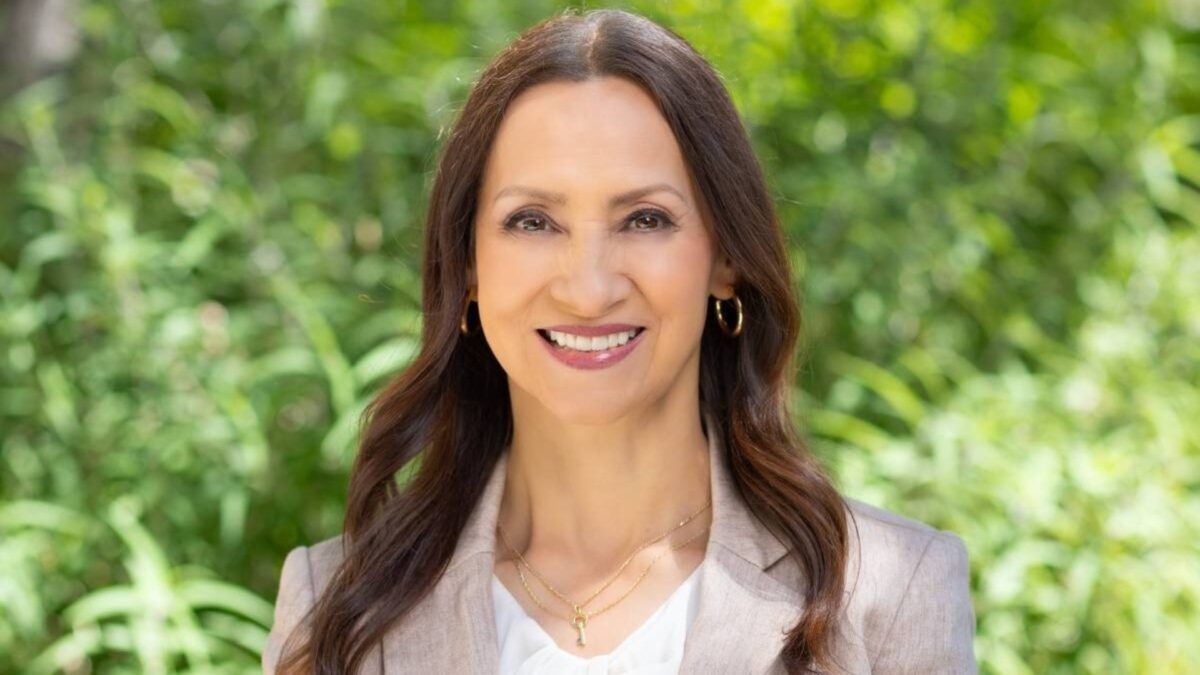
Sandra Rivera, Chair of VSORA, joined Bloomberg’s The Close in July for an interview on the current state of AI. What follows is a summary of that conversation.
When a Silicon Valley veteran who once ran Intel’s Data Center and AI Group, and now chairs a French inference-chip challenger, sits down with a tech journalist from Bloomberg, the vantage point is unusual. On the program, Rivera addressed the question hanging over the entire AI trade: can demand and revenue grow fast enough to justify the enormous spending on physical infrastructure?
Her answer was measured but firm. On demand, she sees no slowdown: enterprises keep pulling AI into their workflows to drive efficiency and innovation. Yet she stopped short of treating that as a blank check. Two things can be true at once, she argued: the industry should keep pushing the frontier while embracing a regulatory framework that reassures the public. Citing the Federal Aviation Administration (FAA), National Transportation Safety Board (NTSB), and Food and Drug Administration (FDA), she noted that safety institutions have historically accelerated innovation by building public acceptance of new technology. Without that trust, anxiety becomes a headwind.
The crossover to inference. Rivera confirmed what SemiWiki readers have been tracking for months: the industry is nearing the point where investment and deployment shift decisively from training to inference. Frontier-model training remains the province of a handful of players — an extraordinarily expensive and complex endeavor — but the bulk of AI activity, she argued, will come from enterprises, organizations, and individuals running models against their own data and objectives. That is inference, and it is where VSORA has staked its architecture.
Competition for capital, and the bear case. Asked how a startup competes when access to advanced silicon is a bottleneck, Rivera was candid: capital is not the constraint. AI is the top destination for investment, and getting in front of investors is not the hard part. The challenge is articulating a differentiated value proposition — power efficiency, low latency, determinism, cost per token, throughput — against every other startup making its pitch.
Pressed on the bear case, she didn’t flinch. Not all of these companies will make it, she said; that is simply the history of venture investing. She invoked the familiar cycle of “irrational exuberance” followed by a period of moderation and made a point worth underlining: the companies that fail often won’t fail on technology but on implementation and scaling. Enterprises are the ultimate arbiters, and while some report 20x to 30x returns on AI deployments, many proofs of concept fall short. A shakeout is coming, she acknowledged, but the long-term trajectory, in her words, is still “up and to the right.”
Sovereignty, with a caveat. The conversation turned to VSORA’s identity as a French company amid the AI-sovereignty debate. Rivera framed sovereign capability as a genuine tailwind for Europe, tied directly to VSORA’s pitch: roughly 40% lower cost at the same throughput, within a much lower power envelope. In a market of heterogeneous architectures — CPUs, GPUs, inference accelerators, memory, networking — she sees room for companies that stay focused on the customer and on execution.
Bloomberg’s Katie Greifeld pressed on the obvious tension: if VSORA, like nearly everyone else, relies on TSMC for manufacturing and packaging, where does sovereignty actually reside? Rivera’s answer leaned on supply-chain resiliency rather than autarky. Drawing on her years managing geopolitical supply-chain risk at Intel, she pointed to manufacturing and packaging spreading across regions, including TSMC’s own investments in the US and Europe, and cited COVID as proof that no supply chain should trace back to a single geography. The TAM, she noted, is global even when a company starts local.
Rivera’s message threaded a needle that suits her new role. Demand is real and durable; the inference era is arriving; capital is abundant but discerning; and sovereignty is a genuine tailwind, even if the silicon supply chain remains stubbornly global. For VSORA, a company selling efficiency and cost per token into exactly that inference wave, having a chair who can make this case fluently on Bloomberg is a competitive asset in its own right.
Sandra Rivera appeared on Bloomberg’s The Close July 25.
Also Read:
Built to Deliver the Answer, Not to Train the Model
Silicon Valley, à la Française – One Year On
Rethinking AI Chips: How VSORA Redesigned the Hardware That Runs AI
Share this post via:



Comments
There are no comments yet.
You must register or log in to view/post comments.