You are currently viewing SemiWiki as a guest which gives you limited access to the site. To view blog comments and experience other SemiWiki features you must be a registered member. Registration is fast, simple, and absolutely free so please,
join our community today!
Buying IP is just a little bit more complicated than buying a pair of shoes. A lot of IP is configurable and requires attention to various design and configuration parameters. We live in an age where commercial soft IP is used pretty often in designs, so people have developed increasing comfort in the process that is required to achieve… Read More
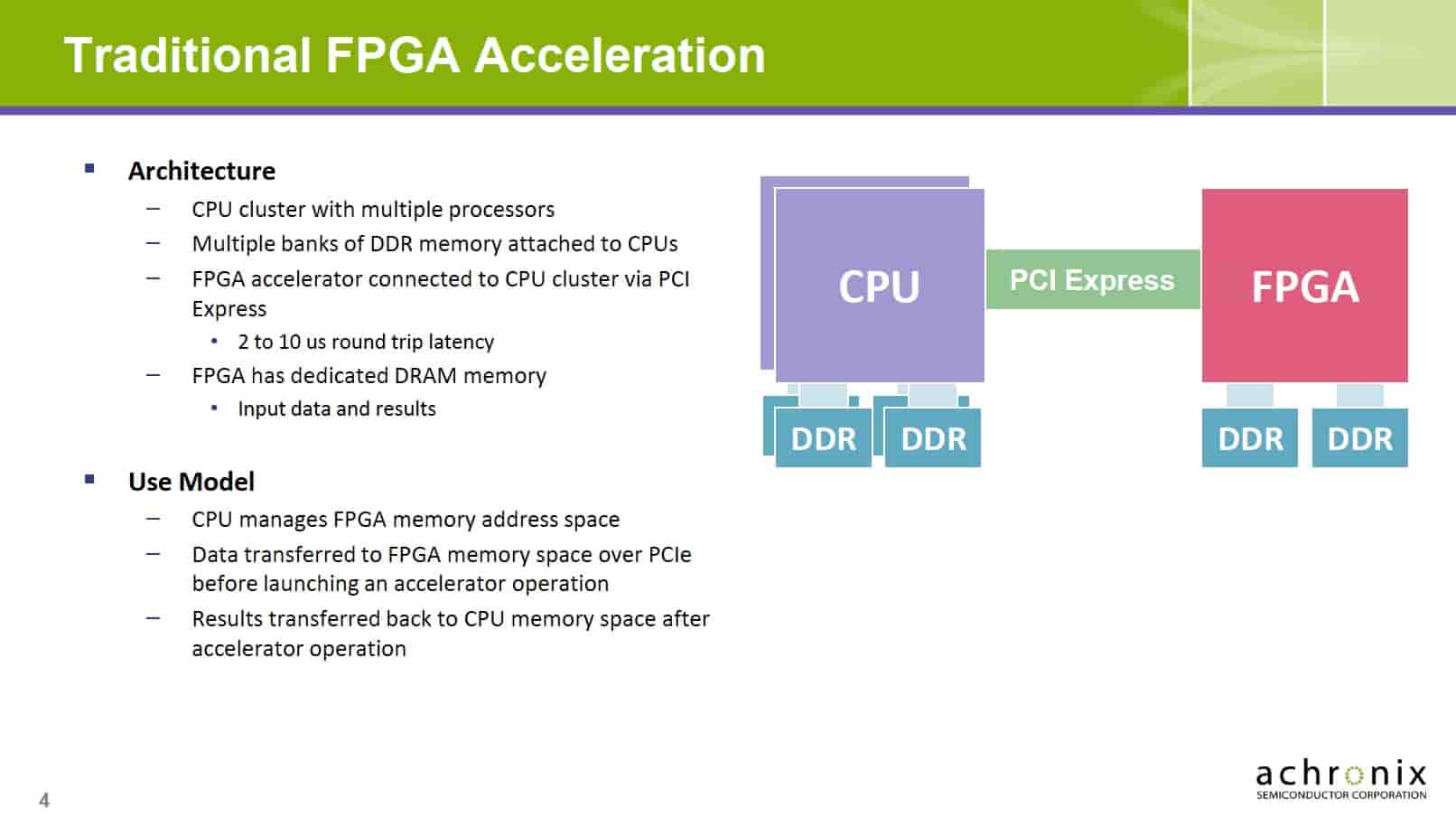
FPGA programmable logic has served in many capacities since it was introduced back in the early 80’s. Recently, with designers looking for innovative ways to boost system performance, FPGA’s have moved front and center. This initiative has taken on new urgency with the slowing down of process node based performance gains. The… Read More
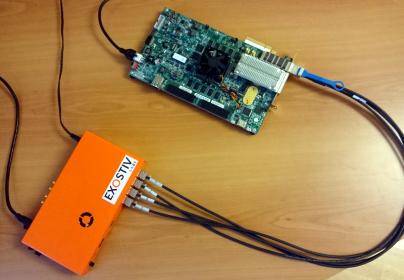
Productivity is notoriously hard to sell. I recently visited a company where the engineering team wanted to evaluate one of our FPGA debug and analysis products on an existing board. This board had an FPGA that we supported and had all the required connectivity – it could just be used ‘out of the box’. Our tool – Exostiv… Read More
FPGA prototyping is very popular in modeling hardware for early system prove-out, early embedded software development, as a cost-effective and performance-effective platform for software-driven hardware debug and for late-stage software debug, all before silicon is available. It has significant advantages in run-time… Read More
There are 3 common misconceptions about debugging FPGA with the real hardware:
[LIST=1]
Debugging happens because the engineers are incompetent.
FPGA debugging on hardware ‘wastes’ resources.
A single methodology should solve ALL the problems.
…
Read More
The complexity of silicon chips is exploding. Actually, it has been growing at a tremendous speed for decades. So far, the semiconductor industry has been successful at providing new ways to master new levels of complexity, over and over again.
Standardizing hardware platforms, using higher-level languages with a knowledge… Read More
In our quest to further enlighten the masses SemiWiki has published four books, we have two more eBooks in post production due out in Q1 2018 and two more topics in research. All of the books are available free for PDF versions or you can get printed versions on Amazon.com or free printed versions at book signings or if you happen to meet… Read More
One of the barriers to silicon success has always been design costs, especially if you are an emerging company or targeting an emerging market such as IoT. Today design start costs are dominated by IP which is paid at the start of the project and that is after costly IP evaluations and other IP verification and integration challenges.… Read More
In life, there are some things that just go together. Imagine the world without peanut butter and jelly, eggs and potatoes, telephones and voicemail, or the internet and search engines. In the world of computing there are many such examples – UARTS and FIFO’s, processor cores and GPU’s, etc. Another trait all these things have is… Read More
A piece of learning we all seem to have gained from practical considerations of IoT infrastructure is that no, it doesn’t make sense to ship all the data from an IoT edge device to the cloud and let the cloud do all the computational heavy lifting. On the face of it that idea seemed good – all those edge devices could be super cheap (silicon… Read More