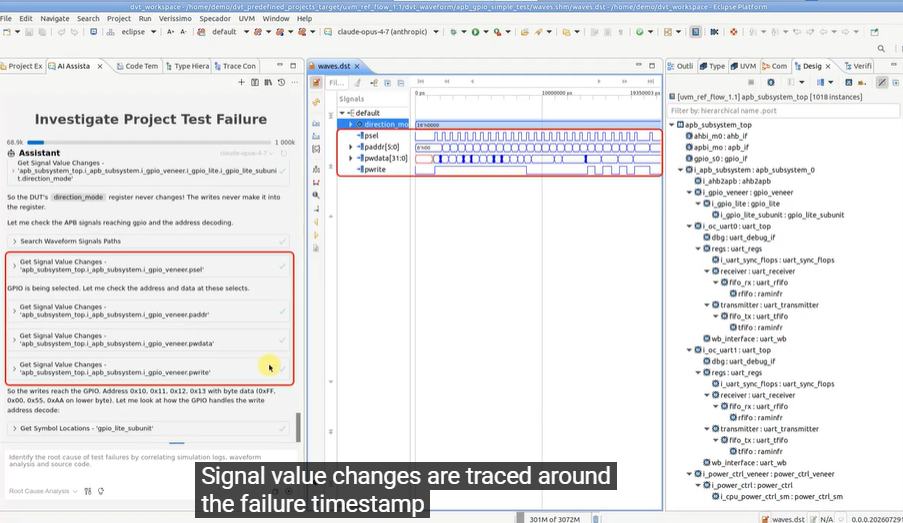
Bug localization continues to be a challenge for both bug triage and root-cause analysis. Agentic approaches suggest a way forward. Paul Cunningham (GM, Verification at Cadence), Raúl Camposano (Silicon Catalyst, entrepreneur, former Synopsys CTO and lecturer at Stanford, EE292A) and I continue our series on research ideas.… Read More
By Niranjan Sitapure
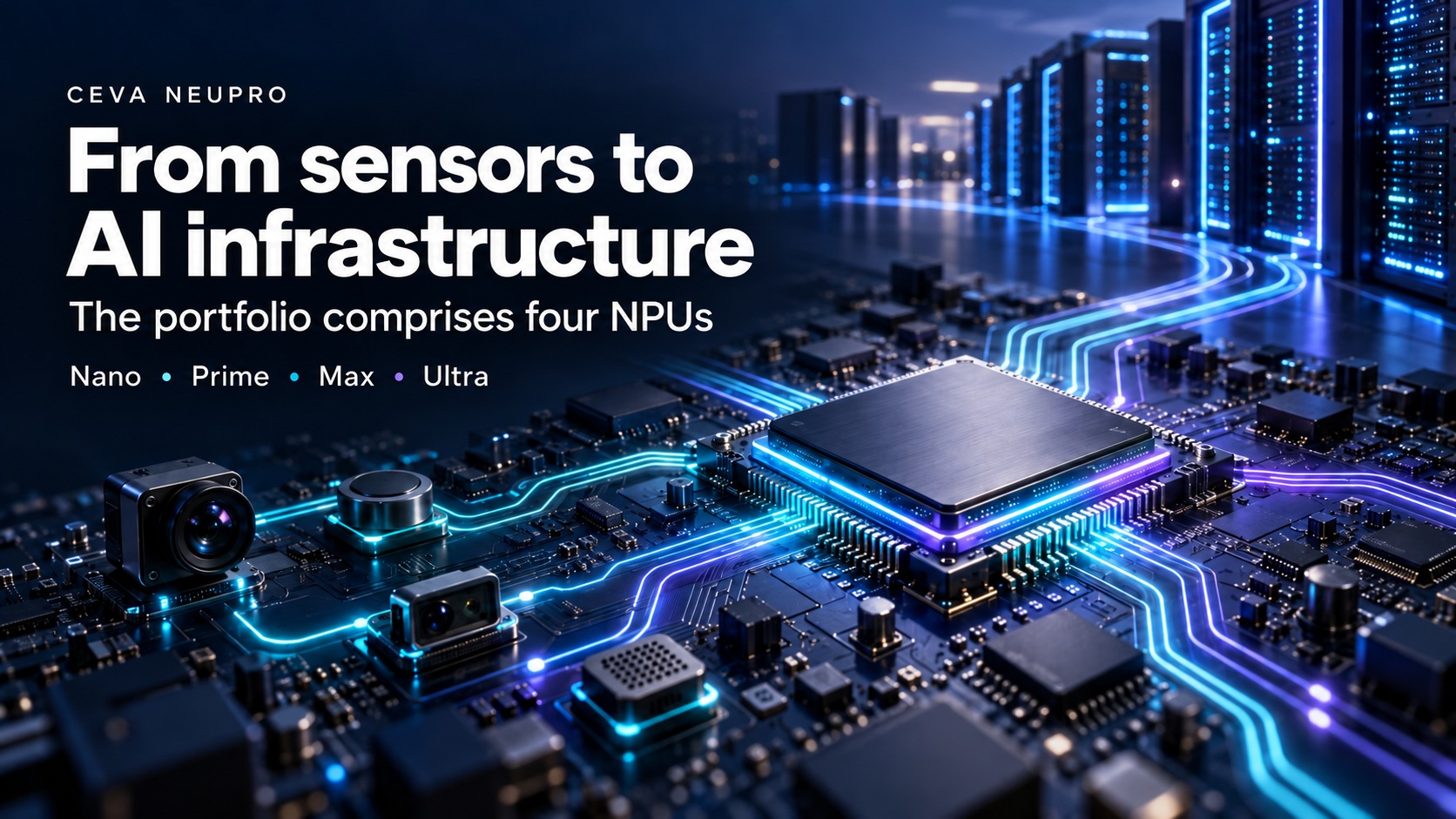
Artificial intelligence (AI) is reshaping industries worldwide. Consumer-grade AI solutions are getting significant attention in the media for their creativity, speed, and accessibility—from ChatGPT and Meta’s AI app to Gemini for image creation, Sora for video, Sona for music, and Perplexity for web… Read More
Mixel, Inc., a longtime leader in mixed-signal and MIPI® interface IP, entered a new chapter in its history following its acquisition by Silvaco Group, Inc., a global provider of design software and semiconductor IP. The acquisition, completed earlier in 2025, marks a strategic move that combines Silvaco’s deep expertise in… Read More
By Nikhil Sharma, Sunghwan Son, Paul Mantey
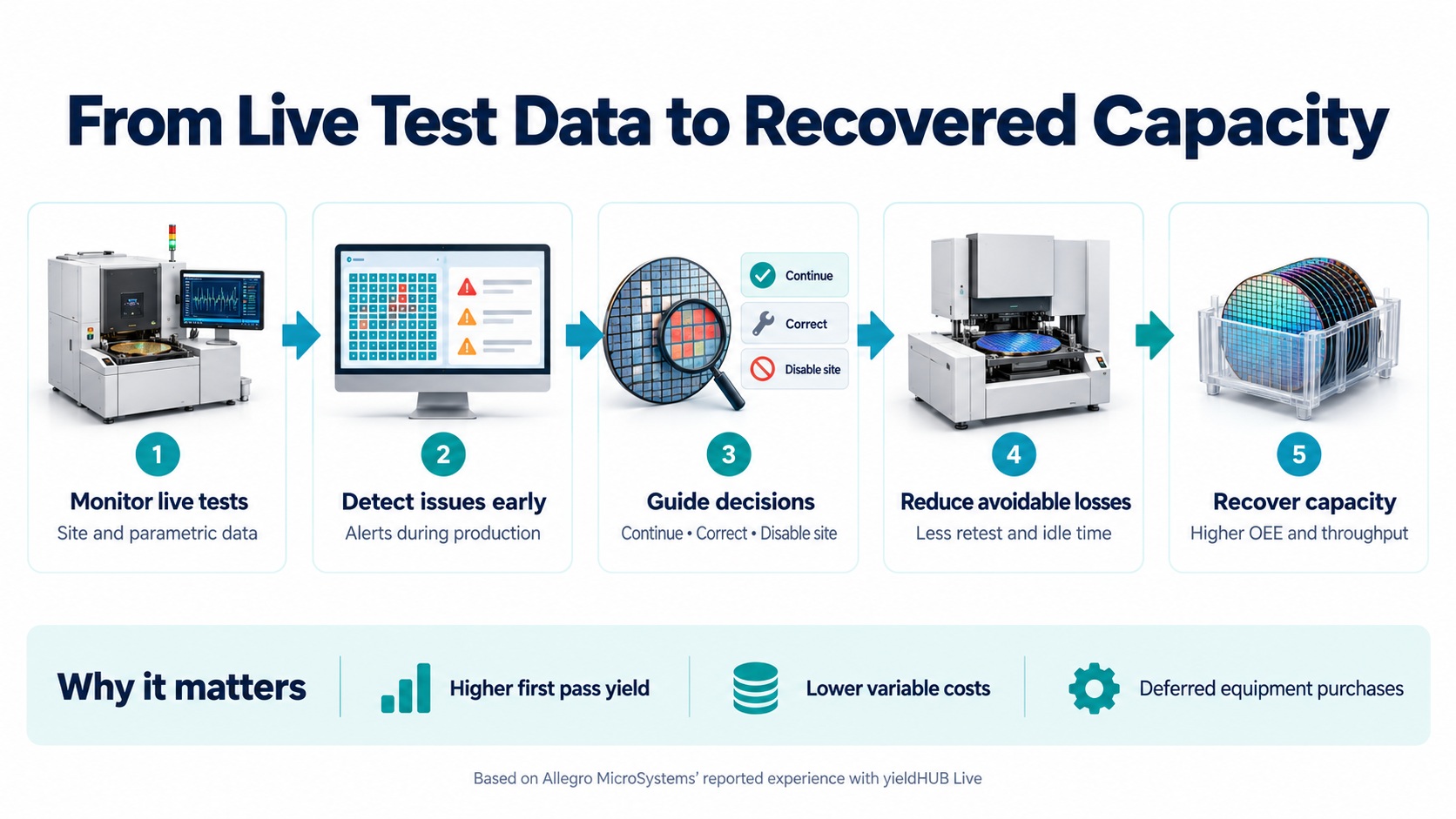
The semiconductor industry faces an unprecedented crisis that threatens the very foundation of technological innovation. According to the latest Siemens EDA / Wilson Research Study, first-silicon success rates have plummeted to just 14%[1]—the lowest figure in more than twenty… Read More
There is always a lot of buzz about advanced AI workloads at trade shows. How to train them and how to run them. Advanced chip and multi-die designs are how AI is brought to life, so it was a perfect fit for discussion at a show. But there is another side of this discussion. Much of the work going on in AI workloads has to do with processing… Read More
In this episode of the Semiconductor Insiders video series, Dan is joined by Antun Domic, who discusses Mach42’s work on AI and analog verification. Antun covers many aspects of analog/AMS verification and how Mach42’s unique AI-fueled approach provides significant benefits. He explains the balance of speed … Read More
The semiconductor industry is entering a transformative era, and few trends are generating more discussion or confusion than Agentic AI. From autonomous design exploration to next-generation verification strategies, Agentic AI promises dramatic changes in how chips are conceived, validated, and delivered. But as with … Read More
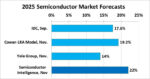
The world semiconductor market was $208 billion in third-quarter 2025, according to WSTS. This marks the first time the market has been above $200 billion. 3Q 2025 was up 15.8% from 2Q 2025, the highest quarter-to-quarter growth since 19.9% in 2Q 2009. 3Q 2025 was up 25.1% from 3Q 2024, the highest growth versus a year earlier since… Read More
Modern chip design verification often encounters challenges when connecting peripherals, primarily due to drastic differences in operating speed or hardware limitations. Designs running on hardware emulators or FPGA prototyping platforms typically operate at clock frequencies of tens of megahertz, and in some cases even… Read More












The $725 Million Chip Development: Why Execution Risk, Not IP Cost, Now Dictates Advanced-Node Survival