





I’ve blogged about Methodics before they were acquired by Perforce back in 2020, so I wanted to get an update on Perforce IPLM (IP Lifecycle Management) by attending their recent webinar. Hassan Ali Shah, Senior Product Manager and Rien Gahlsdor, Perforce IPLM Product Owner were the two webinar presenters. Their IPLM enables end-to-end traceability for semiconductor IP plus metadata across all of your company design projects, so that you can have a unified IP catalog for discovery and reuse, automate the release process, improve design productivity and benefit from collaboration.
Enhancing end-to-end traceability was presented in five new features. The first new feature discussed was server side conflict resolution, as conflicts can show up when more than one version of an IP is found in the IPV hierarchy. The old way of resolving conflicts was using the CLI client, while now you can resolve conflict with IPLM Core and even preview the resolved hierarchy using IPLM Web without building the workspace.
Each IP may have users and groups granted read permission on properties and write permission on the IP, or you could hide property values from users, improving your flexibility. Protected properties work on Libraries, IPs and even custom objects, while permissions are set on property sets.
There’s new support of Redis Streams for event handling, ensuring that events are read at least once. Any property change will trigger an event, and you can show the previous value of changed fields.
IPLM Core is supporting single sign-on (SSO), which improves system security, helps productivity and makes it easier for users to login.
Keysight ADS users now have features to rollback, retrieve and sync different IP versions, making them more productive by using VersIC ADS.
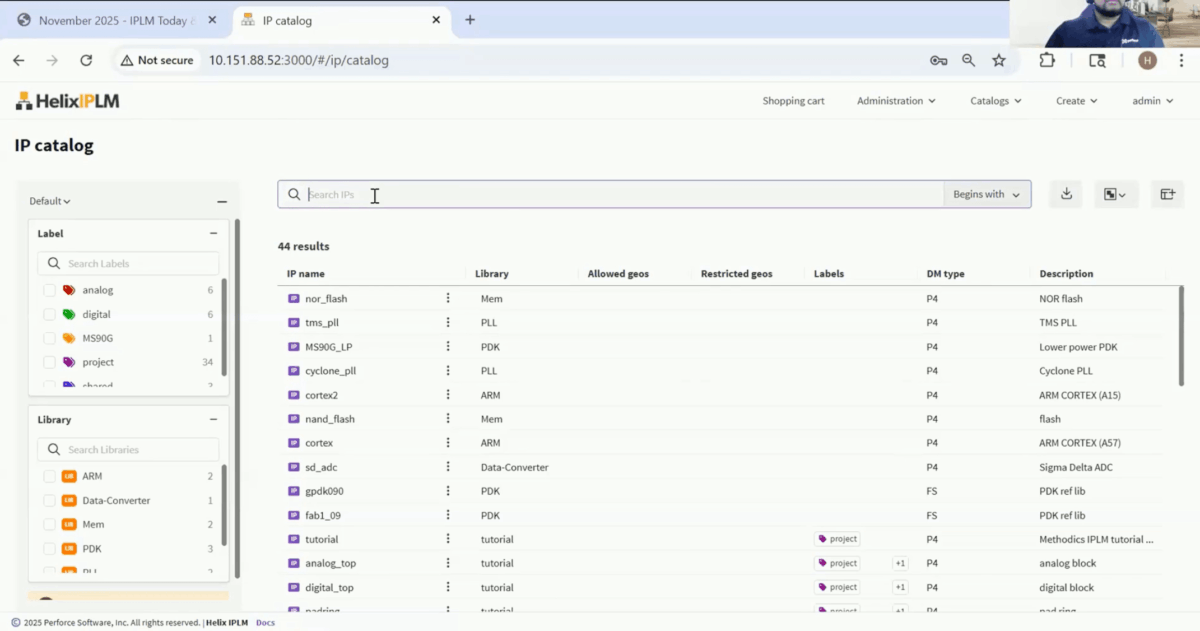
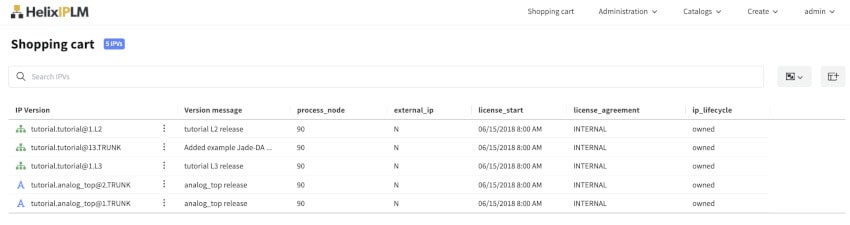
Hassan talked about how users can visualize using the new Shopping Cart, finding IPs of interest quickly to store them for later use. You can browse from the catalog, add to cart, then analyze and use each IP in your BOM. There’s a quick filter that shows a dynamic count as you search for any IP, and you can set both static and dynamic filters. Searching for an IP can be global, or refined with fuzzy matching. All versions of an IP can now be viewed from a single interface, saving time.
After a live demo the next topic was how Perforce has modernized the tech stack; IPLM Client supports Python 3, IPLM Web works with Node.js 22.14, and OS versions support Red Hat 9, Rocky 9, CentOS 9, SLES15.
Coming Next
Looking ahead, Rien talked about how Perforce will be supporting the Model Context Protocol (MCP), an open standard for how AI applications like LLMs connect between tools and data sources. This technology will let you use natural language to learn, query and run actions and workflows with IPLM. Another AI feature coming is predictive search, where you receive predictive recommendations from IPLM to quickly help you find answers. A live demo was shown where the prompt, “What is an IPLM label” was typed:
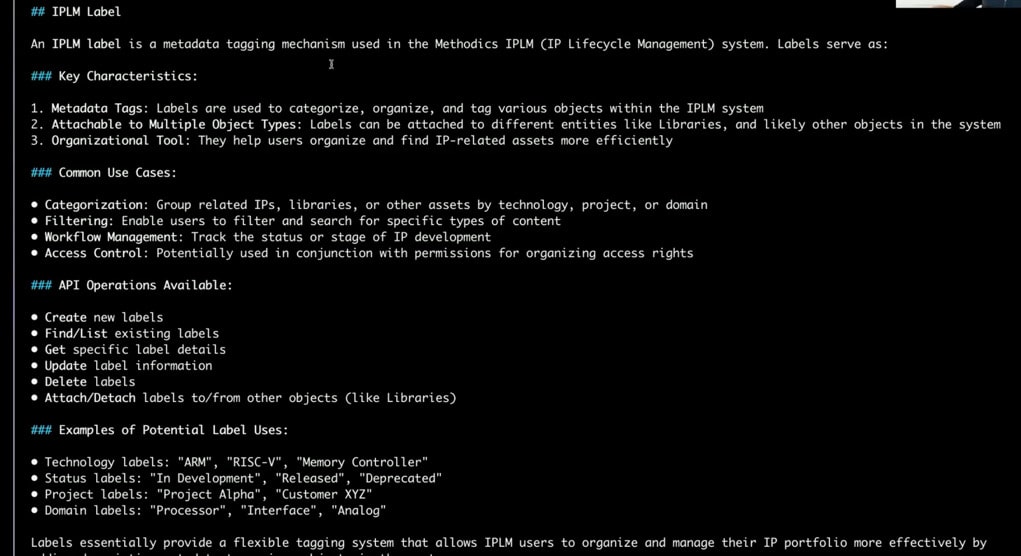
The next prompt was, “show me libraries that have labels attached”, and the LLM churned out coherent answers rapidly.
Future improvements for end-to-end traceability will include more flexible workspace that allow multiple lines and versions of an IP in a workspace. Multiple P4 (version control system) servers will be supported for VersIC (design data management tool), instead of just one P4 client.
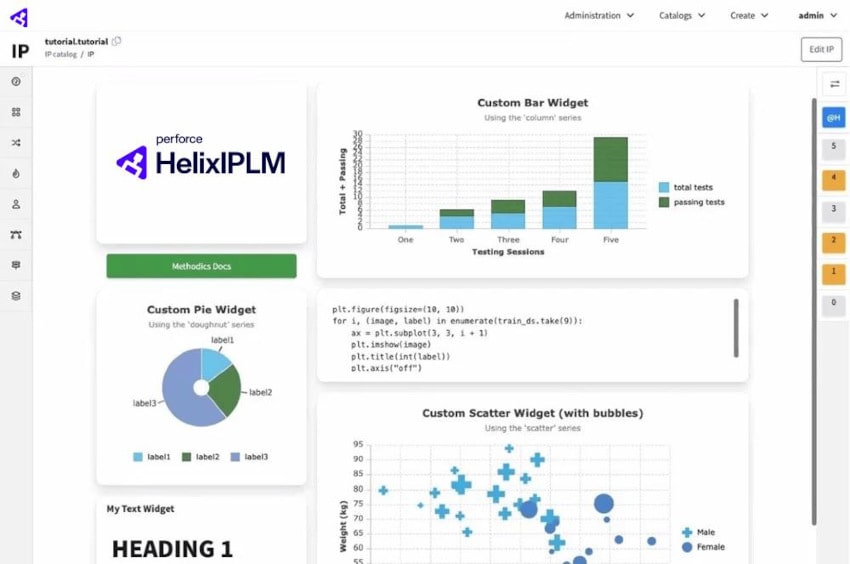
Hassan finished by showing new improvements coming for visualizing your portfolio: Seeing resolved trees, dashboard customization, dynamic updates, deeper analysis of stored objects in your shopping cart.
Summary
It’s not often that EDA vendors actually perform live demos, but in this webinar they were confident enough to actually run their IPLM tools through the paces, showing how each new feature looked and worked on demo designs. Perforce continues to add new features to their IPLM and the coming attractions look promising with AI technology and visualization improvements.
View the full webinar online.
Related Blogs
- LM Today and Tomorrow from Perforce
- Perforce and Siemens at #62DAC
- Perforce Webinar: Can You Trust GenAI for Your Next Chip Design?
- Perforce and Siemens: A Strategic Partnership for Digital Threads in EDA
- Building Trust in Generative AI




Comments
There are no comments yet.
You must register or log in to view/post comments.