You are currently viewing SemiWiki as a guest which gives you limited access to the site. To view blog comments and experience other SemiWiki features you must be a registered member. Registration is fast, simple, and absolutely free so please,
join our community today!
WP_Term Object
(
    [term_id] => 14433
    [name] => X-Subscriber
    [slug] => x-subscriber
    [term_group] => 0
    [term_taxonomy_id] => 14433
    [taxonomy] => category
    [description] =>
    [parent] => 0
    [count] => 0
    [filter] => raw
    [cat_ID] => 14433
    [category_count] => 0
    [category_description] =>
    [cat_name] => X-Subscriber
    [category_nicename] => x-subscriber
    [category_parent] => 0
    [is_post] =>
)
The second segment of Oski’s most recent “Decoding Formal” event was a talk by Anatoli Sokhatski (formal tech lead at Cisco) on training and methodology development for a structured and scalable approach to formal verification, particularly with emphasis on formal signoff.
Anatoli stressed that he and others in the team did … Read More
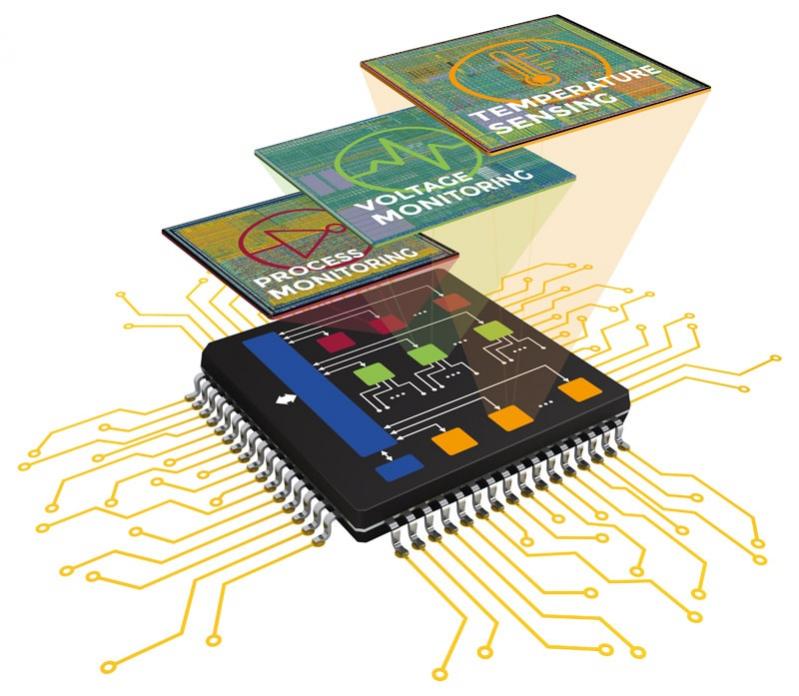
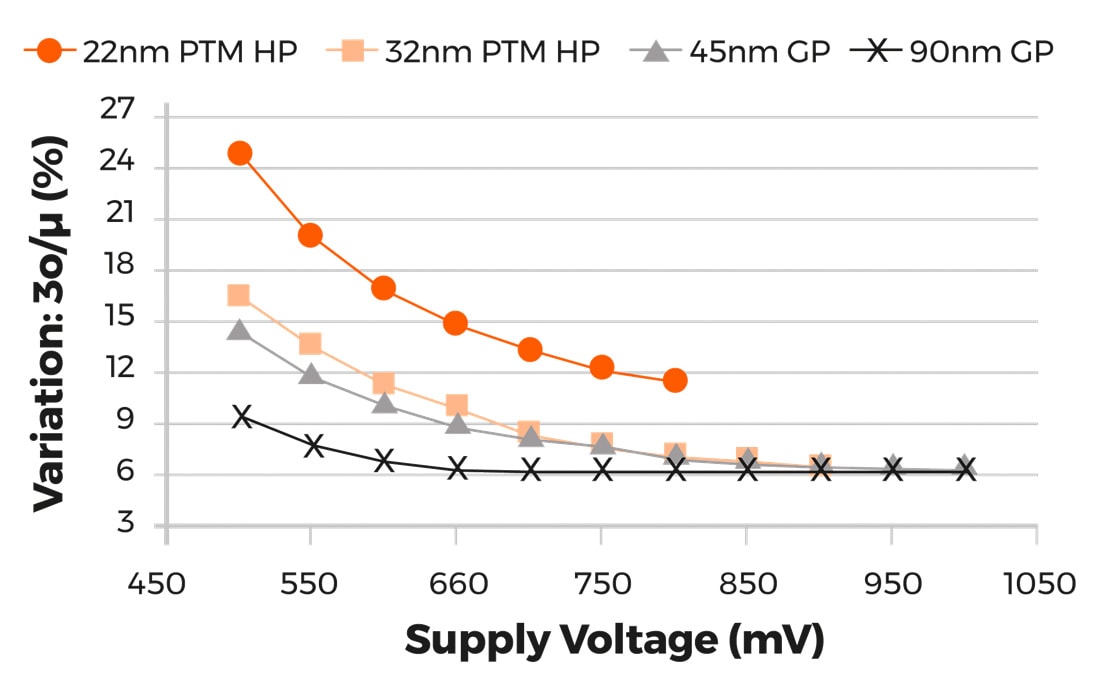
Have you ever wondered how process variation, thermal self-heating and Vdd levels affect the timing and yield of your SoC design? If you’re clock specification calls for 3GHz, while your silicon is only yielding at 2.4GHz, then you have a big problem on your hands. Such are the concerns of many modern day chip designers. To… Read More
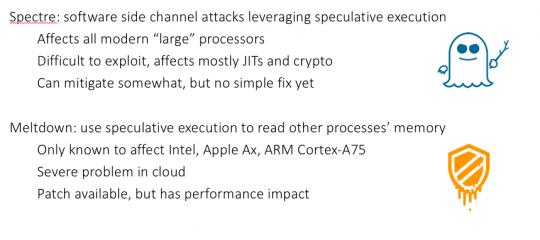
Once again Oski delivered in their most recent Decoding Formal session, kicking off with a talk on the infamous Meltdown and Spectre bugs and possible relevance of formal methods in finding these and related problems. So far I haven’t invested much effort in understanding these beyond a hand-waving “cache and speculative execution”… Read More
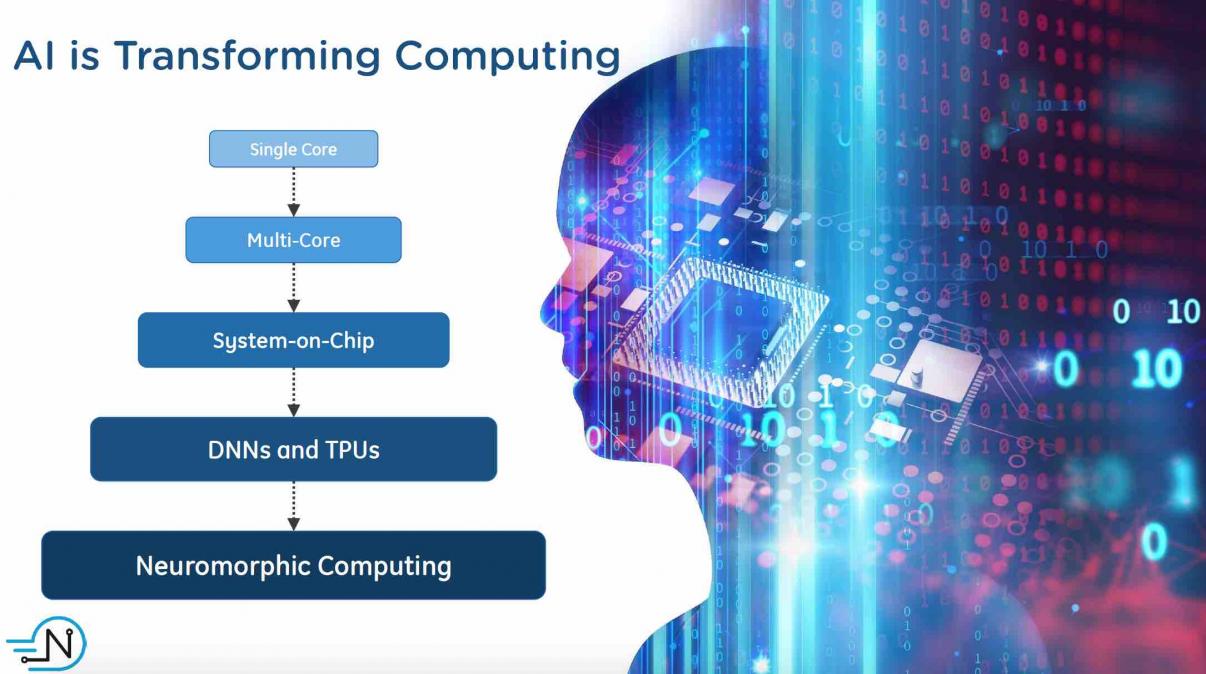
Artificial Intelligence based systems are driving a metamorphosis in computing, and consequently precipitating a large shift in SOC design. AI training is often done in the cloud and has requirements for handling huge amounts of data with forward and backward data connections. Inference usually occurs at the edge and must be… Read More
The second panel is about system coverage and big data. Coverage metrics have been used to gauge the quality of verification efforts during development. At system level, there are still no standardized metrics to measure full coverage. The emergence of PSS, better formal verification, enhanced emulation and prototyping techniques… Read More
In the old days to learn about new semiconductor IP you would have to schedule a sales call, listen to the pitch, then decide if the IP was promising or not. Today we have webinars which offer a lot less drama than a sales call, plus you get to ask your questions by typing away at the comfort of your desk, hopefully wearing headphones as … Read More
In the EDA space, nothing seems to be more fragmented in-term of solutions than in the Design Verification (DV) ecosystem. This was my apparent impression from attending the four panel sessions plus numerous paper presentations given during DVCon 2018 held in San Jose. Both key management and technical leads from DV users community… Read More
Thanks to my growing involvement in formal (at least in writing about it), I was happy to accept an invite to this year’s Oski DVCon dinner / Formal Leadership Summit. In addition to Oski folks and Brian Bailey (an esteemed colleague at another blog site, to steal a Frank Schirrmeister line), a lively group of formal users attended… Read More
We (SemiWiki) have been working with Fractal for close to five years now publishing 25 blogs that have garnered more than 100,000 views. Generally speaking QA people are seen as the unsung heroes of EDA since the only time you really hear about them is when something goes wrong and a tapeout is delayed or a chip is respun.
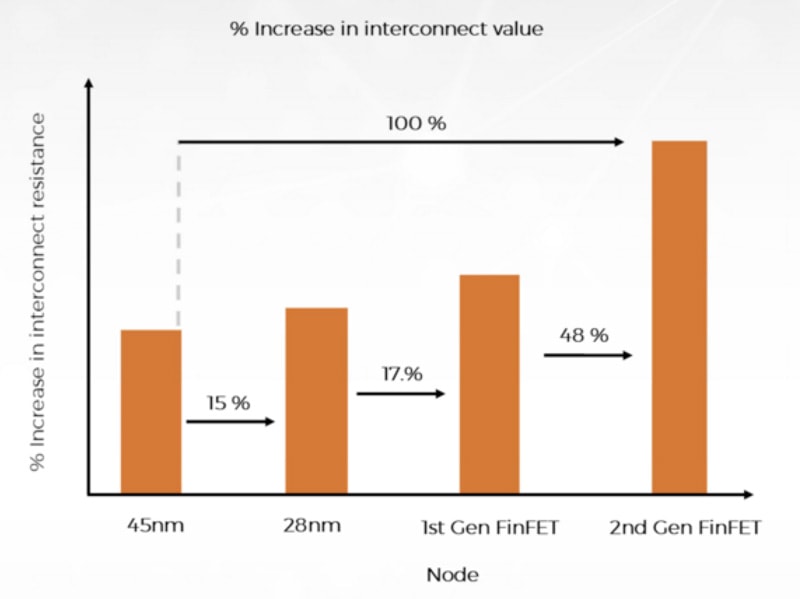
FinFETs really… Read More
At Intel back in the late 1970’s we wanted to know what process corner each DRAM chip and wafer was trending at so we included a handful of test transistors in the scribe lines between the active die. Having test transistors meant that we could do a quick electrical test at wafer probe time to measure the P and N channel transistor… Read More