




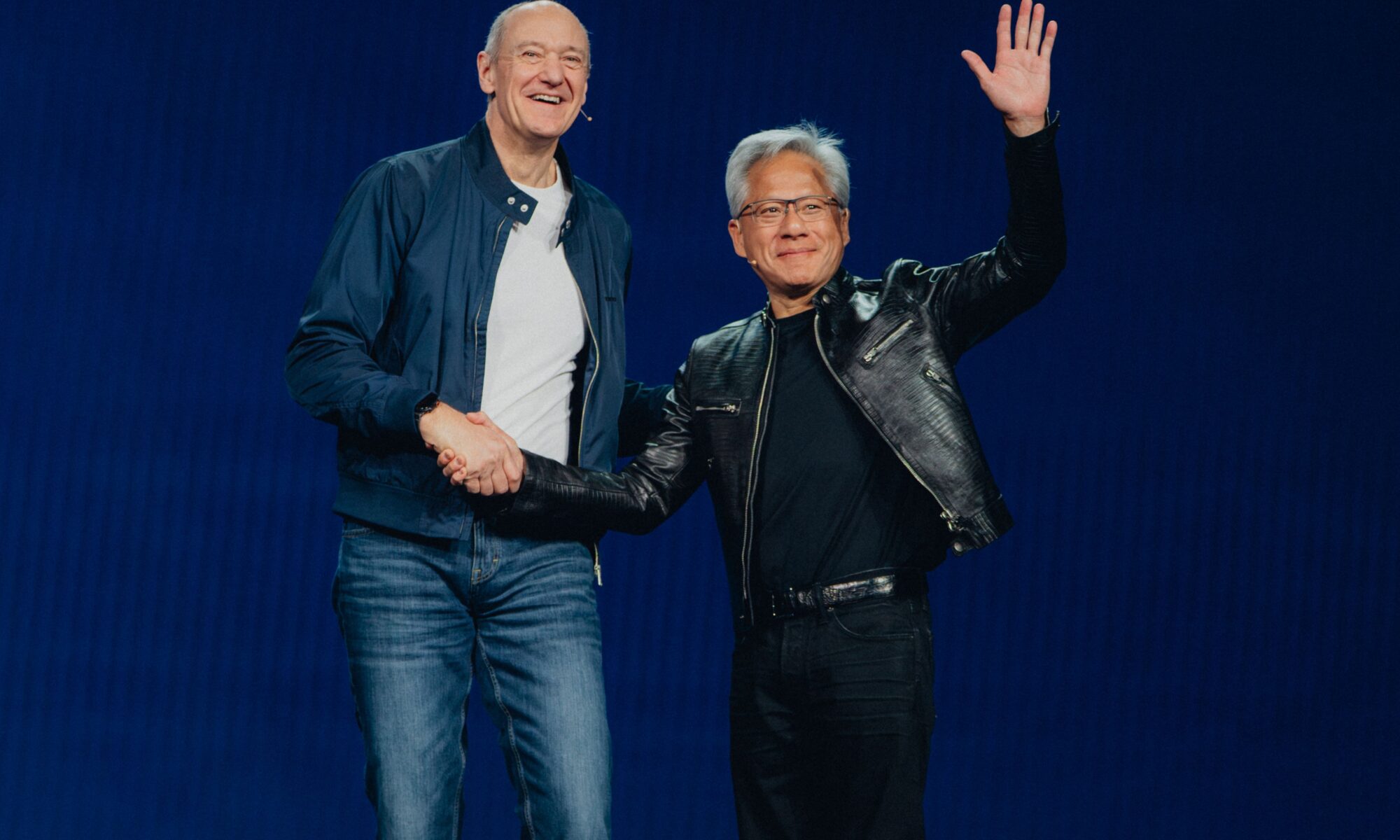

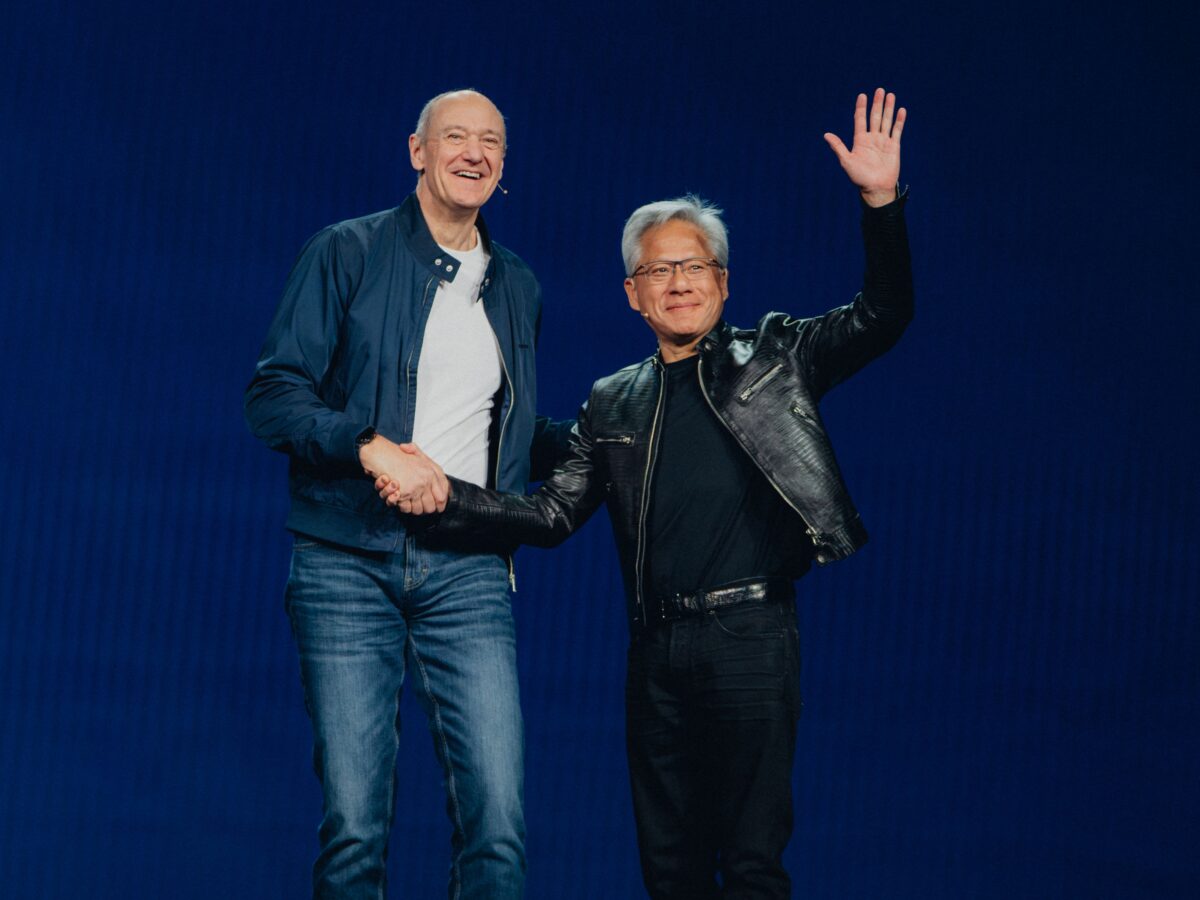
At CES in Las Vegas, Siemens and NVIDIA announced a major expansion of their long-standing collaboration, aiming to create what they term the “Industrial AI Operating System.” This ambitious initiative seeks to embed artificial intelligence deeply across the entire industrial value chain—from design and engineering to manufacturing, operations, and supply chains—transforming how physical systems are conceived, built, and managed in the real world.
The partnership builds on previous efforts, including integrations between Siemens’ Xcelerator platform and NVIDIA’s Omniverse for photorealistic digital twins. Now, the companies are fusing NVIDIA’s expertise in accelerated computing, generative AI, and simulation with Siemens’ industrial software, automation, and domain knowledge to develop AI-native workflows that turn passive digital twins into active, intelligent systems.
NVIDIA will contribute its AI infrastructure, simulation libraries, models, frameworks like Omniverse and CUDA-X, and blueprints for scalable deployment. Siemens, in turn, is committing hundreds of industrial AI experts along with its leading hardware and software portfolio. As Roland Busch, President and CEO of Siemens AG, stated, “Together, we are building the Industrial AI operating system—redefining how the physical world is designed, built, and run—to scale AI and create real-world impact.”
Jensen Huang, NVIDIA’s founder and CEO, emphasized the revolutionary potential: “Generative AI and accelerated computing have ignited a new industrial revolution, transforming digital twins from passive simulations into the active intelligence of the physical world.” The collaboration closes the loop between virtual simulation and physical execution, allowing industries to model complex systems virtually, optimize in real time, and automate seamlessly.
A key focus is creating fully AI-driven, adaptive manufacturing sites. The blueprint begins in 2026 with Siemens’ Electronics Factory in Erlangen, Germany, serving as the world’s first such facility. Powered by an “AI Brain”—combining software-defined automation, industrial operations software, and NVIDIA Omniverse libraries—these factories will continuously analyze digital twins, test improvements virtually, and apply validated changes directly to the shop floor. This promises reduced commissioning times, higher productivity, lower risks, and more sustainable operations.
The partnership extends to semiconductor design, where Siemens will GPU-accelerate its electronic design automation tools using NVIDIA’s PhysicsNeMo and CUDA-X, targeting 2x to 10x speedups in verification and layout processes. Additionally, the companies are developing blueprints for next-generation AI factories that optimize power, cooling, and automation for high-density computing.
To prove scalability, Siemens and NVIDIA will first implement these technologies in their own operations before rolling them out to customers. Early adopters evaluating the capabilities include Foxconn, HD Hyundai, KION Group, and PepsiCo.
This expanded alliance positions Siemens and NVIDIA at the forefront of the industrial AI revolution, accelerating innovation while addressing challenges like energy efficiency and resilience in global infrastructure. By making AI accessible and impactful at industrial scale, the Industrial AI Operating System could usher in a new era of smarter, more adaptive manufacturing, bridging the digital and physical worlds like never before.
Also Read:
Automotive Digital Twins Out of The Box and Real Time with PAVE360
Addressing Silent Data Corruption (SDC) with In-System Embedded Deterministic Testing
3D ESD verification: Tackling new challenges in advanced IC design
Share this post via:



Comments
There are no comments yet.
You must register or log in to view/post comments.