





Array
(
    [content] => 
    [params] => Array
        (
            [0] => /forum/threads/us-department-of-commerce-fines-applied-materials-252-million-for-illegal-equipment-exports-to-china.24541/
        )

    [addOns] => Array
        (
            [DL6/MLTP] => 13
            [Hampel/TimeZoneDebug] => 1000070
            [SV/ChangePostDate] => 2010200
            [SemiWiki/Newsletter] => 1000010
            [SemiWiki/WPMenu] => 1000010
            [SemiWiki/XPressExtend] => 1000010
            [ThemeHouse/XLink] => 1000970
            [ThemeHouse/XPress] => 1010570
            [XF] => 2030871
            [XFI] => 1060170
        )

    [wordpress] => /var/www/html
)

US Department of Commerce fines Applied Materials $252 million for illegal equipment exports to China

tonyget

Well-known member

The U.S. Department of Commerce on Wednesday announced a $252 million settlement with semiconductor equipment maker Applied Materials (AMAT.O) over illegal exports to China’s largest chipmaker, Semiconductor Manufacturing International Corp. (SMIC), AzerNEWS reports via Reuters.

According to the department, Applied Materials shipped ion implanters—a key tool for chip production—through its South Korean subsidiary to SMIC without obtaining the required U.S. export licenses. The shipments took place 56 times during 2021 and 2022 and were valued at roughly $126 million.

The case stems from SMIC’s inclusion on the U.S. Commerce Department’s “Entity List” in December 2020 due to alleged ties to the Chinese military, which restricted the export of certain goods and technologies to the company.

In 2023, Reuters reported that Applied Materials was under criminal investigation for producing semiconductor equipment in Massachusetts, shipping it to South Korea for assembly, and then forwarding it to SMIC in China, bypassing U.S. export controls.

Applied Materials said it was pleased it had reached a settlement with the Department of Commerce, and that the U.S. Department of Justice and the U.S. Securities and Exchange Commission had notified the company that they had closed their related investigations without action.

The Department of Justice did not immediately respond to a request for comment. The Securities and Exchange Commission declined to comment.

The $252 million penalty - twice the transaction value - is the maximum allowed by law, the department said.
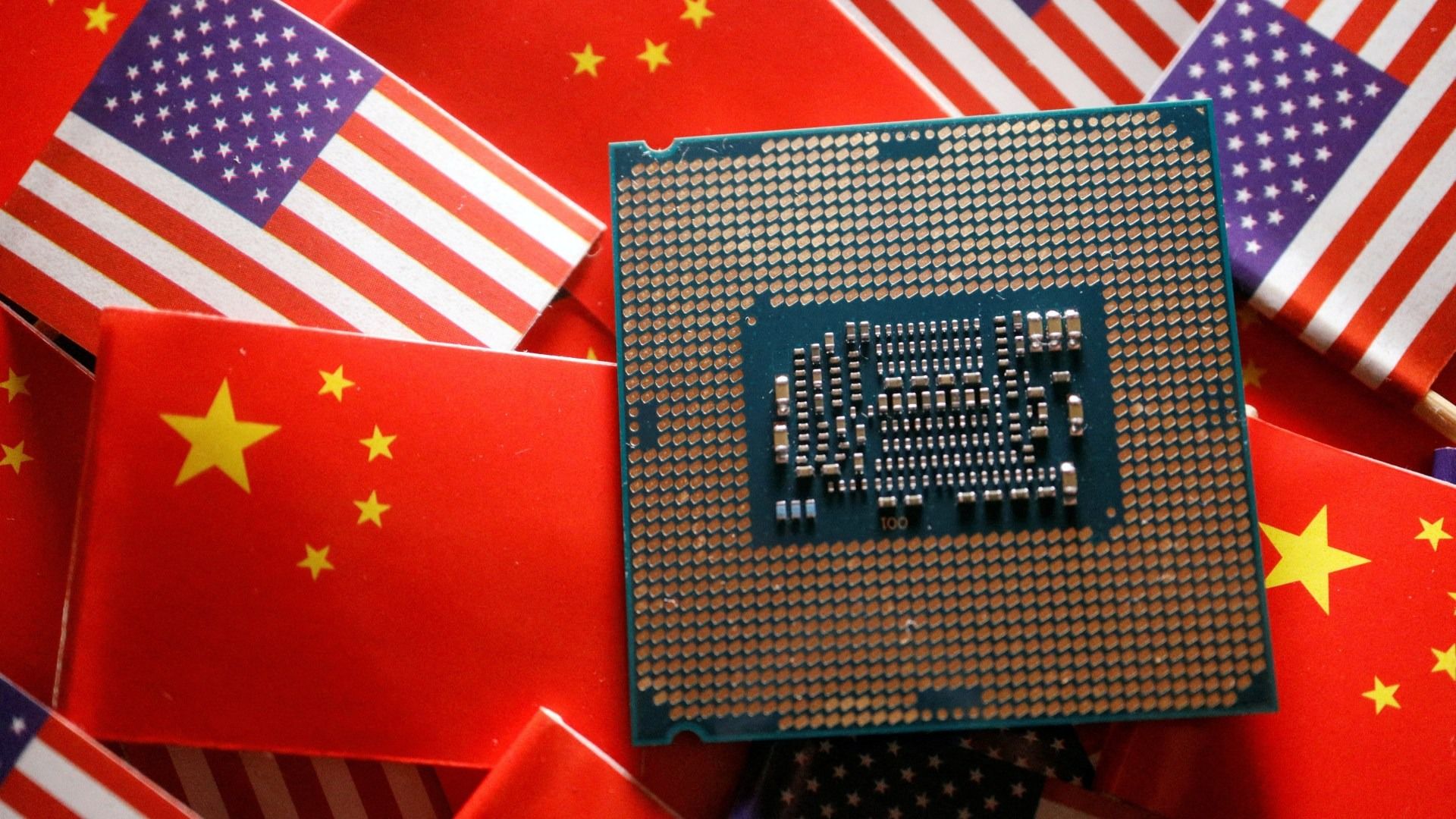
 
Amazing. There's a criminal investigation by the DOJ, yet no one gets arrested or convicted. The penalty for willfully exporting controlled technology without a license is punishable by up to 20 years in prison and fines up to twice the transaction value. Since the violations occurred 56 times, it looks as willful as it gets. And AMAT says it's pleased with the outcome. I bet they are. I think the entire BoD, and the CEO and CFO, should be replaced. There's no way $126M in revenue was recognized without the CFO and CEO knowing about it.
 
Amazing. There's a criminal investigation by the DOJ, yet no one gets arrested or convicted. The penalty for willfully exporting controlled technology without a license is punishable by up to 20 years in prison and fines up to twice the transaction value. Since the violations occurred 56 times, it looks as willful as it gets. And AMAT says it's pleased with the outcome. I bet they are. I think the entire BoD, and the CEO and CFO, should be replaced. There's no way $126M in revenue was recognized without the CFO and CEO knowing about it.
some under the table deal perhaps. But the US government is missing an opportunity to send a strong message about how serious they are in such protection and law
 
There's no way $126M in revenue was recognized without the CFO and CEO knowing about it.
There's an added factor needed, did the CFO and CEO know about the diversion of units to China that happened after assembly in South Korea?

If the criminal part was done there, foreign policy considerations apply, in an environment of severe and increasing hostility towards US Internet firms, which I would guess could extend to all US tech firms. Would extradition to the US be practical?
 
There's an added factor needed, did the CFO and CEO know about the diversion of units to China that happened after assembly in South Korea?

If the criminal part was done there, foreign policy considerations apply, in an environment of severe and increasing hostility towards US Internet firms, which I would guess could extend to all US tech firms. Would extradition to the US be practical?
I don't know the answers to any of your questions, but the willful diversion reflects very poorly on AMAT corporate, and the settlement just makes the DOJ look ineffective and chasing money over enforcing the law.

I think the export controls for China regarding equipment and chips are a really bad idea. All they do is encourage China to develop their own industries. Nonetheless, this settlement smells funny. The DOJ comes out of this smelling bad too. They could at least explain themselves.
 
Nonetheless, this settlement smells funny. The DOJ comes out of this smelling bad too. They could at least explain themselves.
Between non-government actors settlements civil settlements routinely include no further airing of bad laundry. Some South Korean actors surely knew about these sales being prohibited, so foreign policy is likely a factor in what you dislike about this.

Is 3% of annual income, that's material, and reputational damage enough of both a penalty, and a deterrence to both the company and the industry in general?

The government "chasing money" is distasteful at best, but if you're borrowing it at a rate of a trillion dollars every 100 days or so it can't be ignored.
 
Back
Top