
Array
(
    [content] => 
    [params] => Array
        (
            [0] => /forum/threads/umc-flags-rising-costs-talent-strain-at-singapore-fabs.24417/
        )

    [addOns] => Array
        (
            [DL6/MLTP] => 13
            [Hampel/TimeZoneDebug] => 1000070
            [SV/ChangePostDate] => 2010200
            [SemiWiki/Newsletter] => 1000010
            [SemiWiki/WPMenu] => 1000010
            [SemiWiki/XPressExtend] => 1000010
            [ThemeHouse/XLink] => 1000970
            [ThemeHouse/XPress] => 1010570
            [XF] => 2030871
            [XFI] => 1060170
        )

    [wordpress] => /var/www/html
)

UMC flags rising costs, talent strain at Singapore fabs

Daniel Nenni

Admin
Staff member
1769469165386.png


Managing its expansion and existing operations has been a key test.

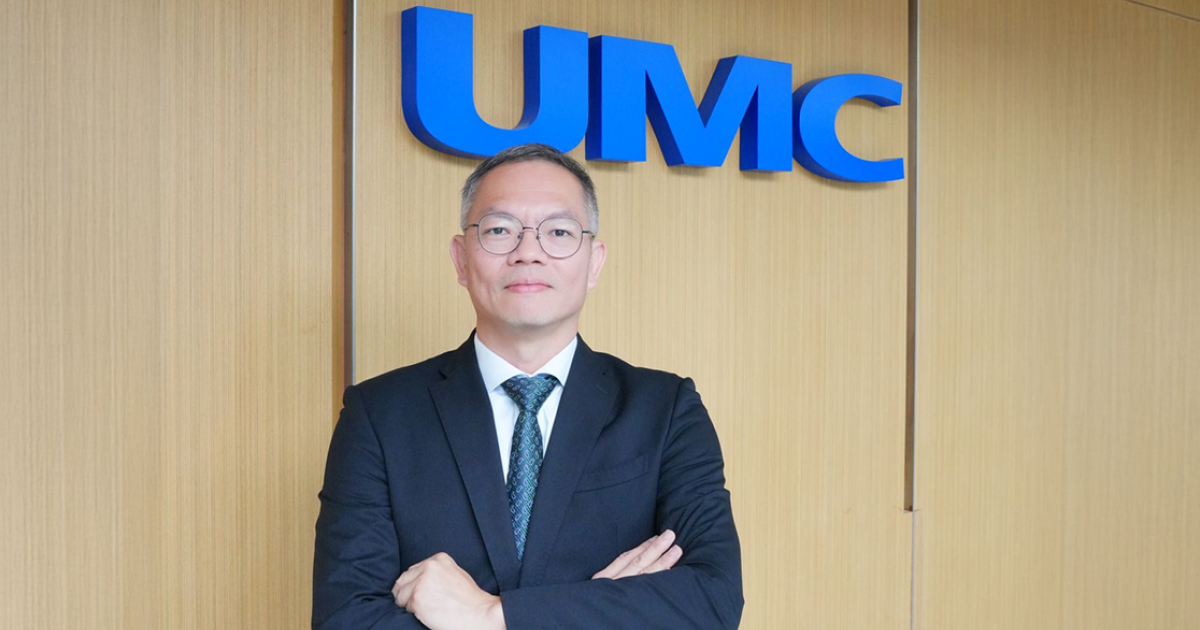
United Microelectronics Corp. (UMC) is grappling with rising costs and tighter talent requirements at its Singapore operations, even as demand for mature-node chips stays firm, underscoring the trade-offs facing manufacturers in high-cost hubs.

Operating expenses in Singapore are higher than in several regional locations, Thomas Tey, senior fab director at UMC Singapore, told Manufacturing Asia.

“Second, as technology complexity increases, there is a stronger need for precision-trained engineers and specialised manufacturing skills,’ he said in an emailed reply to questions.

Those pressures are shaping investment and execution decisions despite the city-state’s reputation as a stable and trusted semiconductor base.

Singapore’s semiconductor sector accounts for about 7% of gross domestic product and plays a strategic role in regional supply-chain resilience, Tey said.

The country’s policy stability, infrastructure, and skilled workforce continue to support advanced manufacturing, though structural challenges have become more pronounced.

UMC last year announced a $6.4b expansion of its Singapore wafer fabrication plant, targeting 22-nanometre and 28-nanometre chips.

Volume production of 22-nanometre wafers is scheduled to begin in 2026.

Transitioning to the smaller process node requires tighter process integration, higher automation, and stricter yield control, supported by capability-building across engineering teams, Tey said.

Managing the expansion alongside existing operations has been a key test. Infrastructure construction, equipment installation, and hiring were phased to limit disruption, with earlier supplier engagement and expanded project governance used to maintain output and quality.

To address cost and talent pressures, UMC has stepped up automation, yield optimisation and workforce development.

Training has been expanded through in-house programmes and partnerships with universities and polytechnics to better align skills with manufacturing needs.

Beyond capacity, UMC is also expanding research and development work in areas such as silicon photonics, flat optics, and advanced packaging, whilst rolling out sustainability measures focused on energy efficiency and water use.

These efforts position Singapore as a long-term growth driver for UMC, Tey said, though rising complexity means execution discipline would remain critical.
 
Last edited:
View attachment 4105

Managing its expansion and existing operations has been a key test.

United Microelectronics Corp. (UMC) is grappling with rising costs and tighter talent requirements at its Singapore operations, even as demand for mature-node chips stays firm, underscoring the trade-offs facing manufacturers in high-cost hubs.

Operating expenses in Singapore are higher than in several regional locations, Thomas Tey, senior fab director at UMC Singapore, told Manufacturing Asia.

“Second, as technology complexity increases, there is a stronger need for precision-trained engineers and specialised manufacturing skills,’ he said in an emailed reply to questions.

Those pressures are shaping investment and execution decisions despite the city-state’s reputation as a stable and trusted semiconductor base.

Join Manufacturing Asia community


Singapore’s semiconductor sector accounts for about 7% of gross domestic product and plays a strategic role in regional supply-chain resilience, Tey said.

The country’s policy stability, infrastructure, and skilled workforce continue to support advanced manufacturing, though structural challenges have become more pronounced.

UMC last year announced a $6.4b expansion of its Singapore wafer fabrication plant, targeting 22-nanometre and 28-nanometre chips.

Volume production of 22-nanometre wafers is scheduled to begin in 2026.

Transitioning to the smaller process node requires tighter process integration, higher automation, and stricter yield control, supported by capability-building across engineering teams, Tey said.

Managing the expansion alongside existing operations has been a key test. Infrastructure construction, equipment installation, and hiring were phased to limit disruption, with earlier supplier engagement and expanded project governance used to maintain output and quality.

To address cost and talent pressures, UMC has stepped up automation, yield optimisation and workforce development.

Training has been expanded through in-house programmes and partnerships with universities and polytechnics to better align skills with manufacturing needs.

Beyond capacity, UMC is also expanding research and development work in areas such as silicon photonics, flat optics, and advanced packaging, whilst rolling out sustainability measures focused on energy efficiency and water use.

These efforts position Singapore as a long-term growth driver for UMC, Tey said, though rising complexity means execution discipline would remain critical.


The economic realities of operating in high cost location.

The rules in Singapore have changed a lot since UMC first arrived am surprised they seem to be surprised by this.

Gone are the days they could bring in experienced folk on 5k or 6k per month. The Govt is now expecting those people to be earning 10k-+12k per month in order to get a work permit.

Used to be 3 or 4 Singaporean/PR employed can get to hire 1 foreigner on a lower wage , now that number is 7 and climbing every other year.

The Govt has been under a lot of pressure every election for the past 20 years , and local employment and opportunities is the biggest problem they have.

UMC should not be surprised by any of it.
 
Back
Top