Array
(
    [content] => 
    [params] => Array
        (
            [0] => /forum/threads/tsmc-sued-for-race-and-citizenship-discrimination-at-its-arizona-facilities.21481/page-3
        )

    [addOns] => Array
        (
            [DL6/MLTP] => 13
            [Hampel/TimeZoneDebug] => 1000070
            [SV/ChangePostDate] => 2010200
            [SemiWiki/Newsletter] => 1000010
            [SemiWiki/WPMenu] => 1000010
            [SemiWiki/XPressExtend] => 1000010
            [ThemeHouse/XLink] => 1000970
            [ThemeHouse/XPress] => 1010570
            [XF] => 2031070
            [XFI] => 1060170
        )

    [wordpress] => /var/www/html
)

TSMC sued for race and citizenship discrimination at its Arizona facilities

I understood that Intel's and layoff handling was quite good and the severance terms were actually pretty generous and likely well above the average for US companies (and certainly nothing like some of the awful stuff I've heard about IBM). Happy to be corrected if I'm wrong there. But that might actually qualify Intel as a "good workplace" given that most tech companies do go through layoff phases. Credit where it's due here.

In general I'm not against layoffs. This is one of the essential mechanisms of the free market.

However Bob Swan was fired and Pat Gelsinger was hired as the CEO of Intel because Intel was on a dangerous trajectory. Then under Pat Gelsinger's leadership, Intel employee headcount increased from 110,600 (2020) to 130,700 (March 2024). This a whopping 20,000 net increase! While Pat Gelsinger keeps pointing out that Intel's cost is too high, his actions actually told us the other way. Did Intel senior leadership team and Pat Gelsinger make Intel a better place to work? Do they really know what they are doing?

We normally don't use the divorce package to judge the quality of a failed marriage. Can we use the layoff package to judge Intel workplace's quality and effectiveness?
 
Last edited:
TSMC way is really their way or the highway.

Pretty clear in how the evaluate employees work, commitment or future value to the company.

There are a likely a few non Taiwanese that find this works for them but given the fact their salary in the US isn’t the same premium above similar work many locals can find they will for the most part see much higher attrition. Manufacturing chips is hard, unforgiving, precision beyond belief, and tedious and high pressure. It’s no wonder few can be successful at it and none in the west.

How they measured commitment and good work was / is foreign and is it successful yes, is it the only way not necessarily but it’s the TSMC.

If you probe deeper even among the Taiwanese few love the environment but if you look at their compensation versus the alternatives nothing come close. Yeah you can be proud of the company and what your team and family accomplish but I feel sad for all the engineers families and spouses. Yeah they are money rich and vacation rich but the classical American dreams of dinners with your family, participate little league or soccer games or boss accepting you WFH after a doctors appt or because a plumber is coming are all strikes against against you or must give up.

Probe deeper and and it’s like for 10% pay difference is that worth the sacrifice for money and reward? For the Taiwanese it’s like 30% plus pay so for those willing to work in an army get paid and win at the cost of everything else a good trade off? Maybe they all send their kids to great overseas colleges and almost none every want their child to work at TSMC says it all about what it is like.

BTW it is absolutes true things said in the office and practices and verbal as wells as behavior can and should be considered discrimination and harassment and public verbal humiliation and none is stoppped
In some ways that's also like Amazon... most people who work there don't like it, but the pay is very good... at least 30% above market for most roles (and not even talking about the $300k+ roles for software engineers). So when Amazon tells everyone something like full RTO or leave, most people will suck it up and go full RTO.

People care a lot about the size of their paycheck... companies have learned if you pay someone 20-30% above market, you can treat them 100% worse, since most people will not want to take a 30% paycut under just about any circumstances.
 
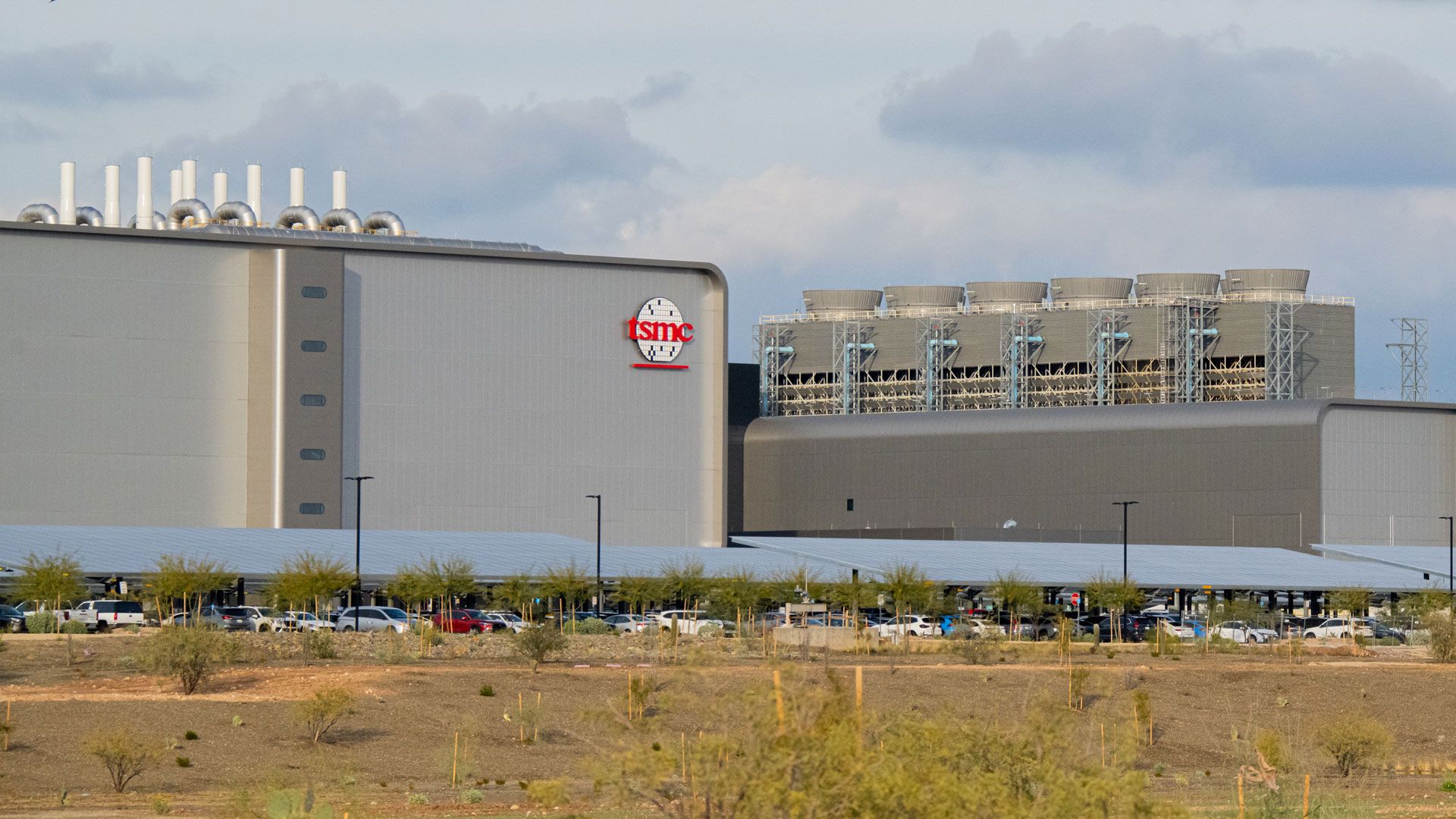
View attachment 2465

TSMC is being sued by current and former employees, including a talent acquisition director, over alleged employment discrimination. The employees claim that TSMC, the world's largest chipmaker, has favored employees who are Taiwanese citizens and forced out American workers. Forbes first reported on the suit.

The suit was first filed by Deborah Howington, a talent acquisition director, back in August. Howington claims she saw the HR department create a workplace in "which non-Asian employees and non-Taiwanesecitizens are subjected to a stricter level of scrutiny than similarly situated Asian employees (including Taiwanese citizens)." Since then, a dozen former TSMC staffers have also joined the suit.

TSMC is set to get $11.6 billion from the United States through the CHIPS and Science Act, with $6.6 billion in cash and $5 billion in loans. TSMC is using the funds to build a series of fabs at its plant in Arizona.

"Having accepted $6 billion in U.S. federal funding and elected to compete within the U.S., it’s imperative that TSMC comply with federal discrimination laws and treat all races, national origins, and citizens equally,” the plaintiff's attorney, Daniel Kotchen of Kotchen & Low told Forbes. “We’re confident in our case and look forward to presenting the case to a jury."

TSMC declined to comment on the litigation to Tom's Hardware, but added: "TSMC believes strongly in the value of a diverse workforce and we hire and promote without regard to gender, religion, race, nationality, or political affiliation because we respect differences, and believe that equal employment opportunities strengthen our competitiveness. We also provide various channels for employees to raise concerns, and strive to address concerns constructively."

Among the allegations in the complaint are that TSMC's HR team in Taiwan sends the U.S. arm of the company the resumes of candidates that have already been vetted and can work in the U.S., and then the U.S. team "simply hire these Asian/Taiwanese candidates without question, even if no open roles have been posted in the U.S." The suit also claims that a desire for Mandarin or Chinese language skills have been listed even if they wouldn't be required for the position and that the use of Mandarin is used to exclude employees that don't speak the language and limit their career advancement.

The suit also alleges that Taiwanese employees on visas are being used to reduce the number of union positions for U.S. workers.

There have been a number of reports that TSMC has been having trouble finding its footing in the United States, with concerns over labor practices driving away American workers with "several hundred" employees being brought in from Taiwan to meet deadlines. That's on top of TSMC having trouble adjusting to U.S. work culture.

In October, TSMC's U.S. president Rick Cassidy said that its Phoenix plant achieved a 4% better yield than comparable manufacturing sites in Taiwan in early tests, which is a good sign for the fab.

Not much money from the CHIPS act has changed hands yet, as the US government looks for strict milestones for chipmakers to receive taxpayer dollars. It's unclear if lawsuits over discrimination against American workers and hostile work environments will affect that further, as well as any changes that may occur to the CHIPS Act as the Biden administration wraps up and former President Donald Trump returns to the White House in January.

It’s wild looking back at this post from 2024. Since then, labor laws have really tightened up on how these tech giants treat their workforce, especially when it comes to citizenship and fair treatment.
 
Back
Top