You are currently viewing SemiWiki as a guest which gives you limited access to the site. To view blog comments and experience other SemiWiki features you must be a registered member. Registration is fast, simple, and absolutely free so please, join our community today!
Something I'm still wrapping my head around, assuming the tariffs are invalid and they get reverted to a lower amount (eg 25% ->15%), corporates and the supply chains have already adapted their expenses and pricing to the higher tariffs. It seems unlikely they will adjust their pricing with the lower tariff, customer pays the same inflated price all the same, then who bags all that cash?
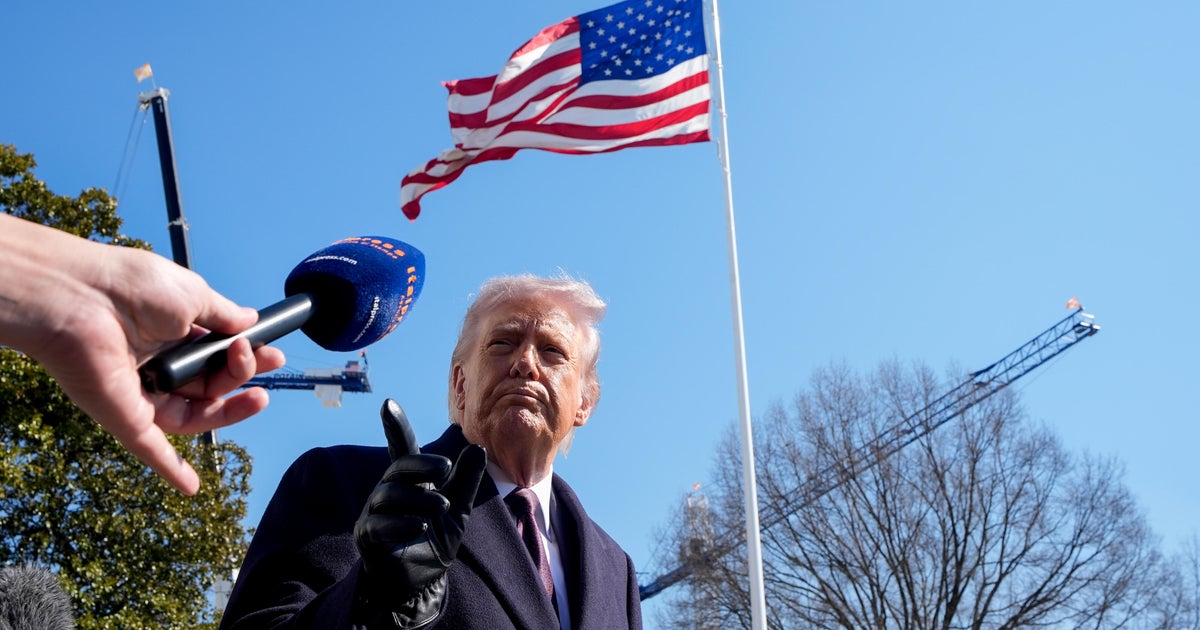
The Supreme Court blocked Trump’s broad global tariffs, saying he overstepped his authority-he needs Congress to impose them. Individual country-specific tariffs aren’t affected, and Wall Street reacted positively.
The Trump administration had said it would issue refunds if the duties targeting nearly every U.S. trading partner around the world were ultimately found unlawful by the Supreme Court. The high court ruled in a 6-3 decision that a federal emergency powers law known as the International Emergency Economic Powers Act, or IEEPA, did not give the president the authority to impose tariffs.
The government had collected more than $130 billion from the tariffs by mid-December, and could ultimately be on the hook for refunds worth $175 billion, according to calculations by the Penn Wharton Budget Model.
But the Supreme Court offered no guidance on refunds; its decision did not even mention them. Now the U.S. Court of International Trade in New York will decide how the complicated refund process should proceed.
A U.S. appeals court on Monday returned the lawsuits that led to most of President Donald Trump's tariffs being struck down to the U.S. Court of International Trade, which could determine the process for refunding more than $130 billion to importers.
The Justice Department had urged the Federal Circuit to hold off for 90 days after the Supreme Court struck down billions of dollars’ worth of tariffs. But the judges refused.