





Macronix was never supposed to be a winner of the AI era.
While Samsung and SK hynix poured resources into high-bandwidth memory, chasing explosive demand from Nvidia and hyperscalers, the Taiwanese memory maker stayed focused on a forgotten corner of the market: embedded flash for everyday devices.
Then something unexpected happened.
As the giants exited lower-end segments to free up capacity for AI, Macronix suddenly found itself alone. Customers had nowhere else to go. Prices surged. A business that once accounted for less than 2% of revenue is now becoming one of its most powerful profit engines.
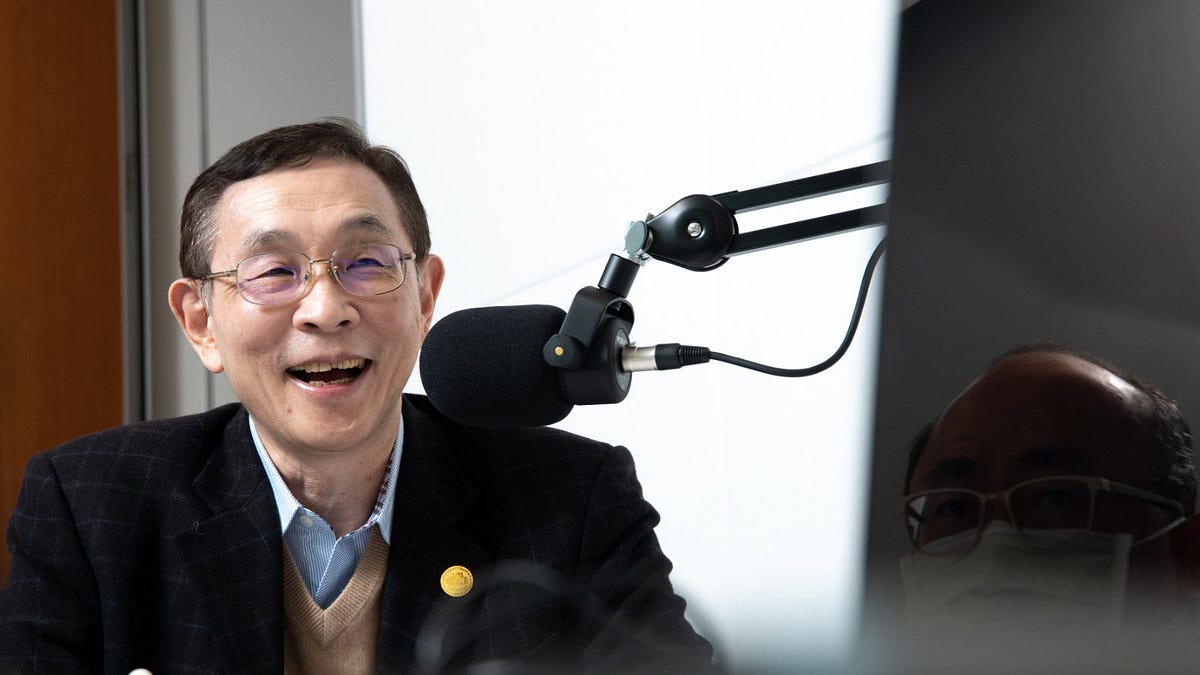
In an exclusive interview, president Chih-Yuan Lu describes a rare moment in the semiconductor industry—when being behind the technology frontier became the greatest advantage.
 cwnewsroom.substack.com
While Samsung and SK hynix poured resources into high-bandwidth memory, chasing explosive demand from Nvidia and hyperscalers, the Taiwanese memory maker stayed focused on a forgotten corner of the market: embedded flash for everyday devices.
Then something unexpected happened.
As the giants exited lower-end segments to free up capacity for AI, Macronix suddenly found itself alone. Customers had nowhere else to go. Prices surged. A business that once accounted for less than 2% of revenue is now becoming one of its most powerful profit engines.
In an exclusive interview, president Chih-Yuan Lu describes a rare moment in the semiconductor industry—when being behind the technology frontier became the greatest advantage.
Exclusive: How Macronix Became an Unlikely Winner of the Memory Supercycle—Without AI
Liang-rong Chen
cwnewsroom.substack.com