






hist78
Well-known member
Summary
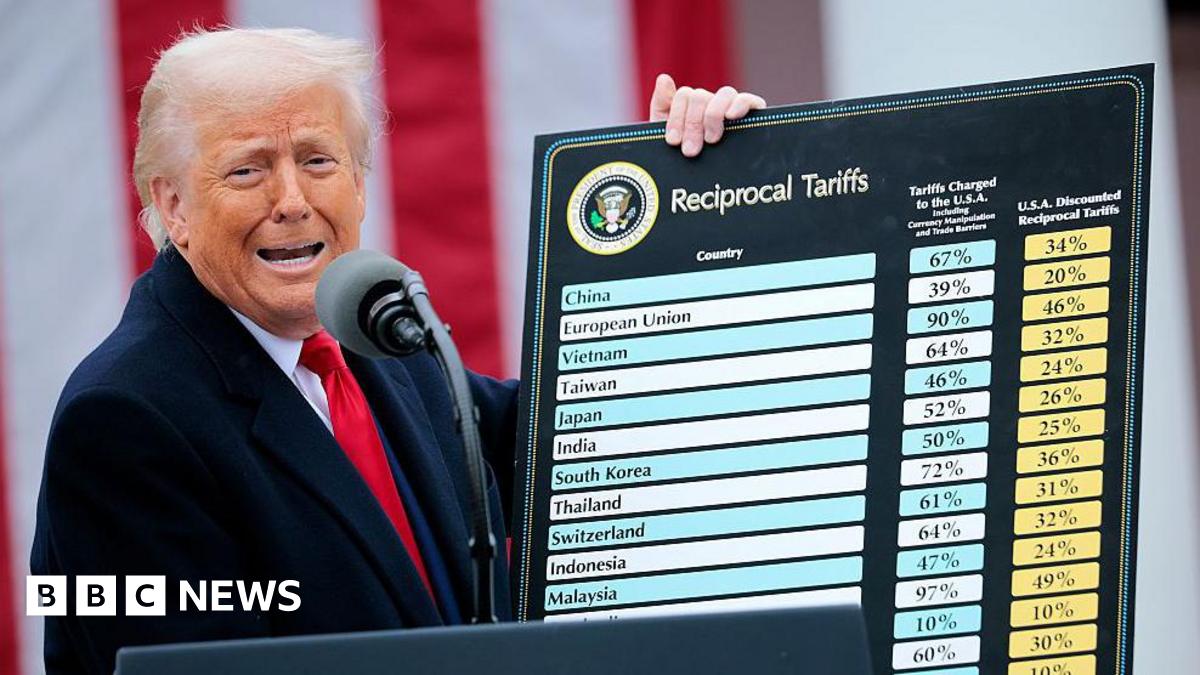
Donald Trump's sweeping global tariffs have been struck down by the US Supreme Court, in a major blow to the president's economic agenda, that he calls a "disgrace"
With a 6-3 majority, the Supreme Court rules Trump exceeded his authority when he imposed tariffs via a law reserved for national emergencies - they say he needs congressional approval to impose taxes on imports
The court's decision represents a rare check on this president's broad use of executive authority - read our North America correspondent's snap analysis
The ruling applies to his so-called "Liberation Day" tariffs, but not individual tariffs he's imposed on specific countries or products
Trump has long argued tariffs boost American manufacturing - but many in the business community, as well as Trump's political adversaries, say the costs are passed on to consumers
Wall Street responds quickly and positively to the court's ruling in early trading
What are tariffs? They're taxes on imported goods, which are usually charged as a percentage of a good's value. They're paid to the government by companies bringing in the foreign products
 www.bbc.com
Donald Trump's sweeping global tariffs have been struck down by the US Supreme Court, in a major blow to the president's economic agenda, that he calls a "disgrace"
With a 6-3 majority, the Supreme Court rules Trump exceeded his authority when he imposed tariffs via a law reserved for national emergencies - they say he needs congressional approval to impose taxes on imports
The court's decision represents a rare check on this president's broad use of executive authority - read our North America correspondent's snap analysis
The ruling applies to his so-called "Liberation Day" tariffs, but not individual tariffs he's imposed on specific countries or products
Trump has long argued tariffs boost American manufacturing - but many in the business community, as well as Trump's political adversaries, say the costs are passed on to consumers
Wall Street responds quickly and positively to the court's ruling in early trading
What are tariffs? They're taxes on imported goods, which are usually charged as a percentage of a good's value. They're paid to the government by companies bringing in the foreign products
Trump to speak after Supreme Court struck down global tariffs - follow live
The Supreme Court ruled with a 6-3 majority that Trump exceeded his authority when he imposed tariffs via a law reserved for national emergencies.
www.bbc.com


