





A single remark from Jensen Huang was enough to jolt the global storage market. During his CES keynote, the Nvidia CEO described a new AI storage architecture that could become “the largest storage market in the world,” triggering a sharp rally across memory stocks. As traders rushed to interpret the implications, a photo circulating online appeared to show a Phison flash controller inside Nvidia’s next-generation Vera Rubin server—fueling speculation that a major supply-chain shift was underway.
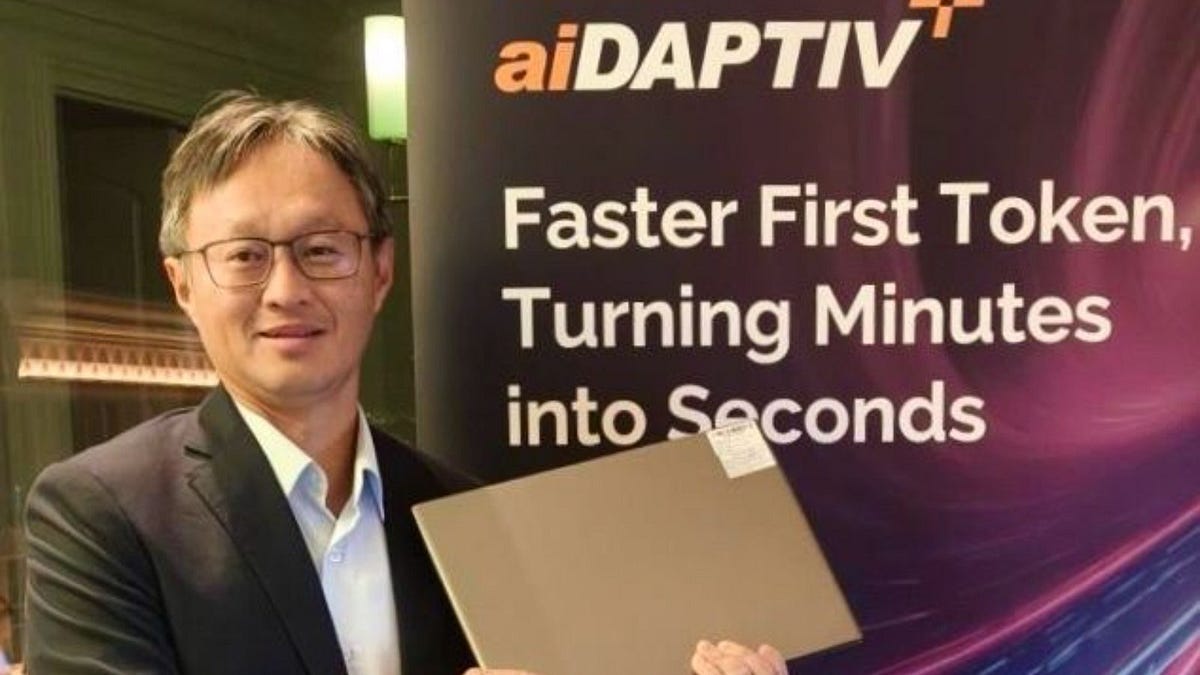
Speaking directly from CES, Phison CEO K.S. Pua offered an exclusive and more nuanced response, cutting through the market noise. This piece unpacks what Huang’s comment really means, where the true storage opportunity lies, and why flash memory is becoming unavoidable in the future of AI—even if the biggest winners are not who the market initially expects.
 cwnewsroom.substack.com
Speaking directly from CES, Phison CEO K.S. Pua offered an exclusive and more nuanced response, cutting through the market noise. This piece unpacks what Huang’s comment really means, where the true storage opportunity lies, and why flash memory is becoming unavoidable in the future of AI—even if the biggest winners are not who the market initially expects.
Exclusive: Jensen Huang’s Remark Sparks Storage Rally—Phison CEO Responds from CES
Liang-rong Chen
cwnewsroom.substack.com


