






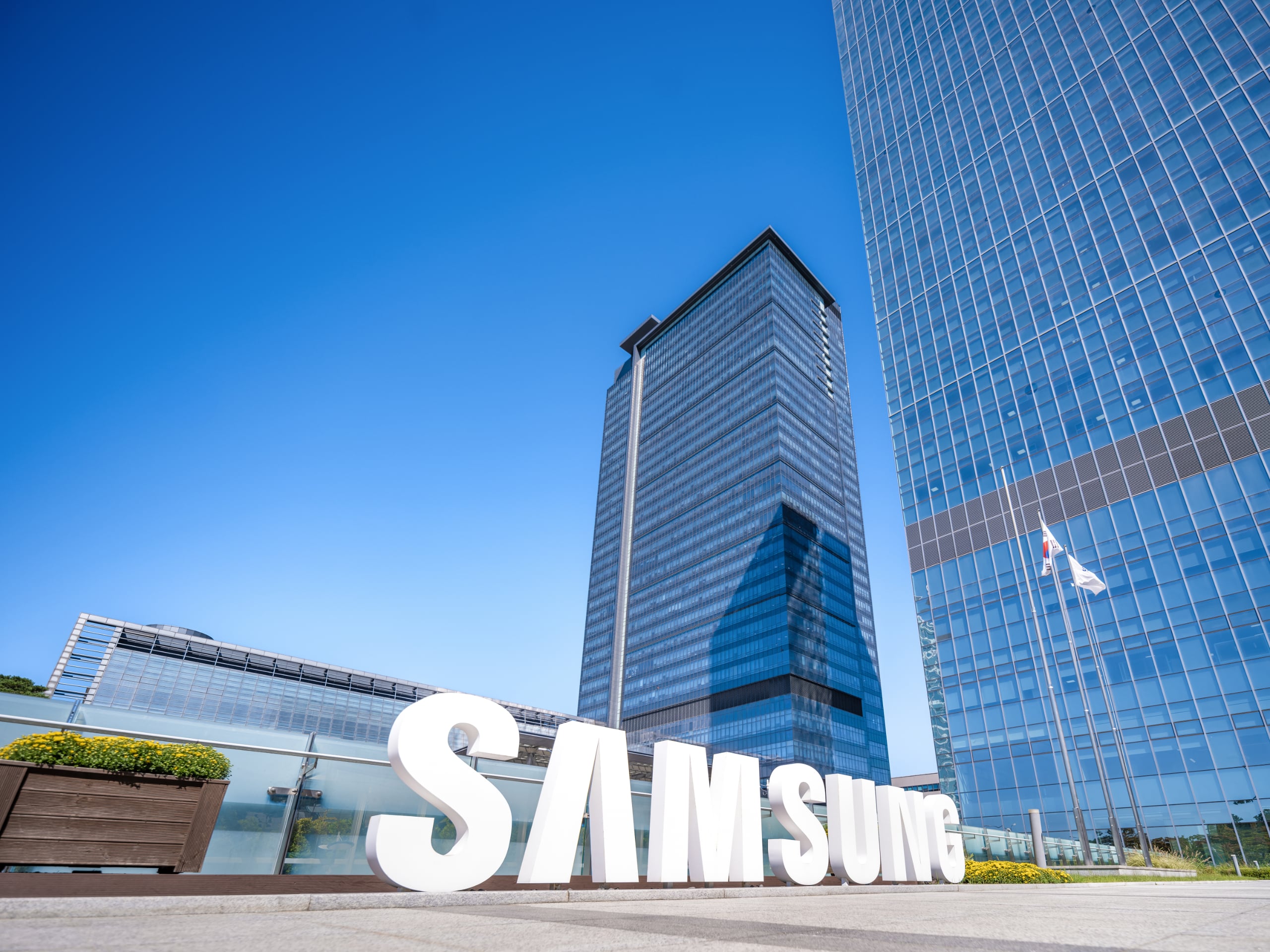
Samsung is already on a solid track to bounce back in the foundry market in the 2nm era, thanks to recent deals with major tech companies. Now there is another reason for the company to feel optimistic. Geopolitical risks and strict regulations in Taiwan may limit TSMC’s ability to expand its most advanced chip production quickly in the United States. This could give the Korean firm a chance to become the key manufacturer of cutting-edge 2nm chips in the stateside.
TSMC’s overseas limits give Samsung an advantage
According to Korean media, TSMC faces strict rules under Taiwan’s N-2 principle. The regulation instructs that technologies sent overseas must be at least two generations older than the most advanced processes in mainland Taiwan. Since 2nm is the most advanced technology, TSMC cannot make it in the US unless it becomes at least two generations older, which may take several years.However, TSMC is gearing up to begin mass production of 3nm chips in 2027 at its second plant in Arizona. While still advanced, these chips will lag behind the latest 2nm technology, creating an opportunity for Samsung to expand its business in the US. The Korean firm is reportedly planning to begin mass production of 2nm chips at its Taylor, Texas, plant next year.
Samsung has already strengthened its market presence through major partnerships. For example, earlier this year, the company signed a $16.5 billion contract with Tesla to produce the car maker’s AI6 chips at the Taylor plant. Moreover, the firm is reportedly conducting sample testing with AMD on its 2nm second-generation (SF2P) process. Likewise, Google’s Tensor Processing Unit (TPU) executives visited the plant to discuss production volumes.
For now, all eyes are on Samsung’s first 2nm mobile chipset, the Exynos 2600, based on the Gate-All-Around (GAA) transistor architecture. The chip could power the upcoming Galaxy S26 and S26+ models in select regions, and Galaxy Z Flip 8 globally.

Samsung Stands to Benefit from TSMC's 2nm Expansion Limits
Geopolitical risks and strict regulations in Taiwan may limit TSMC’s ability to expand its most advanced chip production quickly in the US.
 sammyguru.com